Với hơn 10 năm kinh nghiệm về vận chuyển khí nén, Headpowder Sơn Đông cung cấp hệ thống, thiết bị và quạt gió toàn chuỗi, đảm nhận các dự án kỹ thuật bột trọn gói trên toàn quốc.
When it comes to handling zinc calcine—a critical intermediate product in the zinc smelting process—choosing the right conveying method is essential for optimizing efficiency, reducing operational costs, and ensuring safety. The choice of conveying system depends on several factors, including the material's characteristics, the plant's layout, and the specific requirements of the downstream processes. In this article, we explore the primary zinc calcine conveying methods used in industrial settings, highlighting their advantages, applications, and practical considerations.
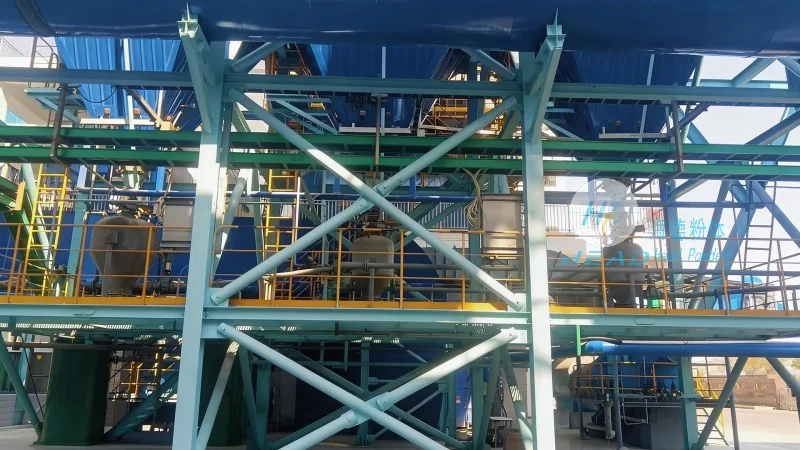
1. Belt Conveyor Systems: The Workhorse of Bulk Material Handling
Belt conveyors are among the most common and reliable methods for transporting zinc calcine. These systems consist of a continuous loop of belt that moves material from one point to another, typically using rollers or pulleys to support and drive the belt. For zinc calcine, which is often a fine to medium-grained powder or granular material, belt conveyors offer several benefits. They can handle large volumes of material with minimal maintenance and are highly adaptable to various plant layouts. The smooth operation of belt conveyors also minimizes material degradation, which is crucial for maintaining the quality of the calcine for subsequent processing steps. Companies like Shandong HeadPowder Engineering Co., Ltd., based in China, specialize in designing and manufacturing customized belt conveyor systems tailored to the unique needs of zinc smelting facilities.
2. Pneumatic Conveying: Air-Driven Transport for Fine Materials
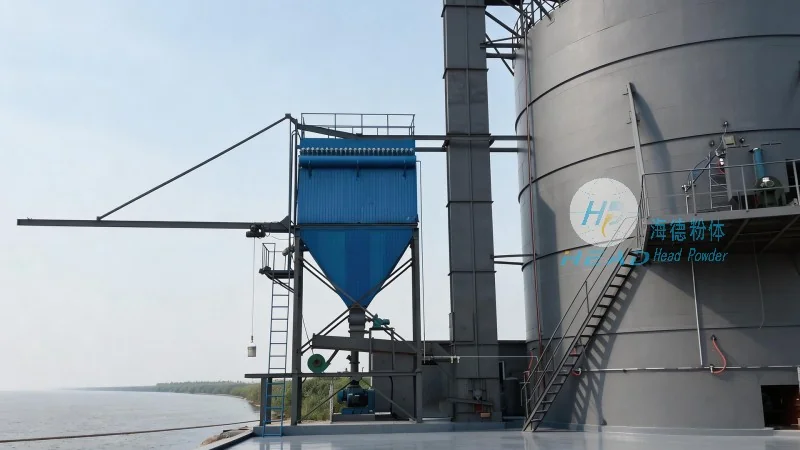
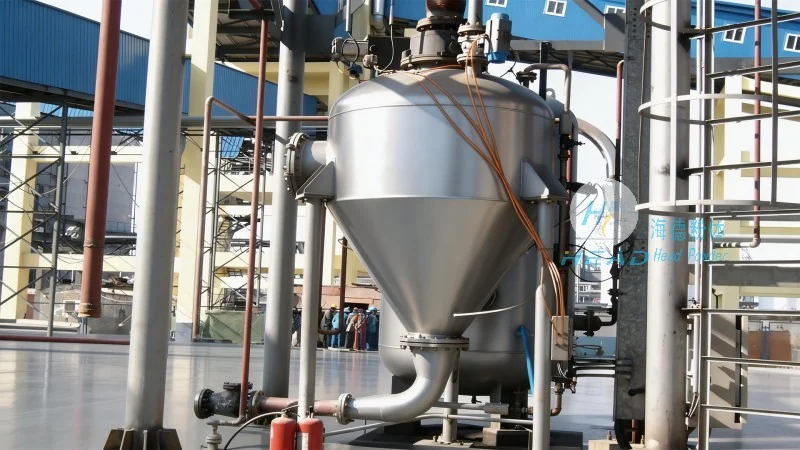
Pneumatic conveying systems use air or other gases to transport zinc calcine, making them ideal for handling fine powders that are difficult to move with traditional mechanical systems. In this method, the calcine is fed into a pipeline, where it is suspended and carried by a stream of air. There are two main types of pneumatic conveying: dilute-phase and dense-phase. Dilute-phase systems are suitable for transporting large volumes of fine material over short to medium distances, while dense-phase systems are better for moving smaller quantities of material with higher pressure and lower velocity, which reduces material degradation and improves system efficiency. Pneumatic conveyors are particularly useful when the calcine needs to be transported to locations that are difficult to access or when dust control is a priority. However, they require more energy than belt conveyors and may need additional equipment for air filtration and compression.
3. Screw Conveyors: Compact and Versatile for Small to Medium Volumes
Screw conveyors, also known as auger conveyors, are another popular option for zinc calcine transport. These systems use a rotating screw (auger) inside a trough to move material forward. Screw conveyors are particularly effective for handling bulk materials that are free-flowing or semi-free-flowing, such as granular zinc calcine. They are compact in design, making them suitable for installations with limited space, and can be easily integrated into existing processing lines. The key advantages of screw conveyors include their low maintenance requirements and ability to operate in a vertical or inclined position, which allows for vertical transport of the calcine. However, they are less efficient for very fine powders and may experience increased wear and tear due to the friction between the screw and the material. For facilities requiring precise control over material flow, screw conveyors can be equipped with variable speed drives to adjust the conveying rate.
4. Bucket Elevators: Vertical Transport for High-Volume Applications
For zinc smelting plants that require vertical transport of zinc calcine, bucket elevators are a robust and efficient solution. These systems consist of a vertical or inclined conveyor with buckets attached to a chain or belt that moves the material upward. Bucket elevators are capable of handling large volumes of material at high speeds and are particularly well-suited for vertical transport over significant heights. They are often used to move calcine from storage silos or reactors to higher levels of the plant for further processing. The main benefits of bucket elevators include their high capacity, low power consumption per tonne of material, and minimal material spillage. However, they require regular maintenance to ensure the buckets and chains remain in good condition and to prevent material buildup that could lead to system failure. Proper design and installation are critical to the long-term performance of bucket elevators, as they are subject to high stresses and mechanical loads.
5. Combination Systems: Integrating Multiple Conveying Methods
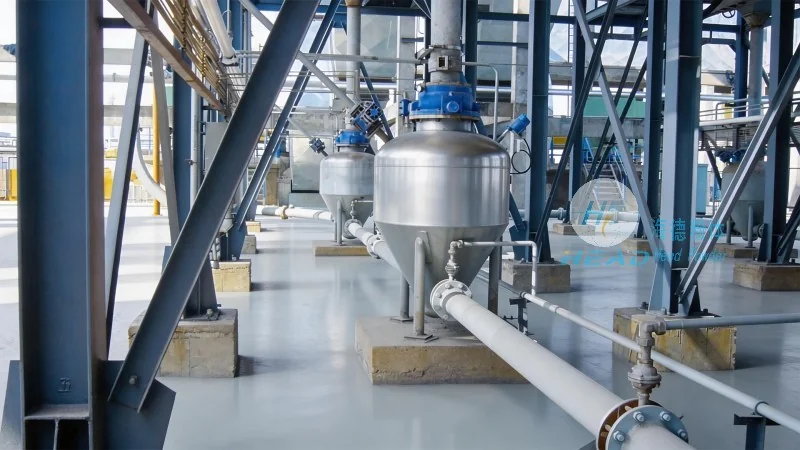
In many modern zinc smelting facilities, a combination of conveying methods is used to optimize material flow and operational efficiency. For example, a plant might use a belt conveyor to transport calcine from the reactor to a storage silo, followed by a pneumatic conveyor to move the material to a processing unit. This integrated approach allows for seamless transfer of material between different stages of the production process, reducing the need for manual handling and improving overall productivity. The choice of combination system depends on the specific layout of the plant, the distance between processing units, and the material's characteristics. Companies like Shandong HeadPowder Engineering Co., Ltd. specialize in designing and implementing integrated conveying systems that combine the strengths of different technologies to meet the unique requirements of each client. By leveraging a combination of belt, pneumatic, and screw conveyors, facilities can achieve optimal performance, minimize downtime, and ensure consistent quality of the zinc calcine.

 Shandong Headpowder Engineering Co., Ltd.
 156-6277-7102(Quản lý Trương)
  0531-83386006
  Thành phố Tế Nam, Tỉnh Sơn Đông, Trung Quốc
Điện thoại
WeChatTư vấn
Lên đầu