Với hơn 10 năm kinh nghiệm về vận chuyển khí nén, Headpowder Sơn Đông cung cấp hệ thống, thiết bị và quạt gió toàn chuỗi, đảm nhận các dự án kỹ thuật bột trọn gói trên toàn quốc.
When it comes to the transportation of calcium carbonate, there are several common methods employed by industries to ensure efficient and safe handling of this widely used material. Calcium carbonate, often used in applications such as construction, manufacturing, and chemical processes, requires reliable transportation systems to meet production demands. The methods used can vary based on the scale of operation, the nature of the material, and the destination of the product. In this article, we will explore the common methods for calcium carbonate transportation, highlighting the key aspects of each approach.
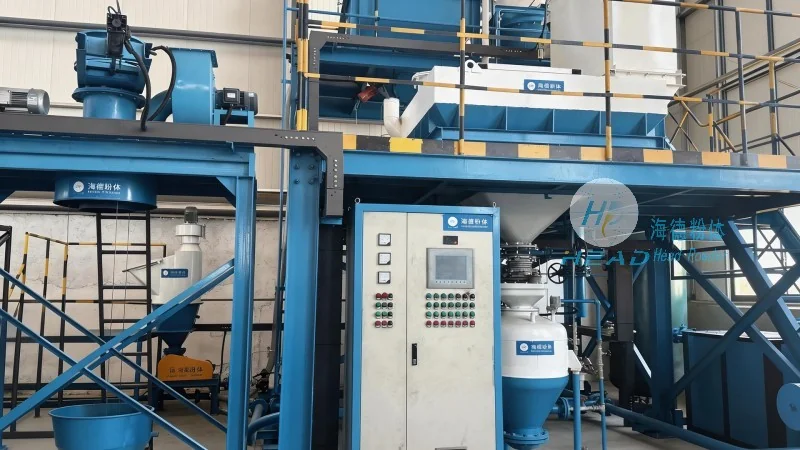
1. Bulk Handling via Belt Conveyors
Belt conveyors are one of the most common methods for transporting calcium carbonate in bulk quantities. This method is widely used in industrial settings due to its efficiency and ability to handle large volumes of material. The process involves loading calcium carbonate into a hopper, which then feeds the material onto a moving belt. The belt transports the material to the desired location, such as a storage silo or a processing plant. Belt conveyors are particularly effective for horizontal and slightly inclined transport, making them suitable for long-distance transportation within a facility or between different production stages. The system is designed to minimize material loss and ensure consistent flow, which is crucial for maintaining product quality. Companies like Shandong HeadPowder Engineering Co., Ltd. often utilize advanced belt conveyor systems to optimize calcium carbonate transportation, ensuring that the material reaches its destination without degradation or contamination.
2. Pneumatic Conveying Systems
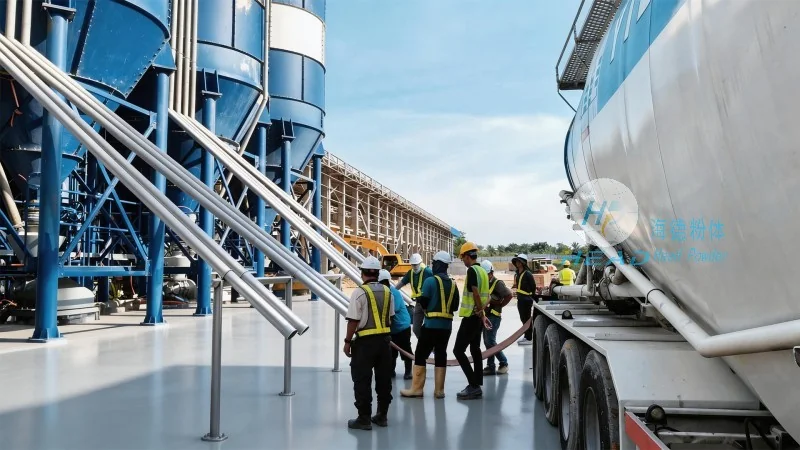
Pneumatic conveying is another popular method for calcium carbonate transportation, especially when dealing with fine powders or when a closed system is required. This method uses air pressure to move the material through a pipeline. The calcium carbonate is loaded into a hopper, and then air is introduced to create a flow that carries the material through the system. Pneumatic conveying can be either positive or negative pressure, depending on the application. Positive pressure systems push the material forward, while negative pressure systems draw it through the pipeline. This method is advantageous for transporting calcium carbonate over longer distances and for applications that require a dust-free environment. It is commonly used in industries where product purity is critical, such as in pharmaceutical or food processing. The system is designed to maintain the integrity of the calcium carbonate particles, preventing agglomeration or degradation during transport. Shandong HeadPowder Engineering Co., Ltd. may employ pneumatic conveying systems for specific applications where bulk handling via belt conveyors is not feasible.
3. Truck and Rail Transportation
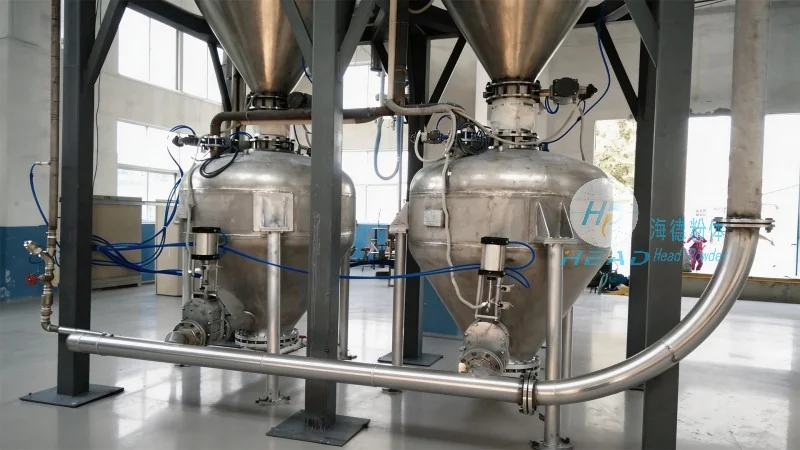
For the transportation of calcium carbonate over longer distances, truck and rail transportation are common methods. Trucks are used for shorter to medium distances, while rail is more suitable for bulk shipments over longer distances. This method involves loading calcium carbonate into bulk containers or hopper cars. The containers are then transported to the destination, where they are unloaded and processed. Truck and rail transportation is often used when the material needs to be delivered to a different region or country. The process involves careful loading to prevent spillage and ensure the material remains contained. Companies like HeadPowder, the short name for Shandong HeadPowder Engineering Co., Ltd., may use these methods to supply calcium carbonate to various clients across China and beyond. The choice between truck and rail depends on factors such as distance, volume, and cost. Rail transportation is generally more cost-effective for large volumes over long distances, while trucks offer more flexibility for shorter routes and smaller quantities.
4. Containerized Shipping
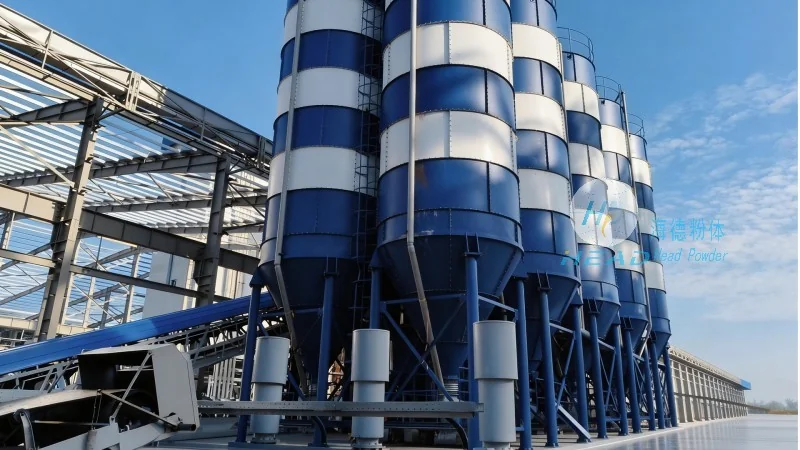
Containerized shipping is another method used for the transportation of calcium carbonate, especially for international or cross-regional deliveries. This method involves loading calcium carbonate into standard shipping containers. The containers are then transported via trucks, trains, or ships to the destination. Containerized shipping offers several advantages, including protection from weather and moisture, as well as the ability to transport multiple products in a single container. This method is particularly useful when transporting calcium carbonate to different countries or regions. The containers are designed to maintain the quality of the material during transit, ensuring that it arrives in the same condition as when it was loaded. Shandong HeadPowder Engineering Co., Ltd. may use containerized shipping to meet the global demand for calcium carbonate, providing clients with reliable and secure transportation options. The process involves proper loading and securing of the containers to prevent damage or loss during transport.
5. Bulk Tanker Trucks
Bulk tanker trucks are used for the transportation of liquid or slurry forms of calcium carbonate. This method is less common compared to bulk handling via belt conveyors or pneumatic systems but is still used in certain applications. The calcium carbonate is mixed with water or other liquids to form a slurry, which is then transported in bulk tanker trucks. The trucks are equipped with pumps and valves to control the flow of the material. This method is suitable for transporting calcium carbonate to locations where it needs to be used immediately, such as in construction sites or manufacturing plants. The process involves careful monitoring to ensure the slurry remains stable during transport and does not separate or settle. Companies like HeadPowder may use bulk tanker trucks for specific applications where the material is in a liquid or slurry form, providing a flexible and efficient transportation solution.

 Shandong Headpowder Engineering Co., Ltd.
 156-6277-7102(Quản lý Trương)
  0531-83386006
  Thành phố Tế Nam, Tỉnh Sơn Đông, Trung Quốc
Điện thoại
WeChatTư vấn
Lên đầu