Với hơn 10 năm kinh nghiệm về vận chuyển khí nén, Headpowder Sơn Đông cung cấp hệ thống, thiết bị và quạt gió toàn chuỗi, đảm nhận các dự án kỹ thuật bột trọn gói trên toàn quốc.
Lithium-ion battery positive electrode materials are the core components that determine the performance and safety of lithium-ion batteries. The handling and transportation of these materials directly affect the quality of the final battery products. Proper material handling methods are crucial for maintaining material purity, preventing contamination, and ensuring consistent performance. This article provides a detailed comparison of common handling methods for lithium-ion battery positive electrode materials, helping manufacturers choose the most suitable approach based on their production needs.
1. Air-Driven Pneumatic Conveying Systems
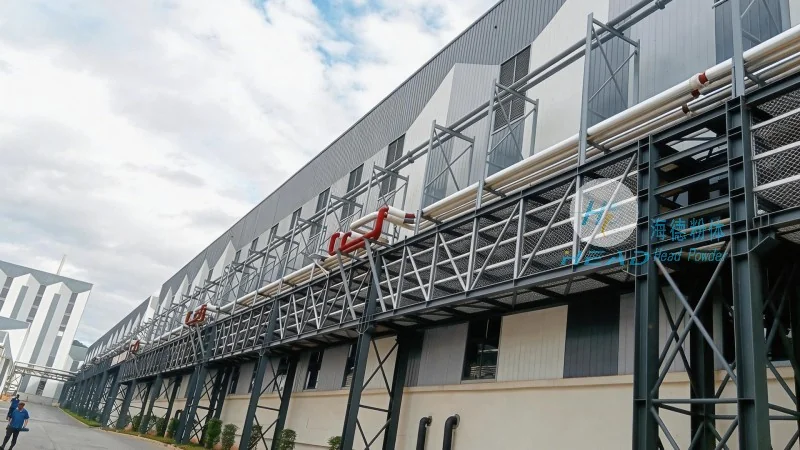
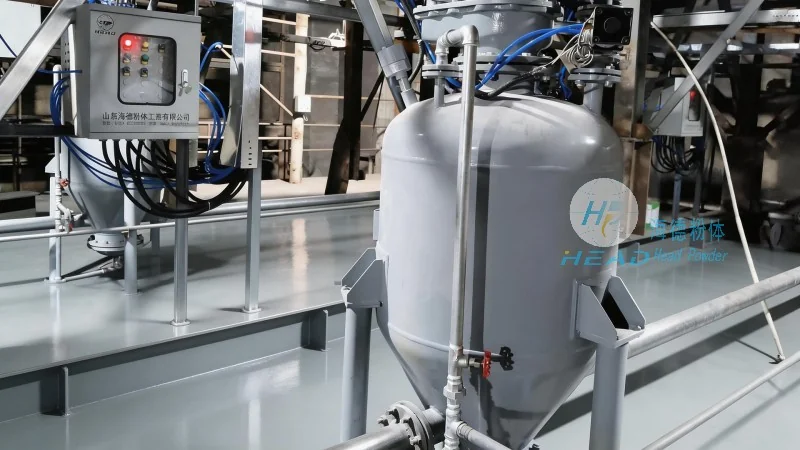
Pneumatic conveying is a widely used method for transporting fine powders like lithium battery positive electrode materials. This system uses compressed air to move materials through a pipeline. There are two main types: pressure and vacuum systems. Pressure systems push material from a central source to multiple destinations, while vacuum systems draw material from multiple sources to a central collection point. The advantages of pneumatic conveying include high efficiency, ability to handle fine powders without clogging, and minimal material degradation. However, it requires a stable air supply and can be affected by material moisture content. HeadPowder, a leading provider of material handling solutions, offers advanced pneumatic conveying equipment that ensures precise control of air flow and pressure, minimizing material loss and maintaining material quality during transport. Their systems are designed to meet the strict purity requirements of lithium battery production.
2. Mechanical Conveying Methods
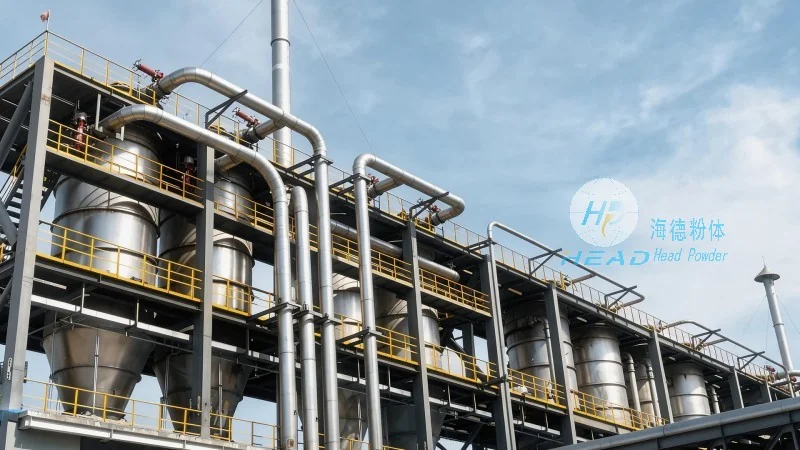
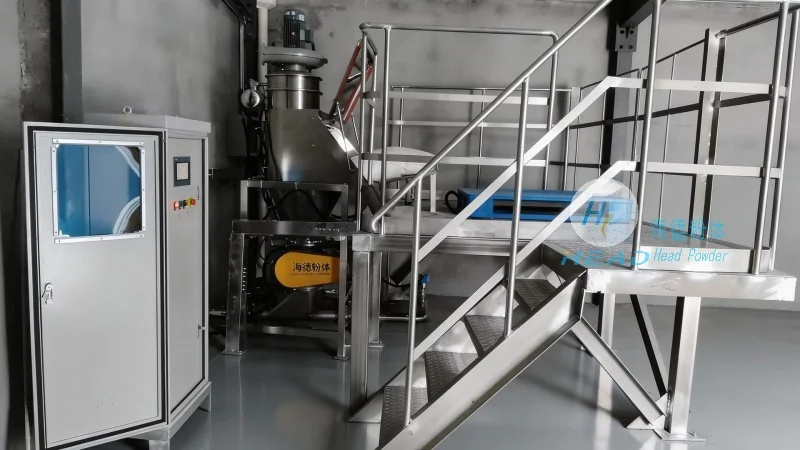
Mechanical conveying relies on mechanical components such as screws, belts, and buckets to move materials. Screw conveyors are commonly used for horizontal or slight incline transport, while bucket elevators are suitable for vertical lifting. Mechanical systems are generally more cost-effective and can handle larger particle sizes compared to pneumatic systems. However, they may cause more material friction and wear, potentially leading to contamination or particle degradation. HeadPowder provides customized mechanical conveyor solutions tailored to specific production lines, ensuring smooth material flow and reducing downtime. Their engineering team designs systems that integrate seamlessly with existing production processes.
3. Hybrid Conveying Systems
Hybrid systems combine pneumatic and mechanical methods to leverage the strengths of both. For example, a system might use pneumatic transport for the initial stage and mechanical conveyors for the final stage. This approach is particularly useful for long-distance or complex material routes. The hybrid system can improve overall efficiency while maintaining material integrity. HeadPowder’s hybrid solutions are designed to optimize material handling in large-scale battery production facilities, balancing speed and material quality. These systems are adaptable to varying production volumes and can be scaled as manufacturing needs grow.
4. Factors Influencing the Choice of Handling Method
The selection of a material handling method depends on several key factors. First, the material properties: fine powders with low bulk density are better suited for pneumatic systems, while coarser materials may benefit from mechanical conveyors. Second, the production scale: large-scale manufacturers often require high-capacity systems, which may favor pneumatic or hybrid solutions. Third, the need for contamination control: industries with strict purity requirements, such as lithium battery production, may prefer enclosed systems to prevent dust exposure. HeadPowder’s engineering team conducts thorough assessments of each client’s production environment and material characteristics to recommend the most effective handling solution. They work closely with clients to understand operational constraints and material specifications before proposing customized solutions.
Conclusion
Choosing the right handling method for lithium-ion battery positive electrode materials is critical to ensuring battery performance and safety. Air-driven pneumatic conveying, mechanical conveying, and hybrid systems each offer unique advantages and are suitable for different scenarios. By understanding the material properties, production scale, and contamination control needs, manufacturers can select the most appropriate method. HeadPowder, with its expertise in material handling technology, provides tailored solutions that enhance efficiency and maintain material quality, supporting the growth of the lithium battery industry. Based in Shandong, China, HeadPowder Engineering Co., Ltd. has established itself as a trusted partner in optimizing material handling for lithium battery manufacturers worldwide.

 Shandong Headpowder Engineering Co., Ltd.
 156-6277-7102(Quản lý Trương)
  0531-83386006
  Thành phố Tế Nam, Tỉnh Sơn Đông, Trung Quốc
Điện thoại
WeChatTư vấn
Lên đầu