Với hơn 10 năm kinh nghiệm về vận chuyển khí nén, Headpowder Sơn Đông cung cấp hệ thống, thiết bị và quạt gió toàn chuỗi, đảm nhận các dự án kỹ thuật bột trọn gói trên toàn quốc.
When it comes to handling soybeans in industrial and agricultural settings, selecting the right conveying method is crucial for efficiency, cost-effectiveness, and product integrity. Various technologies are available, each with distinct advantages and disadvantages. This article provides a detailed comparison of common soybean conveying methods, helping you make an informed decision for your operations.
Gravity Conveying Systems
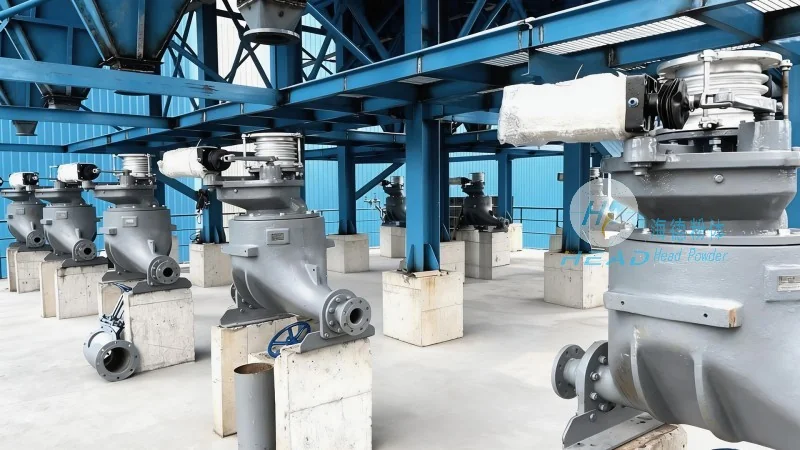
Gravity conveying systems utilize the natural force of gravity to move soybeans from one point to another. These systems typically consist of sloped chutes or channels that allow the beans to flow downward under their own weight. A key advantage of gravity conveyors is their low energy consumption, as they do not require external power sources. This makes them an economical choice for short-distance transfers where the elevation difference is sufficient. Additionally, gravity conveyors are simple in design, requiring minimal maintenance and offering a straightforward installation process. They are particularly effective for moving soybeans from storage bins or silos to processing equipment, such as hullers or presses.
However, gravity conveyors have significant limitations. They are highly dependent on the slope of the chute and the angle of repose of the soybeans. If the slope is too shallow, the beans may not move efficiently, leading to bottlenecks or even clogging. This makes them unsuitable for long-distance or horizontal transport. Moreover, gravity systems cannot handle sticky or wet soybeans, as these conditions can cause the beans to stick to the chute walls, reducing throughput and increasing maintenance needs. For these reasons, gravity conveyors are best suited for short, vertical or near-vertical transfers in well-organized facilities.
Screw Conveyors (Auger Conveyors)
Screw conveyors, also known as auger conveyors, are mechanical devices that use a rotating screw to move soybeans along a tube or trough. This method is widely used in the agricultural and food processing industries due to its versatility and reliability. One of the primary advantages of screw conveyors is their ability to handle a wide range of materials, including dry, wet, or sticky soybeans. They can operate in both horizontal and inclined positions, making them suitable for various layouts. Screw conveyors also provide a continuous, controlled flow, which helps maintain product quality by reducing breakage and damage. They are relatively compact and can be installed in tight spaces, making them ideal for facilities with limited floor space.
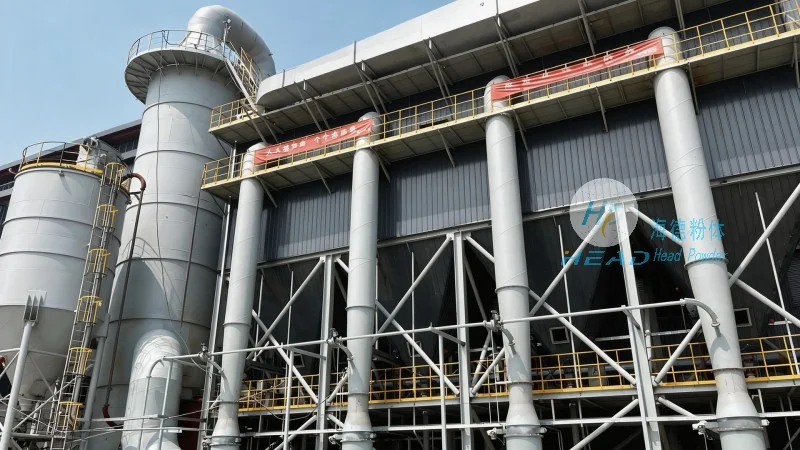
Despite these benefits, screw conveyors have notable drawbacks. They require a constant power supply, which increases operational costs compared to gravity systems. The rotating screw can cause friction and heat generation, potentially damaging heat-sensitive soybeans or causing moisture loss. Additionally, screw conveyors may not be suitable for very large or irregularly shaped beans, as the screw may not effectively transport them without causing blockages. Maintenance is another consideration, as the screw and trough components are subject to wear and tear, requiring regular inspection and replacement of parts. This can increase long-term maintenance costs and downtime.
Air Conveying Systems (Pneumatic Conveyors)
Air conveying systems, or pneumatic conveyors, use compressed air to transport soybeans through a pipeline. This method is particularly effective for long-distance or vertical transport, as it can move materials over significant distances with minimal loss of speed. One of the main advantages of air conveyors is their ability to handle both dry and wet soybeans, as well as materials with high moisture content. They are also suitable for transporting soybeans in a closed system, which helps maintain hygiene and prevent contamination from external elements. Air conveyors can operate in both positive and negative pressure modes, providing flexibility in system design. They are ideal for applications where dust control is critical, as the system can be sealed to prevent dust emissions.
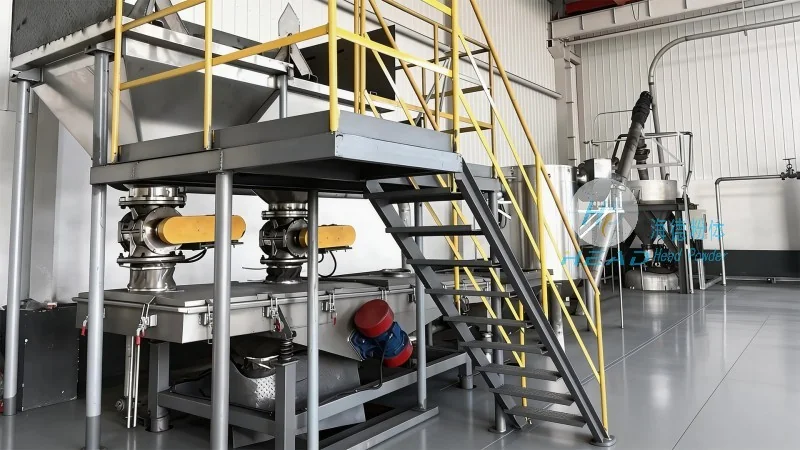
However, air conveying systems have significant disadvantages that must be considered. They require a substantial amount of energy to operate, as compressing air and maintaining pressure consumes considerable power. This makes them more expensive to run compared to other methods. Additionally, air conveyors can be prone to clogging if the soybeans are too large or have high moisture content, as the particles may not flow freely through the pipeline. The system also requires regular cleaning to prevent buildup of material in the pipes, which can reduce efficiency and increase maintenance costs. Furthermore, air conveyors may not be suitable for very fine or powdery soybean products, as the particles can be carried away by the air stream, leading to loss of product and increased energy consumption.
Bucket Elevators
Bucket elevators are vertical conveying systems that use a series of buckets attached to a chain or belt to lift soybeans from a lower to a higher level. This method is commonly used in grain and soybean processing facilities for vertical transport, such as moving beans from a storage silo to a processing line. A key advantage of bucket elevators is their high capacity and ability to handle large volumes of soybeans efficiently. They can operate continuously without interruption, ensuring a steady flow of material. Bucket elevators are also relatively simple to maintain, as the buckets and chain are easy to inspect and replace. They are suitable for both dry and wet soybeans, and can handle materials with varying sizes and shapes.
Despite their efficiency, bucket elevators have several drawbacks. They require a significant amount of space, as the vertical structure takes up vertical floor space, which may be a limitation in facilities with limited height. The system is also more complex than gravity or screw conveyors, requiring more components such as buckets, chains, and drive mechanisms. This complexity increases the risk of mechanical failure and the need for regular maintenance. Additionally, bucket elevators can cause product damage due to the impact of buckets on the beans, especially if the speed is too high or the buckets are not properly aligned. This can lead to increased breakage and loss of product quality. Finally, bucket elevators are not suitable for horizontal transport, as they are designed specifically for vertical movement.
HeadPowder Engineering: Your Partner in Soybean Conveying Solutions
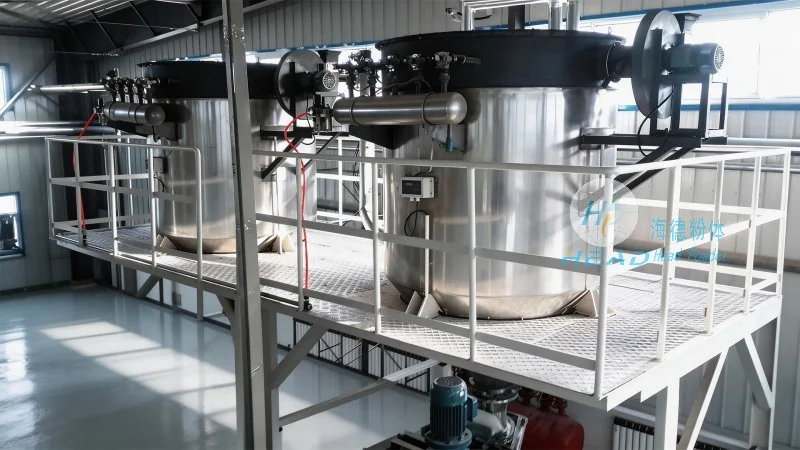
At Shandong HeadPowder Engineering Co., Ltd., we understand the importance of selecting the right soybean conveying system for your operations. With years of experience in the engineering and manufacturing of conveying equipment, we offer a range of solutions tailored to meet the specific needs of our clients. Our team of experts works closely with you to assess your facility requirements, process parameters, and budget constraints to recommend the most suitable conveying method. Whether you need a gravity system for short-distance transfers, a screw conveyor for horizontal transport, or an air conveyor for long-distance transport, we provide high-quality, reliable equipment that ensures efficient and cost-effective soybean handling.
Our products are designed with durability and efficiency in mind, using advanced materials and manufacturing techniques to ensure long service life and minimal maintenance. We also offer customization options to accommodate unique facility layouts and operational conditions. By choosing HeadPowder, you can be confident that your soybean conveying system will meet the highest standards of performance and reliability. Our commitment to quality and customer satisfaction has made us a trusted partner in the industry, serving clients in China and beyond.

 Shandong Headpowder Engineering Co., Ltd.
 156-6277-7102(Quản lý Trương)
  0531-83386006
  Thành phố Tế Nam, Tỉnh Sơn Đông, Trung Quốc
Điện thoại
WeChatTư vấn
Lên đầu