Với hơn 10 năm kinh nghiệm về vận chuyển khí nén, Headpowder Sơn Đông cung cấp hệ thống, thiết bị và quạt gió toàn chuỗi, đảm nhận các dự án kỹ thuật bột trọn gói trên toàn quốc.
When it comes to handling expandable polystyrene (EPS), selecting the right conveying method is crucial for efficiency, cost-effectiveness, and material integrity. Shandong HeadPowder Engineering Co., Ltd., a leading manufacturer based in Shandong, China, specializes in providing tailored solutions for various industrial applications. This article provides a detailed comparison of common EPS conveying methods, helping businesses make informed decisions based on their specific operational needs.
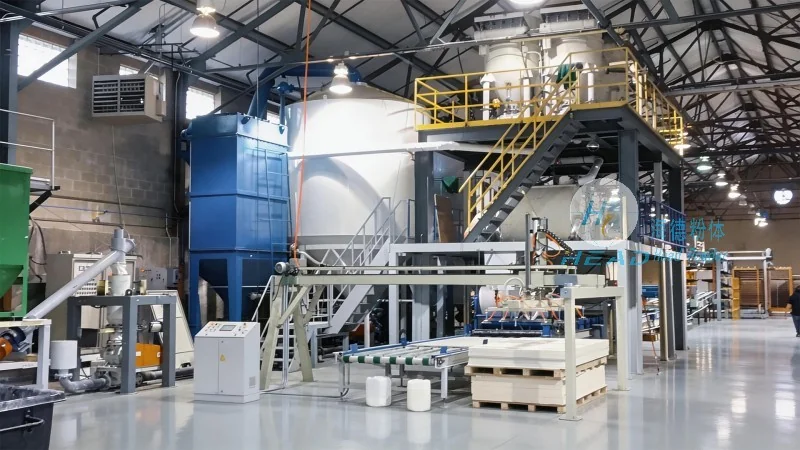
1. Screw Conveyors: A Traditional and Reliable Option
Screw conveyors, also known as auger conveyors, are one of the most widely used methods for transporting expandable polystyrene. These systems consist of a rotating screw inside a trough, which moves the material forward through the conveyor. For EPS, screw conveyors are particularly effective due to their ability to handle bulk materials with minimal breakage. The design allows for gentle material handling, reducing the risk of damage to the lightweight and fragile EPS particles. Shandong HeadPowder Engineering Co., Ltd. offers custom screw conveyor solutions that can be tailored to the specific dimensions and throughput requirements of EPS materials. These conveyors are often equipped with variable speed drives, enabling precise control over the conveying rate. Additionally, the company’s screw conveyors may include features such as hopper feeders and discharge chutes to ensure smooth material flow. The reliability and simplicity of screw conveyors make them a popular choice for many industries, including construction and packaging.
2. Pneumatic Conveying Systems: Efficient for Long-Distance Transport
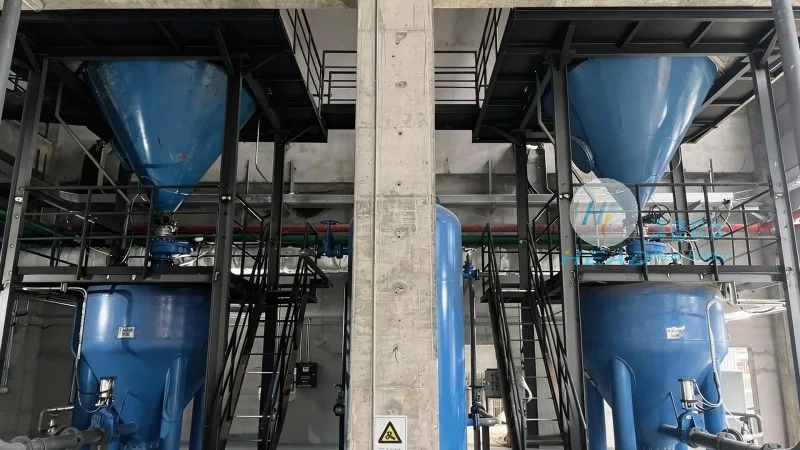
Pneumatic conveying systems use air or other gases to transport expandable polystyrene particles through a pipeline. This method is particularly suitable for long-distance or high-volume transport, as it can move materials over considerable distances without the need for multiple transfer points. There are two main types of pneumatic conveying: pressure and vacuum systems. Pressure systems push the material forward using compressed air, while vacuum systems draw the material into the system using a vacuum. For EPS, pressure systems are often preferred due to their ability to handle larger particles and maintain a consistent flow rate. Shandong HeadPowder Engineering Co., Ltd. designs pneumatic conveying systems that are optimized for EPS, incorporating features such as air filters and cyclone separators to prevent material buildup and ensure clean operation. These systems are also equipped with pressure regulators and flow meters to monitor and control the conveying process. Pneumatic conveying offers advantages such as reduced labor costs and the ability to integrate with existing dust collection systems, making it a versatile option for many industrial applications.
3. Belt Conveyors: Ideal for Bulk and Continuous Transport
Belt conveyors are another common method for transporting expandable polystyrene, especially in applications requiring bulk handling and continuous operation. These systems consist of a continuous belt that moves over rollers or a flat surface, carrying the EPS material from one point to another. Belt conveyors are particularly effective for transporting large quantities of EPS, as they can handle high throughput rates with minimal maintenance. Shandong HeadPowder Engineering Co., Ltd. provides belt conveyor solutions that are designed to handle the lightweight and abrasive nature of EPS. The company’s conveyors may include features such as adjustable speed controls, idler rollers, and impact beds to prevent material spillage and reduce wear on the conveyor belt. Additionally, the conveyors are often equipped with side guards and safety sensors to ensure safe operation. Belt conveyors are commonly used in manufacturing and processing plants, where they are integrated with other equipment such as hoppers and processing machines. The durability and efficiency of belt conveyors make them a reliable choice for continuous EPS transport.
4. Vibrating Conveyors: Gentle Handling for Fragile Materials
Vibrating conveyors use vibration to move expandable polystyrene particles along a trough or conveyor bed. This method is ideal for handling fragile or lightweight materials, as it provides gentle and consistent movement without causing damage. The vibration is typically generated by an electric motor or a mechanical device, which causes the conveyor to oscillate at a specific frequency. Shandong HeadPowder Engineering Co., Ltd. designs vibrating conveyors that are optimized for EPS, incorporating features such as adjustable vibration amplitude and frequency controls. These conveyors are often equipped with hopper feeders and discharge chutes to ensure smooth material flow. The gentle handling provided by vibrating conveyors makes them suitable for applications where material integrity is critical, such as in the food or pharmaceutical industries. Additionally, vibrating conveyors can be used for incline or decline transport, allowing for vertical or horizontal movement of EPS materials. The low maintenance requirements and energy efficiency of vibrating conveyors make them a cost-effective option for many businesses.
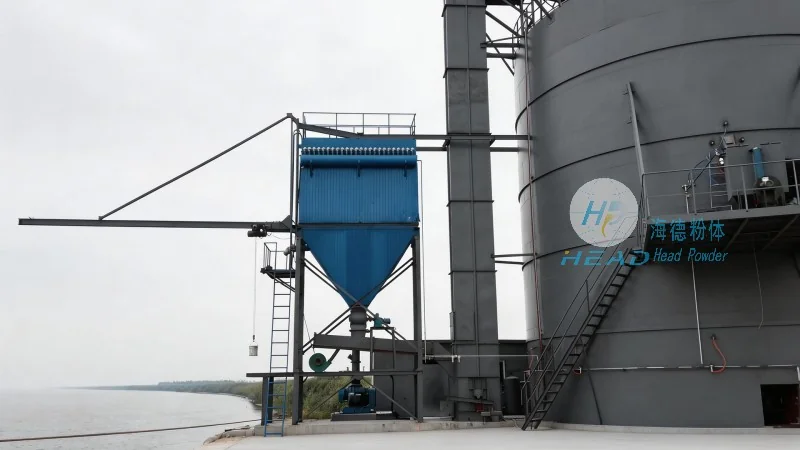
5. Comparison of Conveying Methods: Key Factors to Consider
When selecting a conveying method for expandable polystyrene, several factors must be considered to ensure the best fit for the application. These factors include material properties, throughput requirements, distance to be covered, and operational environment. Screw conveyors are best suited for short-distance transport and gentle handling, while pneumatic systems are ideal for long-distance and high-volume transport. Belt conveyors are suitable for bulk and continuous transport, and vibrating conveyors are best for fragile materials. Shandong HeadPowder Engineering Co., Ltd. offers comprehensive solutions that can be customized to meet these specific requirements. The company’s expertise in EPS handling allows them to provide tailored conveying systems that optimize efficiency and minimize material loss. By considering factors such as material density, particle size, and flow characteristics, businesses can select the most appropriate conveying method for their operations. Additionally, the company’s commitment to quality and customer service ensures that clients receive reliable and effective solutions that meet their specific needs.
Conclusion: Choosing the Right Conveying Method for Expandable Polystyrene
Choosing the right conveying method for expandable polystyrene is essential for maximizing operational efficiency and ensuring material integrity. Shandong HeadPowder Engineering Co., Ltd. provides a range of conveying solutions, including screw conveyors, pneumatic systems, belt conveyors, and vibrating conveyors, each designed to meet specific application requirements. By understanding the advantages and limitations of each method, businesses can make informed decisions that enhance their production processes. The company’s expertise and customization capabilities ensure that clients receive tailored solutions that optimize performance and reduce costs. Whether for short-distance transport or long-distance handling, Shandong HeadPowder Engineering Co., Ltd. offers reliable and effective conveying systems for expandable polystyrene, helping businesses achieve their operational goals.

 Shandong Headpowder Engineering Co., Ltd.
 156-6277-7102(Quản lý Trương)
  0531-83386006
  Thành phố Tế Nam, Tỉnh Sơn Đông, Trung Quốc
Điện thoại
WeChatTư vấn
Lên đầu