Với hơn 10 năm kinh nghiệm về vận chuyển khí nén, Headpowder Sơn Đông cung cấp hệ thống, thiết bị và quạt gió toàn chuỗi, đảm nhận các dự án kỹ thuật bột trọn gói trên toàn quốc.
Spice conveying is a critical process in the spice industry, ensuring efficient and safe movement of various spices from storage to processing or packaging stages. For businesses in this sector, understanding the different methods of spice conveying is essential for optimizing operations and maintaining product quality. This article explores the primary methods used for spice conveying, highlighting their advantages, applications, and how companies like Shandong HeadPowder Engineering Co., Ltd. (commonly known as HeadPowder) can assist in implementing these systems.
Introduction to Spice Conveying
Spice conveying involves the transfer of spices, which can range from whole spices like peppercorns and cloves to ground spices such as paprika and cumin. These materials vary in size, shape, and moisture content, making the choice of conveying method crucial. The goal is to move spices with minimal damage, prevent contamination, and maintain hygiene standards. HeadPowder, a leading provider of engineering solutions in the spice processing industry, specializes in designing and manufacturing conveyance systems tailored to the unique needs of spice manufacturers.
1. Gravity Conveying Systems
Gravity conveying relies on the natural force of gravity to move spices from one level to another. This method is often used for relatively short vertical or horizontal distances where the spice's density and flow characteristics allow for smooth movement. In gravity systems, spices are typically placed on a sloped conveyor or chute, and the slope angle is carefully calculated to ensure consistent flow without excessive spillage or blockage. HeadPowder may recommend gravity conveyors for applications where the spice is free-flowing and has a moderate to high bulk density, such as moving whole spices from a storage silo to a processing line. The simplicity of gravity systems makes them cost-effective and low-maintenance, though they are limited by the need for specific slope angles and may not be suitable for long distances or highly variable spice types.
2. Screw (Auger) Conveyors
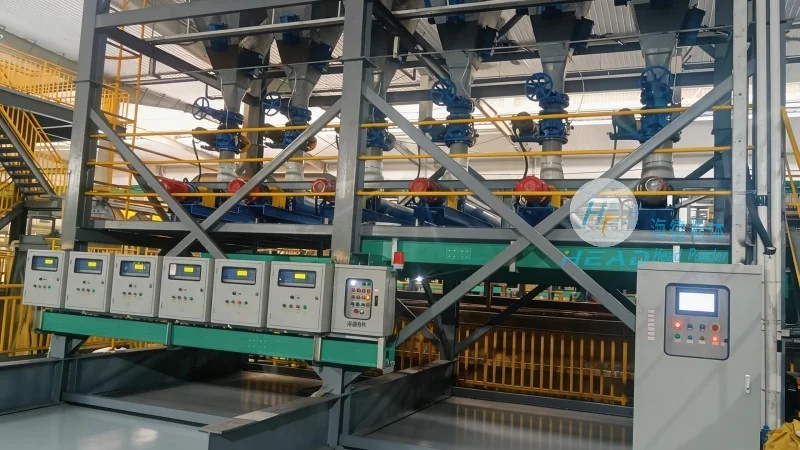
Screw conveyors, also known as auger conveyors, are widely used in spice processing due to their ability to handle a variety of materials, including powders, granules, and whole spices. These systems consist of a rotating screw (auger) inside a cylindrical tube, which moves the spice forward through the tube. The speed and pitch of the screw can be adjusted to control the flow rate and prevent material buildup or overloading. HeadPowder offers customized screw conveyor solutions that can be designed for different spice types, such as handling ground spices with high moisture content or whole spices with irregular shapes. Screw conveyors are particularly effective for vertical lifting, as they can transport spices from lower to higher levels without the need for additional power beyond the motor driving the screw. This makes them ideal for integrating into existing spice processing lines, where space and vertical space are limited.
3. Pneumatic (Air) Conveying Systems
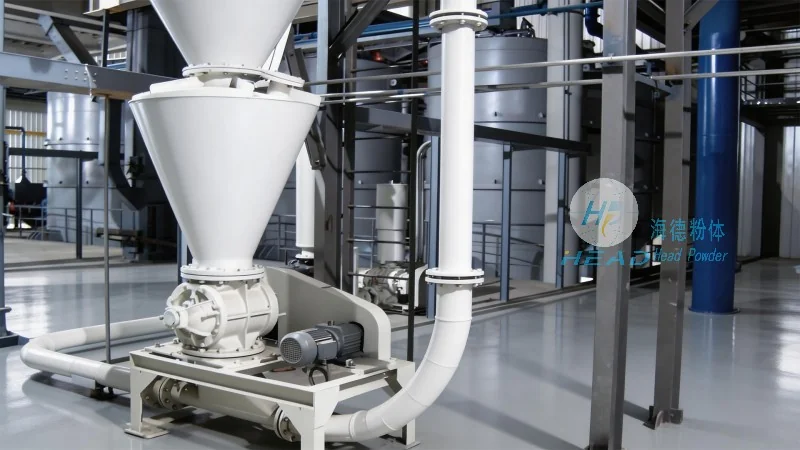
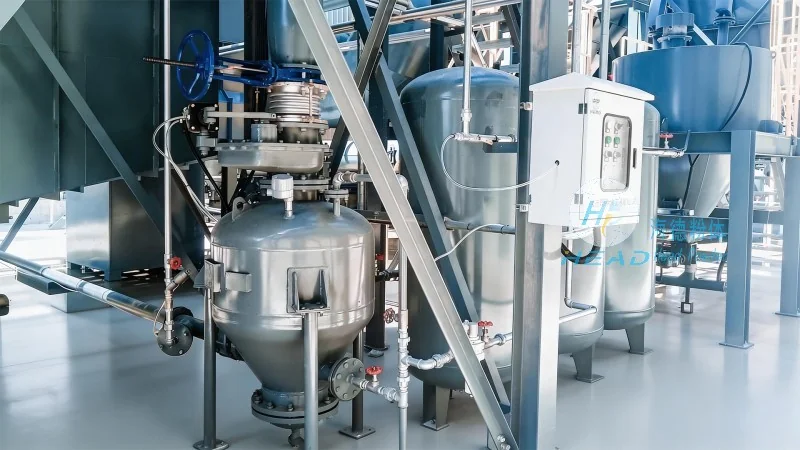
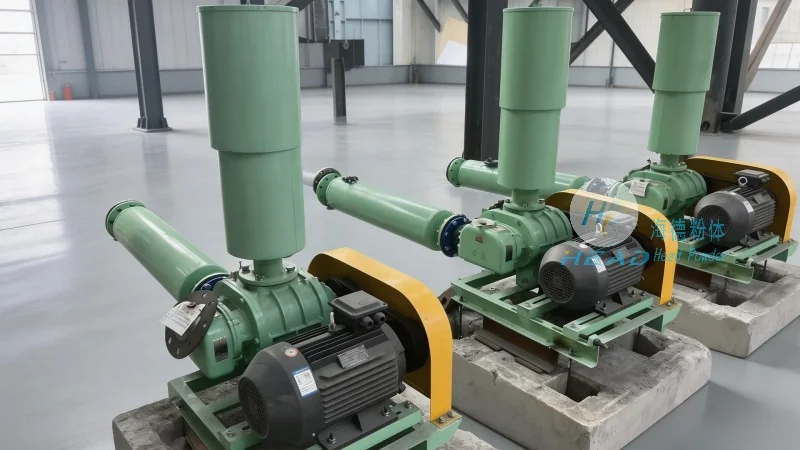
Pneumatic conveying, or air conveying, uses compressed air to transport spices in a closed system. This method is especially suitable for delicate or sensitive spices that require minimal contact with equipment or for moving spices over longer distances with high efficiency. There are two main types of pneumatic conveyors: positive displacement and pressure/venturi systems. Positive displacement systems use a pump to create a vacuum or pressure, drawing or pushing the spice through a pipeline. Venturi systems, on the other hand, use a high-velocity air stream to entrain the spice particles and carry them along. HeadPowder may recommend pneumatic conveying for applications involving fine powders or spices that are prone to dusting, as the enclosed system helps maintain cleanliness and prevents product loss. Pneumatic systems are also beneficial for moving spices from multiple points to a central processing or packaging area, as they can be easily integrated with branching pipelines. However, they require careful design to ensure consistent air flow and prevent blockages, which HeadPowder’s engineering expertise can address.
4. Belt Conveyors
Belt conveyors are another common method for spice conveying, particularly for moving larger quantities of whole spices or bulk materials over longer horizontal distances. These systems consist of a continuous belt that moves over rollers or a flat surface, transporting the spice from one location to another. Belt conveyors can be equipped with side walls or chutes to contain the spice and prevent spillage, making them suitable for both indoor and outdoor applications. HeadPowder may provide belt conveyor solutions that are designed with food-grade materials, such as stainless steel, to meet hygiene standards in spice processing. These conveyors are often used in combination with other equipment, such as screening or sorting machines, to integrate the spice conveying process into a larger production line. Belt conveyors offer high capacity and reliability, but they require regular maintenance to ensure the belt remains in good condition and the system operates smoothly.
5. Bucket Elevators
Bucket elevators are vertical conveying systems that use a series of buckets attached to a chain or belt to lift spices from a lower level to a higher level. Each bucket is filled with spice as it passes through a hopper at the bottom, and then the bucket rotates to empty the spice into a discharge chute at the top. Bucket elevators are highly efficient for vertical lifting and are commonly used in spice processing plants where there is a need to move large volumes of spices vertically, such as from a storage silo to a processing floor. HeadPowder’s expertise in bucket elevator design allows for the creation of systems that can handle various spice types, including those with high moisture content or sticky properties, by using appropriate bucket materials and discharge mechanisms. These systems are known for their durability and ability to handle heavy loads, making them a reliable choice for continuous spice conveying operations.
Choosing the Right Conveying Method for Your Spice Business
When selecting a spice conveying method, several factors must be considered, including the type of spice (whole, ground, or powdered), the volume of material to be moved, the distance and elevation changes required, and the available space and budget. HeadPowder’s team of engineers can conduct a thorough analysis of these factors to recommend the most suitable conveying system for a specific application. For example, a small spice producer handling whole peppercorns might opt for a gravity conveyor or a simple screw conveyor, while a large-scale spice processing facility dealing with fine paprika powder may require a pneumatic conveying system or a combination of screw and belt conveyors. The key is to balance efficiency, cost, and product quality, ensuring that the chosen system meets the unique needs of the spice business.
Conclusion
Spice conveying is a vital aspect of the spice industry, and the choice of conveying method directly impacts operational efficiency and product quality. Companies like Shandong HeadPowder Engineering Co., Ltd. play a crucial role in providing tailored engineering solutions that address the specific challenges of spice processing. By understanding the different conveying methods and consulting with experts like HeadPowder, spice manufacturers can optimize their operations, reduce costs, and maintain high standards of product quality. Whether it's gravity, screw, pneumatic, belt, or bucket elevators, the right conveying system can enhance productivity and ensure the smooth flow of spices from storage to final packaging.

 Shandong Headpowder Engineering Co., Ltd.
 156-6277-7102(Quản lý Trương)
  0531-83386006
  Thành phố Tế Nam, Tỉnh Sơn Đông, Trung Quốc
Điện thoại
WeChatTư vấn
Lên đầu