Với hơn 10 năm kinh nghiệm về vận chuyển khí nén, Headpowder Sơn Đông cung cấp hệ thống, thiết bị và quạt gió toàn chuỗi, đảm nhận các dự án kỹ thuật bột trọn gói trên toàn quốc.
When it comes to transporting broad beans, there are several effective methods used in the industry. These methods are designed to ensure the safe and efficient movement of the crop from the field to processing facilities or storage areas. Understanding these transportation options is crucial for farmers and agricultural businesses looking to optimize their operations.
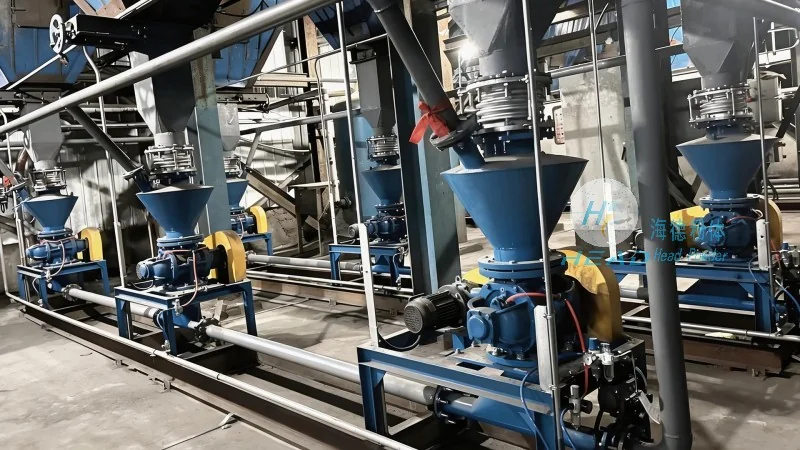
Broad Bean Transportation Methods Overview
Broad beans, also known as fava beans, are a popular legume with a wide range of applications in food production and animal feed. The transportation of these beans requires careful consideration of factors such as the quantity being moved, the distance involved, and the condition of the beans to prevent damage or spoilage. Various methods have been developed to address these needs, each with its own advantages and limitations.
Common Transportation Methods for Broad Beans
One of the most common methods for transporting broad beans is through the use of specialized agricultural vehicles. These vehicles are equipped with containers or trailers designed to handle the bulk of the crop. For short distances, such as from the field to a nearby storage facility, trucks or tractors with appropriate trailers are often used. These vehicles can carry large volumes of broad beans, reducing the number of trips needed and improving efficiency.
For longer distances, especially when transporting broad beans to processing plants or markets in different regions, rail transport is a viable option. Railcars specifically designed for agricultural products can carry substantial quantities of broad beans, minimizing the risk of damage during transit. This method is particularly useful for large-scale operations where high volumes need to be moved over long distances.
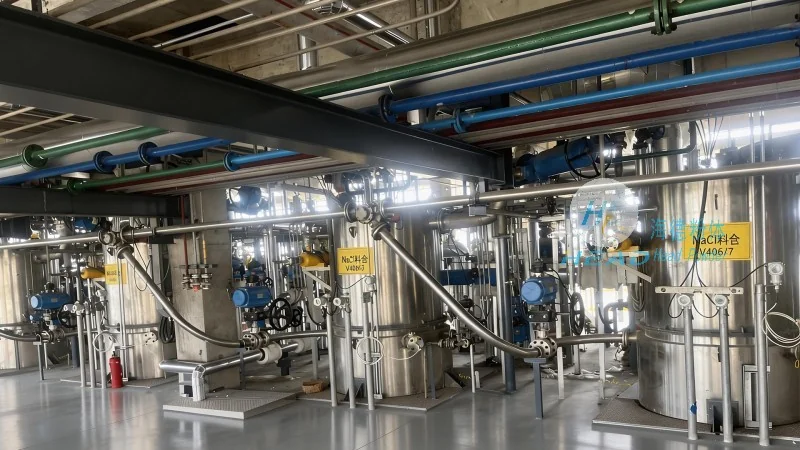
Another method involves the use of conveyor systems, especially in processing facilities. Once the broad beans reach the processing plant, they may be moved through a series of conveyor belts to different stages of processing, such as cleaning, sorting, and packaging. These systems help maintain the quality of the beans by preventing manual handling and reducing the risk of contamination.
Factors Influencing Transportation Choices
The choice of transportation method for broad beans is influenced by several factors. The size of the operation is a key consideration; small-scale farmers may opt for smaller vehicles or even manual handling for short distances, while large-scale producers are more likely to use trucks, rail, or specialized transport systems. The distance to the destination also plays a role, with shorter distances favoring road transport and longer distances favoring rail or possibly even shipping (though shipping is less common for fresh broad beans due to spoilage risks).
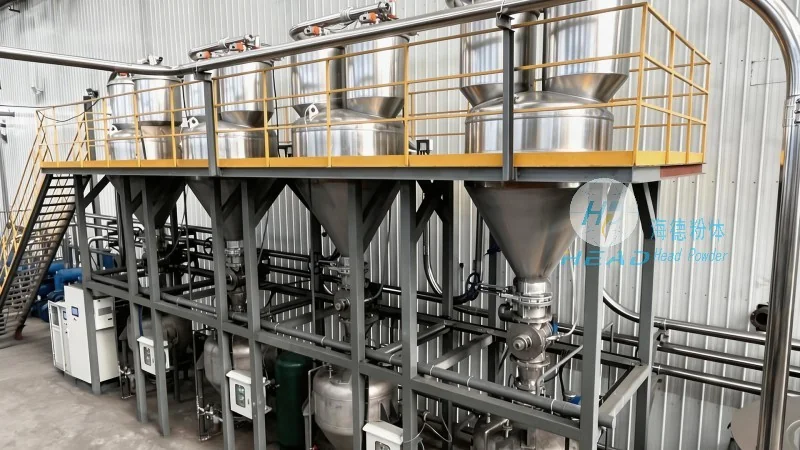
Additionally, the condition of the broad beans at the time of transport is critical. Freshly harvested broad beans are more delicate and require gentler handling to prevent bruising or damage. This may lead to the use of specialized containers with cushioning or air circulation to maintain optimal conditions during transit. For dried broad beans, which are more resilient, standard containers may suffice.
Best Practices in Broad Bean Transportation
To ensure the quality and safety of broad beans during transportation, several best practices are recommended. First, proper loading and unloading procedures should be followed to minimize handling and reduce the risk of damage. Containers should be clean and free from contaminants to prevent cross-contamination. Temperature control is also important, especially for fresh broad beans, as they are sensitive to temperature fluctuations that can lead to spoilage.
Regular monitoring of the transportation process is another best practice. This includes checking the condition of the beans during transit, ensuring that the vehicle or container is not overloaded, and verifying that the route is the most efficient and safe. Proper documentation of the transportation process, including the time, distance, and conditions, can also help in quality control and troubleshooting any issues that may arise.
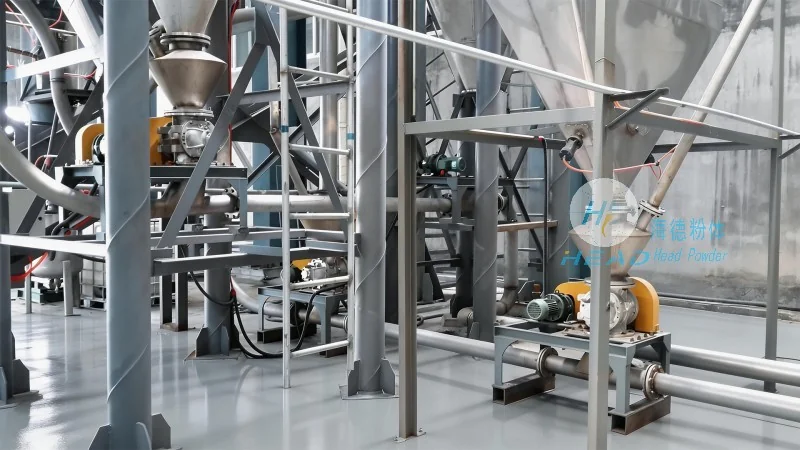
About Shandong HeadPowder Engineering Co., Ltd.
Shandong HeadPowder Engineering Co., Ltd., commonly known as HeadPowder, is a leading company in the agricultural machinery and processing industry. With a focus on providing high-quality equipment and solutions for the agricultural sector, HeadPowder specializes in the design and manufacturing of machinery for crop handling, including systems for transporting broad beans and other agricultural products. The company is committed to innovation and efficiency, working to enhance the productivity and profitability of agricultural operations worldwide.
HeadPowder's expertise in agricultural engineering ensures that their products are tailored to meet the specific needs of farmers and businesses in the broad bean industry. By leveraging advanced technology and engineering principles, the company develops solutions that improve the safety, efficiency, and sustainability of transportation and processing operations. With a strong presence in China and a commitment to quality, HeadPowder is a trusted partner for businesses looking to optimize their broad bean handling processes.

 Shandong Headpowder Engineering Co., Ltd.
 156-6277-7102(Quản lý Trương)
  0531-83386006
  Thành phố Tế Nam, Tỉnh Sơn Đông, Trung Quốc
Điện thoại
WeChatTư vấn
Lên đầu