Với hơn 10 năm kinh nghiệm về vận chuyển khí nén, Headpowder Sơn Đông cung cấp hệ thống, thiết bị và quạt gió toàn chuỗi, đảm nhận các dự án kỹ thuật bột trọn gói trên toàn quốc.
When it comes to handling and transporting silica powder, selecting the right conveying method is crucial for ensuring efficiency, safety, and product integrity. Silica powder, widely used in industries such as construction, electronics, and pharmaceuticals, requires specialized techniques to manage its fine particles and prevent issues like dust explosion or material degradation. This article explores the common methods used for silica powder conveying, focusing on practical applications and the factors that influence the choice of each method.
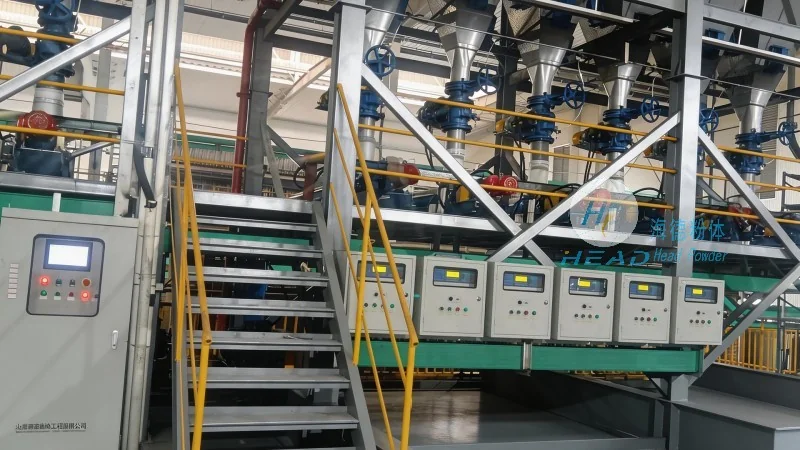
Understanding Silica Powder Properties and Conveying Challenges
Before delving into specific conveying methods, it is essential to understand the characteristics of silica powder that affect its handling. Silica powder is typically fine, dry, and can be abrasive. Its particle size, moisture content, and flowability are key factors that determine the most suitable conveying approach. For instance, fine particles may lead to clogging in traditional systems, while high moisture content can cause clumping or increased friction. These challenges necessitate the use of specialized equipment and techniques to maintain consistent flow and prevent material loss or contamination.
Common Conveying Methods for Silica Powder
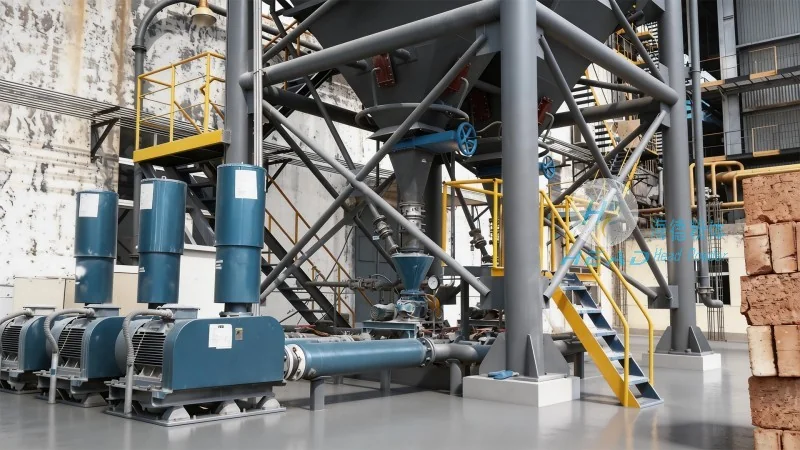
A. Air-Flow Conveying (Pneumatic Conveying)
Air-flow or pneumatic conveying is one of the most widely used methods for transporting silica powder. This technique involves using compressed air to move the powder through a pipeline. There are two main types of pneumatic conveying systems: pressure and vacuum. Pressure systems use positive pressure to push the powder forward, while vacuum systems use negative pressure to pull the material. For silica powder, pressure systems are often preferred due to their ability to handle higher material loads and longer distances. The process typically involves a hopper where the powder is fed into a pipeline, connected to a blower or compressor that generates the air flow. The air and powder mixture travels through the pipeline to the discharge point, where the powder is separated from the air using a cyclone or filter. This method is particularly effective for handling dry, free-flowing silica powder and can be adapted for both short and long-distance transport.
B. Mechanical Conveying Systems
Mechanical conveying systems rely on mechanical components to move silica powder. These include screw conveyors, belt conveyors, and bucket elevators. Screw conveyors use a rotating screw to push the powder along a tube, making them suitable for vertical or horizontal transport. They are ideal for handling relatively dry and free-flowing silica powder but may struggle with very fine particles that can cause wear or clogging. Belt conveyors use a continuous belt to transport the powder, often in conjunction with hoppers and chutes. This method is commonly used in bulk material handling and can accommodate larger quantities of silica powder. However, it requires regular maintenance to prevent belt wear and ensure proper alignment. Bucket elevators use a series of buckets attached to a chain or belt to lift the powder vertically. They are efficient for vertical transport but may not be suitable for very fine or abrasive powders that can damage the buckets or chain.
C. Hydraulic Conveying
Hydraulic conveying uses a liquid medium, such as water or a slurry, to transport silica powder. The powder is mixed with the liquid to form a slurry, which is then pumped through pipes to the destination. This method is particularly useful for handling wet or sticky silica powder, as the liquid helps to keep the particles suspended and prevent clumping. However, it requires additional equipment for slurry preparation and separation, such as a centrifuge or filter to recover the powder from the liquid. Hydraulic conveying is less common for dry silica powder due to the need for post-processing to remove the liquid.
Factors Influencing the Choice of Conveying Method
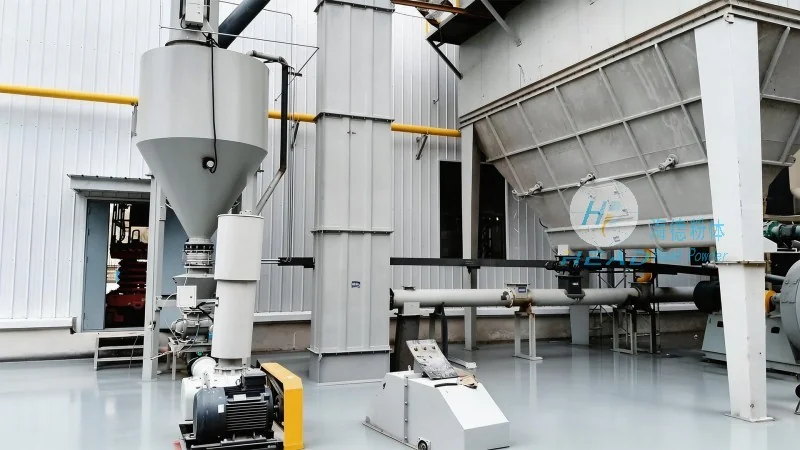
The selection of a conveying method for silica powder depends on several factors, including the material's properties, the distance to be covered, the required throughput, and the available infrastructure. For example, pneumatic conveying is often chosen for short to medium distances and when high material purity is required, as it minimizes contact with external elements. Mechanical conveyors are preferred for long-distance horizontal transport or when handling larger quantities of powder. The choice also considers the cost of equipment, maintenance requirements, and energy consumption. Companies like Shandong HeadPowder Engineering Co., Ltd., a leading provider of bulk material handling solutions, offer customized conveying systems tailored to specific silica powder applications, ensuring optimal performance and efficiency.
Conclusion
In conclusion, the common methods for silica powder conveying include air-flow, mechanical, and hydraulic systems, each with its own advantages and limitations. The right choice depends on the specific characteristics of the silica powder and the operational requirements of the facility. By understanding these factors and selecting the appropriate conveying method, industries can ensure safe, efficient, and cost-effective transport of silica powder, maintaining product quality and minimizing operational risks.

 Shandong Headpowder Engineering Co., Ltd.
 156-6277-7102(Quản lý Trương)
  0531-83386006
  Thành phố Tế Nam, Tỉnh Sơn Đông, Trung Quốc
Điện thoại
WeChatTư vấn
Lên đầu