Với hơn 10 năm kinh nghiệm về vận chuyển khí nén, Headpowder Sơn Đông cung cấp hệ thống, thiết bị và quạt gió toàn chuỗi, đảm nhận các dự án kỹ thuật bột trọn gói trên toàn quốc.
When handling magnesia, selecting the appropriate transport method is crucial for efficiency and safety. Magnesia, a key raw material in refractory production, requires specialized handling due to its chemical properties and particle characteristics. This article explores common magnesia transport methods, with a focus on pneumatic conveying as a modern solution.
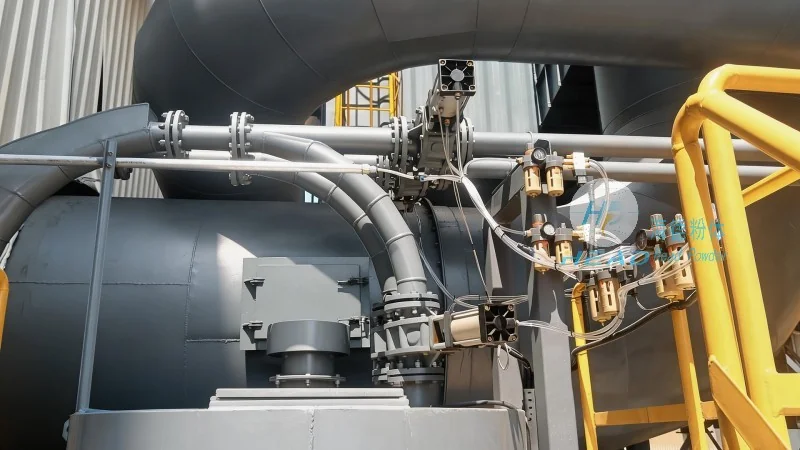
Introduction to Magnesia Handling and Transport
Magnesia, or magnesium oxide (MgO), is widely used in the manufacturing of refractory bricks, castables, and other industrial products. Its high melting point and chemical stability make it essential in high-temperature applications. However, the material's fine particle size and potential dust generation pose challenges during transport. Traditional methods like belt conveyors or bucket elevators may not be ideal due to the risk of material degradation or dust exposure. Therefore, understanding the available transport options is vital for optimizing production processes.
About Shandong HeadPowder Engineering Co., Ltd.
Shandong HeadPowder Engineering Co., Ltd., operating under the brand name HeadPowder, specializes in providing advanced material handling solutions for industries dealing with bulk materials like magnesia. With a focus on innovation and customer satisfaction, the company has established itself as a trusted partner in the refractory and chemical sectors. HeadPowder's expertise lies in designing and manufacturing efficient conveying systems that meet the specific needs of clients, ensuring reliable and safe material transport. The company is headquartered in Shandong, China, where it leverages local resources and industry knowledge to deliver high-quality products and services.
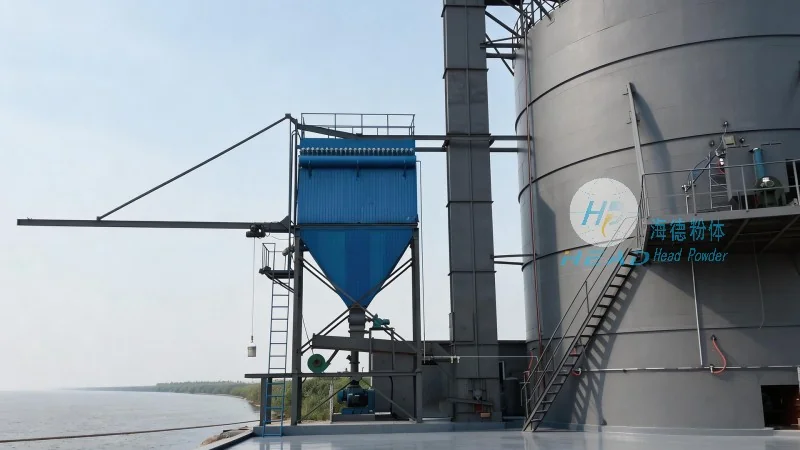
Common Magnesia Transport Methods
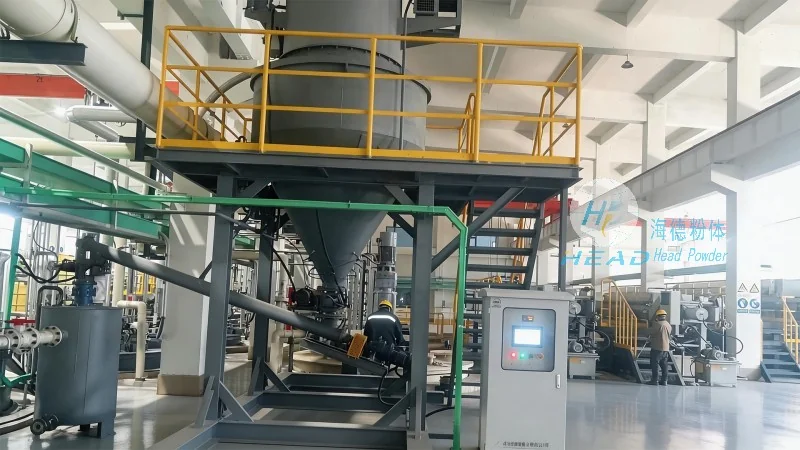
Several methods are employed for transporting magnesia, each with its own advantages and limitations. The primary options include mechanical conveyors, pneumatic conveying systems, and hydraulic transport. Mechanical conveyors, such as belt conveyors and screw conveyors, are widely used for bulk material transport but may not be suitable for fine powders due to the risk of clogging and material degradation. Screw conveyors, while effective for granular materials, struggle with fine magnesia particles that can lead to increased friction and wear. Bucket elevators are another mechanical option, but they require regular maintenance and can be less efficient for high-volume operations.
Pneumatic Conveying: A Modern Solution for Magnesia Transport
Pneumatic conveying, also known as air conveying, is a method that uses compressed air to transport bulk materials through a pipeline. This technology is particularly suitable for magnesia due to its ability to handle fine powders and minimize dust exposure. There are two main types of pneumatic conveying systems: pressure and vacuum. Pressure systems use compressed air to push the material through the pipeline, while vacuum systems use a vacuum to draw the material. For magnesia, pressure systems are more commonly used as they offer higher transport efficiency and better control over the material flow.
HeadPowder specializes in designing and manufacturing pneumatic conveying systems tailored to the needs of magnesia producers. The company's systems are engineered to handle the specific characteristics of magnesia, including its particle size, moisture content, and chemical properties. Key components of a pneumatic conveying system for magnesia include the hopper, feeder, pipeline, and receiver. The hopper is used to store the magnesia, while the feeder controls the flow rate. The pipeline transports the material from the hopper to the receiver, which collects the material at the destination. HeadPowder's systems are designed to minimize material degradation and ensure consistent flow rates, making them ideal for high-volume production environments.
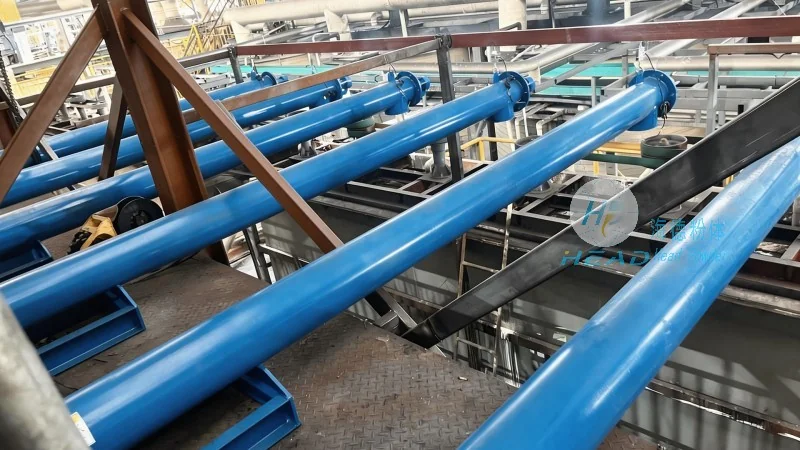
Advantages of Pneumatic Conveying for Magnesia
Compared to traditional mechanical conveyors, pneumatic conveying offers several advantages for magnesia transport. First, it provides a dust-free environment, reducing the risk of respiratory issues and contamination. Second, it allows for the transport of fine powders without clogging or degradation. Third, it offers greater flexibility in terms of layout and distance, as the pipeline can be installed in various configurations. Fourth, it reduces labor costs by automating the material transport process. These advantages make pneumatic conveying a preferred choice for many magnesia producers, especially those operating in high-temperature or hazardous environments.
Conclusion
In conclusion, selecting the right magnesia transport method is essential for optimizing production efficiency and ensuring safety. While mechanical conveyors have their place, pneumatic conveying offers a modern and effective solution for handling magnesia. Shandong HeadPowder Engineering Co., Ltd. provides specialized pneumatic conveying systems that are tailored to the needs of magnesia producers, ensuring reliable and efficient material transport. By choosing HeadPowder's solutions, clients can enhance their production processes and maintain compliance with industry standards.

 Shandong Headpowder Engineering Co., Ltd.
 156-6277-7102(Quản lý Trương)
  0531-83386006
  Thành phố Tế Nam, Tỉnh Sơn Đông, Trung Quốc
Điện thoại
WeChatTư vấn
Lên đầu