Với hơn 10 năm kinh nghiệm về vận chuyển khí nén, Headpowder Sơn Đông cung cấp hệ thống, thiết bị và quạt gió toàn chuỗi, đảm nhận các dự án kỹ thuật bột trọn gói trên toàn quốc.
HeadPowder, a leading provider of mineral processing solutions, specializes in delivering efficient and reliable conveyance systems for mineral powders. With a focus on tailored engineering, the company offers a range of methods to meet diverse industrial needs, ensuring optimal performance and cost-effectiveness for clients in the mining and processing sectors. This article explores the primary methods used for mineral powder conveyance, highlighting the advantages and applications of each approach.
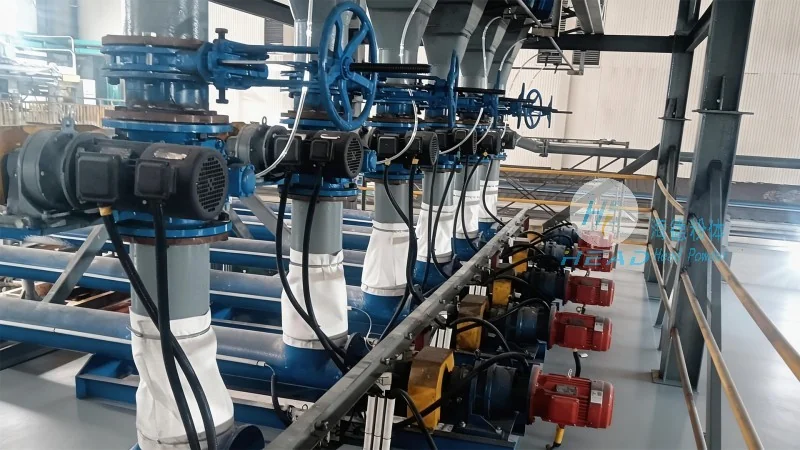
1. Pneumatic Conveying Systems
Pneumatic conveying systems utilize compressed air or inert gases to transport mineral powders through a network of pipes. HeadPowder's customized pneumatic systems are designed to handle various particle sizes and materials, such as quartz powder, limestone powder, and metal powders. The systems are engineered to maintain consistent flow rates and pressure, minimizing material degradation and ensuring stable operation over long distances. Key advantages include non-contact material handling, which reduces contamination and wear, making it ideal for delicate or high-value powders. Additionally, pneumatic conveyors can be integrated with other processing equipment, enhancing overall plant efficiency.
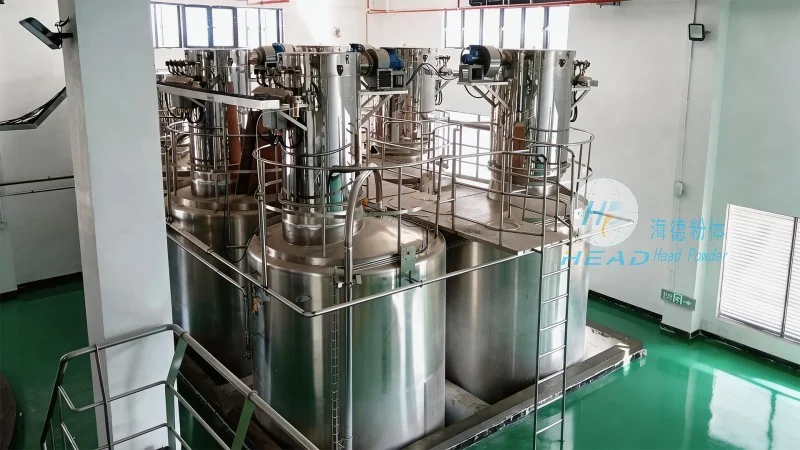
2. Belt Conveyors
Belt conveyors represent a classic and widely adopted method for mineral powder transport. HeadPowder manufactures robust belt conveyors equipped with high-strength rubber or synthetic belts, capable of handling heavy loads and continuous operation. The design incorporates tensioning mechanisms and idler rollers to maintain belt alignment and reduce friction. For mineral powders, enclosed or covered belt conveyors are often used to contain dust and prevent environmental contamination. These systems are particularly suitable for long-distance transport, with minimal maintenance requirements and lower operational costs compared to other methods. HeadPowder customizes conveyor dimensions, including width, length, and drive power, to accommodate specific production scales and material characteristics.
3. Hydraulic Conveying Systems
Hydraulic conveying systems employ water to transport mineral powders as a slurry. This method is particularly effective for materials that are water-soluble or require wet processing, such as cement powders, slag powders, and certain metal oxides. HeadPowder's hydraulic systems consist of pumping equipment, pipelines, and sedimentation tanks, ensuring stable mixing ratios between the powder and water. The design considers factors like particle settling velocity and pipe wear, optimizing flow velocity and pipe diameter for efficient transport. While hydraulic conveyance offers the ability to handle high-concentration slurries and reduce dust emissions, it requires wastewater treatment, making it suitable for applications where water is readily available and environmental regulations are stringent.
4. Combined Pneumatic-Mechanical Conveying Systems
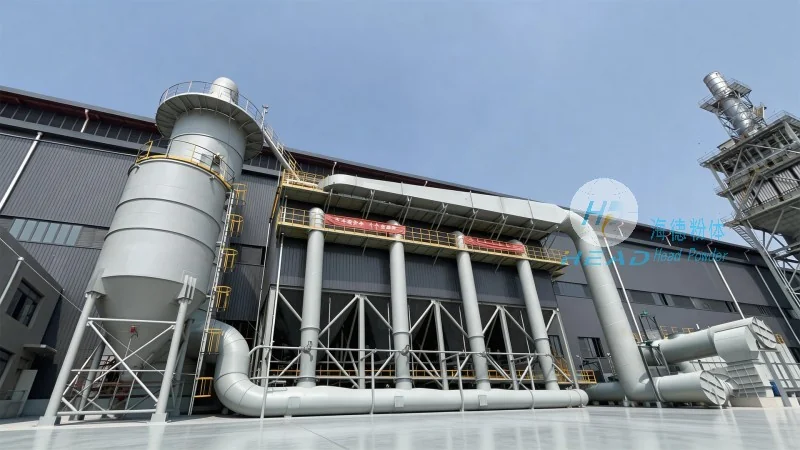
Combined pneumatic-mechanical conveying systems integrate the benefits of both pneumatic and mechanical transport. For instance, in long-distance applications, powders may be conveyed pneumatically to a transfer station and then transferred via belt or bucket elevators to the final destination. HeadPowder optimizes these hybrid systems based on distance, material properties, and site conditions, maximizing overall efficiency. This approach is advantageous in complex scenarios, such as multi-site transport or areas with varying topography, as it provides flexibility and reduces the pressure requirements for individual segments. The combined system allows for modular design, enabling easy expansion or modification as production needs evolve.
5. Screw Conveyors
Screw conveyors, or auger conveyors, are another effective method for mineral powder transport, especially in vertical or inclined applications. HeadPowder's screw conveyors feature helical screws that rotate to move powders through a cylindrical tube. The design accommodates different powder types, including fine and cohesive materials, by adjusting screw pitch and speed. Screw conveyors are self-contained, requiring no external power for the conveyor itself, and are suitable for short to medium distances. They are commonly used in processing plants for feeding, batching, and transferring powders to storage silos or processing equipment. HeadPowder ensures the conveyors are constructed with corrosion-resistant materials to handle acidic or corrosive powders, extending service life and reliability.
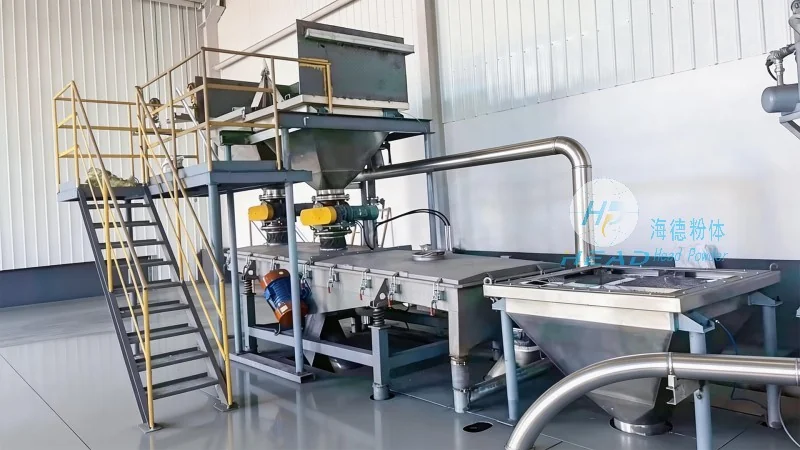
6. Air-Liquid Two-Phase Conveying
Air-liquid two-phase conveying systems combine air and water to transport mineral powders as a slurry, offering a middle ground between pneumatic and hydraulic methods. HeadPowder's two-phase systems use air to assist in mixing the powder with water, reducing the overall water requirement and improving flow characteristics. This approach is beneficial for materials that are sensitive to excessive moisture or require controlled wetting. The system includes pumps, air injectors, and pipelines, with controls to maintain consistent slurry density. Two-phase conveyance is particularly effective for long-distance transport of high-concentration slurries, as it reduces pipeline wear compared to pure hydraulic systems while maintaining the ability to handle abrasive powders.
HeadPowder Engineering Co., Ltd., based in Shandong, China, leverages decades of experience in mineral processing to develop innovative conveyance solutions. By integrating advanced engineering principles with customer-specific requirements, the company ensures that each system is optimized for performance, reliability, and cost-effectiveness. Whether utilizing pneumatic, mechanical, or hybrid methods, HeadPowder's expertise in mineral powder conveyance helps clients achieve efficient material handling, minimize downtime, and enhance overall operational productivity.

 Shandong Headpowder Engineering Co., Ltd.
 156-6277-7102(Quản lý Trương)
  0531-83386006
  Thành phố Tế Nam, Tỉnh Sơn Đông, Trung Quốc
Điện thoại
WeChatTư vấn
Lên đầu