Với hơn 10 năm kinh nghiệm về vận chuyển khí nén, Headpowder Sơn Đông cung cấp hệ thống, thiết bị và quạt gió toàn chuỗi, đảm nhận các dự án kỹ thuật bột trọn gói trên toàn quốc.
Latex powder, a critical raw material in numerous industrial applications, demands efficient and reliable conveyance systems to maintain smooth production workflows. The selection of an appropriate conveyance method is influenced by factors such as material properties, production scale, and operational environment. This article examines the primary methods used for latex powder conveyance, detailing the advantages and considerations for each approach to help industries choose the most suitable solution.
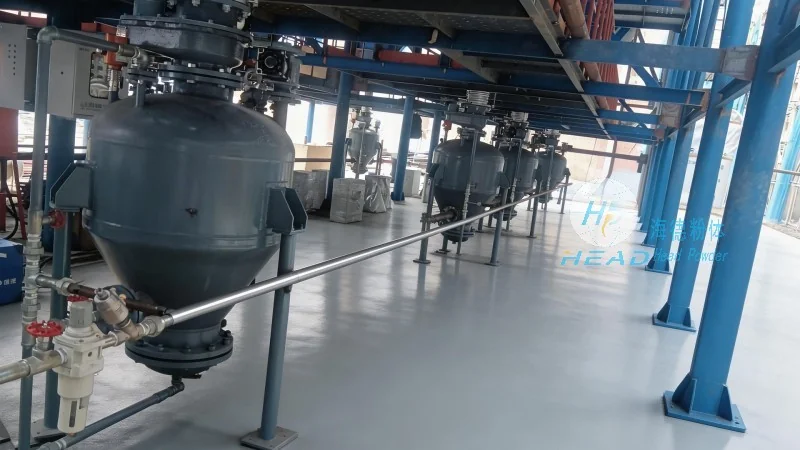
1. Gravity Conveyance Systems
Gravity conveyance, also known as gravity-fed or pneumatic gravity systems, leverages the natural flow of latex powder under the influence of gravity. This method is particularly well-suited for materials with a relatively free-flowing nature and is commonly used in smaller-scale operations. The system typically involves a hopper or storage bin from which the latex powder is discharged into a conveyor or collection point. The key advantage of gravity conveyance is its simplicity and low energy consumption, as it relies on the material's own weight to move. However, it may not be effective for materials with high moisture content or those that tend to agglomerate, as these can impede smooth flow. Additionally, gravity systems may require regular maintenance to prevent blockages and ensure consistent performance, which can impact operational efficiency.
2. Mechanical Conveyance Systems
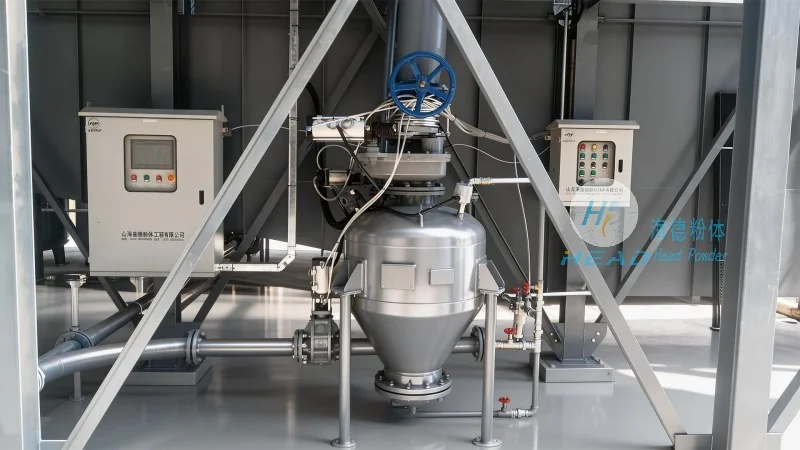
Mechanical conveyance systems utilize mechanical components to transport latex powder, offering greater versatility and adaptability compared to gravity methods. Common types include screw conveyors, belt conveyors, and bucket elevators. Screw conveyors, for instance, use a rotating screw to push the latex powder forward, making them ideal for both vertical and horizontal transport. They can handle materials with varying moisture content and agglomerates, as the screw's design can effectively break down clumps. Belt conveyors, on the other hand, employ a continuous belt to move the material, which is suitable for larger quantities and longer distances. The belt can be made of various materials, such as rubber or plastic, to withstand the abrasive nature of latex powder. Bucket elevators are designed for vertical transport, lifting the latex powder from lower to higher levels with a series of buckets attached to a chain or belt. This method is particularly effective for transporting materials with high bulk density, ensuring consistent flow and preventing material degradation. The primary benefits of mechanical conveyance include higher capacity, better control over material flow, and the ability to handle materials with higher moisture content or fine particles. However, these systems generally require more energy and may involve more complex maintenance compared to gravity systems, which can increase operational costs.
3. Pneumatic Conveyance Systems
Pneumatic conveyance systems use air or other gases to transport latex powder through a pipeline, providing a highly effective solution for materials that are dusty or require airtight handling. This method prevents contamination and dust dispersion, making it suitable for applications where material purity is critical. Pneumatic systems are available in two main types: positive displacement and negative pressure. Positive displacement systems use a pump to create pressure and force the latex powder through the pipeline, while negative pressure systems create a vacuum to draw the material into the system. The choice between these depends on the distance and material characteristics. Pneumatic conveyance offers advantages such as high flexibility, the ability to transport materials over long distances, and the capacity to handle materials with high moisture content or fine particles. However, it may require more energy and careful management of air pressure to avoid material degradation or system inefficiencies, which can impact long-term operational costs.
4. Combination Conveyance Systems
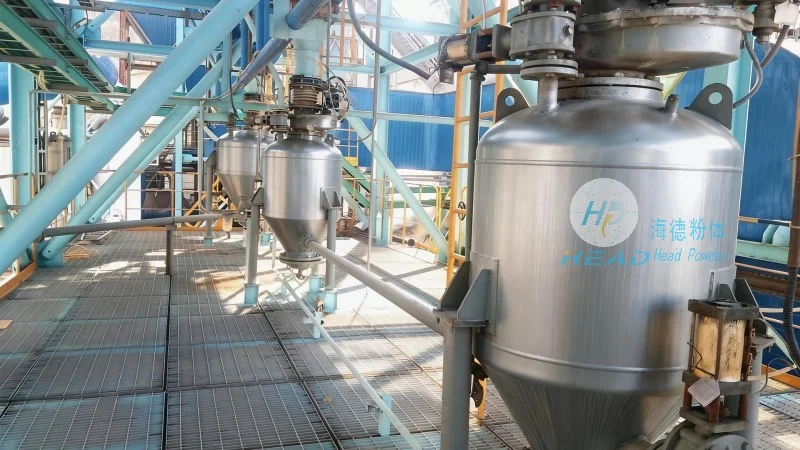
In many industrial settings, a combination of the above methods is used to optimize latex powder conveyance, creating an integrated approach that addresses diverse operational needs. For example, a gravity system may be used for initial material transfer from storage to a mechanical conveyor, which then transports the material to a pneumatic system for final distribution. This integrated solution allows for efficient handling of different material properties and operational demands. The benefits of combination systems include improved overall efficiency, reduced energy consumption, and enhanced flexibility in adapting to changing production requirements. However, they may involve higher initial investment and more complex system design compared to single-method solutions, which can affect the total cost of ownership.
Company Information
For professional solutions in latex powder conveyance, Shandong HeadPowder Engineering Co., Ltd. (commonly known as headpowder) offers a range of customized systems tailored to specific industrial requirements. With a focus on quality and reliability, the company provides comprehensive services from design and installation to maintenance and support. HeadPowder's expertise in material handling technology ensures that clients receive efficient and cost-effective conveyance solutions that meet their production needs. The company is located in Shandong, China, and serves a diverse clientele across various industries, including manufacturing, construction, and chemical processing. By leveraging advanced engineering and customer-centric approaches, headpowder helps industries enhance productivity and maintain consistent material quality throughout the conveyance process.

 Shandong Headpowder Engineering Co., Ltd.
 156-6277-7102(Quản lý Trương)
  0531-83386006
  Thành phố Tế Nam, Tỉnh Sơn Đông, Trung Quốc
Điện thoại
WeChatTư vấn
Lên đầu