Với hơn 10 năm kinh nghiệm về vận chuyển khí nén, Headpowder Sơn Đông cung cấp hệ thống, thiết bị và quạt gió toàn chuỗi, đảm nhận các dự án kỹ thuật bột trọn gói trên toàn quốc.
When it comes to the efficient and reliable transport of cement raw materials, selecting the right conveying method is crucial for optimizing production processes and ensuring consistent quality in cement manufacturing. As a leading provider in the industry, Shandong HeadPowder Engineering Co., Ltd. (referred to as HeadPowder) specializes in delivering tailored solutions that address the unique challenges of raw material handling in cement plants. This article explores the common methods used for cement raw material conveying, highlighting their applications, advantages, and considerations for different operational scenarios.
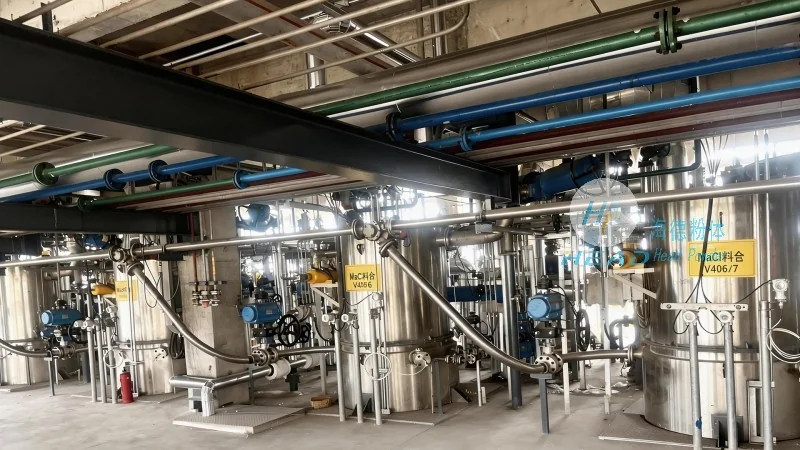
1. Air-Slide Conveying Systems
Air-slide conveying, also known as pneumatic conveying with a slide, is a widely adopted method for transporting bulk materials like cement raw materials. This system utilizes a combination of air flow and a sloped conveyor to move materials from one point to another. The air slide consists of a hopper, a flexible or rigid conveyor, and an air distribution system. As raw materials are fed into the hopper, air is introduced to create a fluidized bed, allowing the material to slide smoothly along the conveyor. This method is particularly effective for handling fine powders and granular materials, offering advantages such as low maintenance requirements, minimal space occupation, and the ability to convey materials over relatively short distances. HeadPowder's expertise in designing and installing air-slide systems ensures that clients receive customized solutions that meet their specific throughput and material characteristics.
2. Screw Conveyors
Screw conveyors, or auger conveyors, are another common method for cement raw material transport. These systems use a rotating screw (auger) to move materials along a U-shaped or straight trough. The screw's rotation creates a positive displacement, pushing the material forward. Screw conveyors are versatile and can handle a wide range of materials, including powders, granules, and even wet or sticky substances. They are often used in vertical or inclined applications, making them suitable for elevating raw materials to higher levels in a plant. The design of screw conveyors allows for easy integration with other equipment, such as hoppers and storage silos. HeadPowder's engineers design screw conveyors with considerations for material flow, friction, and wear resistance, ensuring long-term operational efficiency and minimal downtime. The company's focus on durability and reliability makes screw conveyors a trusted choice for cement plants worldwide.
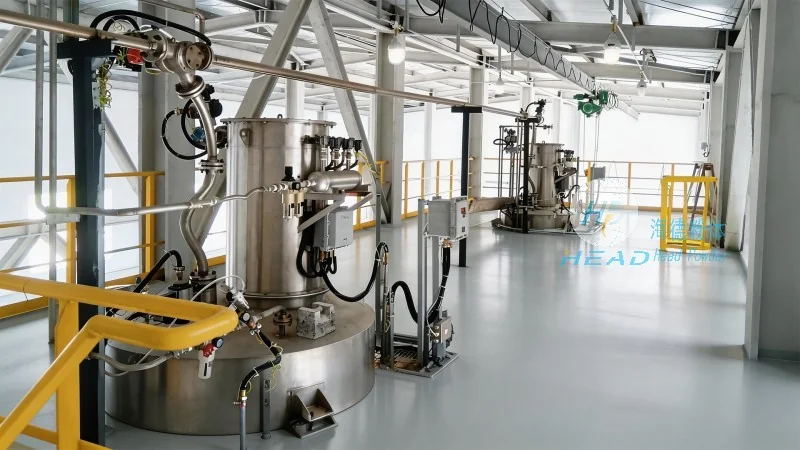
3. Belt Conveyors
Belt conveyors are a classic and widely used method for transporting bulk materials, including cement raw materials. These systems consist of a continuous belt that moves over rollers or pulleys, carrying the material from the feed point to the discharge point. Belt conveyors are capable of handling large volumes of material over long distances, making them ideal for horizontal or slightly inclined transport. They are particularly effective for transporting coarse or abrasive materials, as the belt can withstand the impact and friction without significant wear. HeadPowder specializes in designing belt conveyor systems that optimize material flow, reduce energy consumption, and enhance safety features. The company's expertise in conveyor belt selection, tensioning mechanisms, and support structures ensures that clients receive robust and efficient solutions tailored to their production needs. Belt conveyors are a cost-effective option for many cement plants, offering high throughput and low maintenance when properly designed and maintained.
4. Pneumatic Conveying Systems
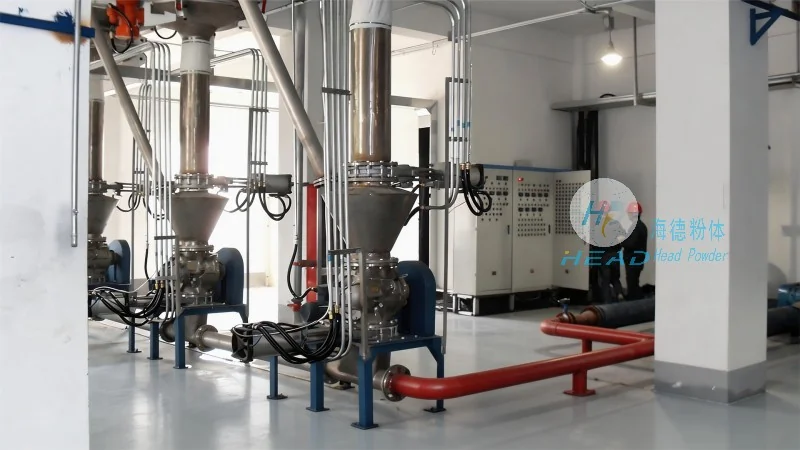
Pneumatic conveying, or air-pneumatic transport, is a method that uses compressed air to move materials through a pipeline. This system is particularly suitable for transporting fine powders and granular materials over medium to long distances. Pneumatic conveyors can be categorized into two main types: dilute-phase and dense-phase. Dilute-phase systems use low air velocities to transport materials in a dispersed state, while dense-phase systems use higher air velocities to create a dense flow of material. Pneumatic conveying offers advantages such as the ability to transport materials vertically, horizontally, or in a combination of both, and the flexibility to integrate with existing plant infrastructure. HeadPowder's engineers design pneumatic conveying systems with considerations for material properties, such as particle size, moisture content, and abrasiveness, to ensure optimal performance. The company's focus on system efficiency and reliability helps minimize energy consumption and maintenance costs, making pneumatic conveying a competitive option for cement raw material transport.
5. Hydraulic Conveying
Hydraulic conveying is a method that uses water or other liquids to transport materials through a pipeline. This system is typically used for transporting fine powders or slurries, where the material is mixed with water to form a slurry that can be pumped through the pipeline. Hydraulic conveying is particularly effective for handling materials that are difficult to transport by other methods, such as highly abrasive or sticky substances. The system consists of a pump, a pipeline, and a discharge point, with the material being transported under pressure. HeadPowder provides hydraulic conveying solutions that are designed to handle the specific characteristics of cement raw materials, ensuring efficient and reliable transport. The company's expertise in slurry preparation, pipeline design, and pump selection ensures that clients receive systems that minimize wear and maximize throughput. Hydraulic conveying is a viable option for cement plants that need to transport materials over long distances or in challenging environments, offering advantages such as low energy consumption and the ability to handle high volumes of material.

 Shandong Headpowder Engineering Co., Ltd.
 156-6277-7102(Quản lý Trương)
  0531-83386006
  Thành phố Tế Nam, Tỉnh Sơn Đông, Trung Quốc
Điện thoại
WeChatTư vấn
Lên đầu