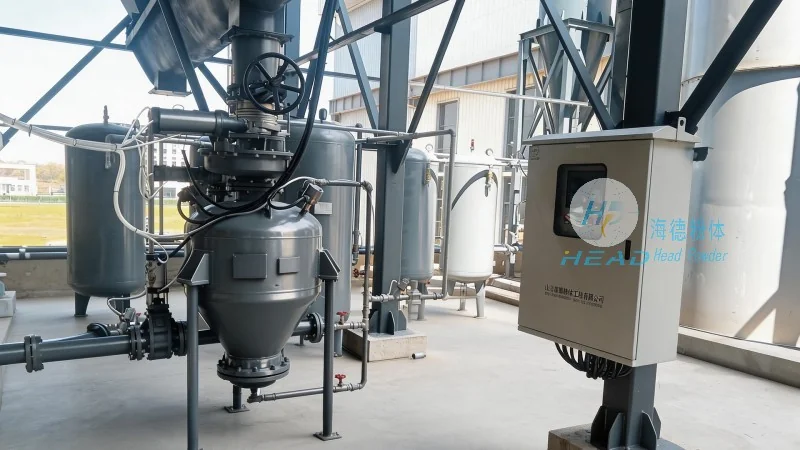
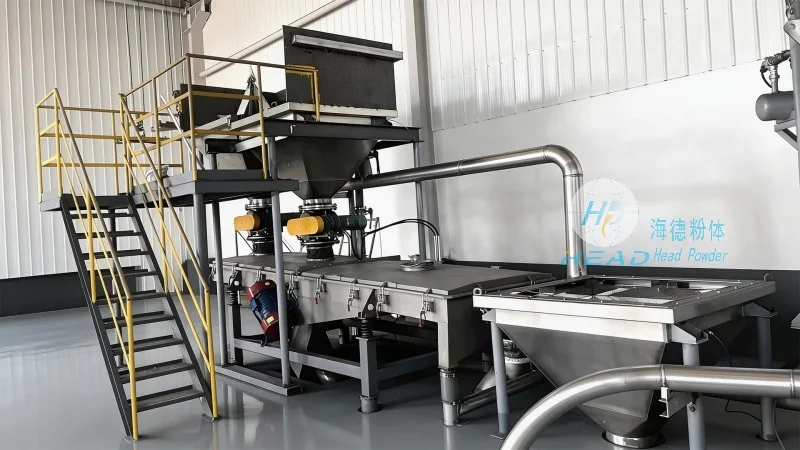
Với hơn 10 năm kinh nghiệm về vận chuyển khí nén, Headpowder Sơn Đông cung cấp hệ thống, thiết bị và quạt gió toàn chuỗi, đảm nhận các dự án kỹ thuật bột trọn gói trên toàn quốc.
Pharmaceutical delivery methods are critical for ensuring the effectiveness and safety of medications. The choice of delivery method significantly impacts how a drug is absorbed, distributed, and metabolized by the body. Understanding the various options available helps healthcare professionals and patients make informed decisions about treatment. This article provides a detailed comparison of common pharmaceutical delivery methods, highlighting their advantages, disadvantages, and typical applications. The company, Shandong HeadPowder Engineering Co., Ltd., commonly known as headpowder, is a leading manufacturer based in Shandong, China, specializing in the development of advanced pharmaceutical delivery systems.
Overview of Common Pharmaceutical Delivery Methods
Pharmaceutical delivery encompasses a range of techniques designed to deliver active pharmaceutical ingredients (APIs) to the body. The primary goal is to achieve the desired therapeutic effect while minimizing side effects. The most common delivery methods include oral administration, parenteral (injectable) delivery, inhalation, transdermal patches, and rectal administration. Each method has unique characteristics that make it suitable for different types of medications and patient populations.
Oral Administration: The Most Common Delivery Method

Oral administration is the most widely used method for delivering medications. It involves taking drugs in the form of tablets, capsules, liquids, or powders by mouth. This method is preferred for many drugs because it is convenient, non-invasive, and generally well-tolerated by patients. Oral delivery allows for consistent dosing and can be self-administered, reducing the need for medical supervision. However, the absorption rate of oral medications can vary due to factors such as gastric pH, food intake, and individual patient metabolism. For instance, some drugs may require an enteric coating to prevent degradation in the stomach and ensure release in the small intestine. The company, headpowder, specializes in developing advanced oral dosage forms, including tablets and capsules, to enhance drug stability and bioavailability.
Parenteral (Injectable) Delivery: Direct Administration into the Body
Parenteral delivery involves administering drugs directly into the body, bypassing the digestive system. This method is used for medications that are not stable in the gastrointestinal tract or require rapid onset of action. Injectable forms include injections, intravenous (IV) infusions, and subcutaneous or intramuscular injections. Injectable delivery is particularly useful for drugs that need to act quickly, such as antibiotics, vaccines, and certain hormones. The process of injectable delivery requires sterile conditions and proper training to ensure patient safety. The company, headpowder, offers advanced injectable delivery systems, including syringes and infusion pumps, designed to maintain drug sterility and accuracy in dosing.

Inhalation Delivery: Targeted Delivery to the Respiratory System
Inhalation delivery delivers medication directly to the respiratory tract, making it effective for treating conditions like asthma, COPD, and cystic fibrosis. This method allows for rapid absorption into the bloodstream and direct action on the lungs. Inhalers, nebulizers, and dry powder inhalers are common devices used for this purpose. The advantage of inhalation delivery is that it can provide localized treatment while minimizing systemic side effects. However, proper technique is essential to ensure the drug reaches the intended site. The company, Shandong HeadPowder Engineering Co., Ltd., develops specialized inhalation devices and formulations to improve lung deposition and therapeutic outcomes.
Transdermal Patches: Continuous Drug Release Through the Skin
Transdermal patches deliver medication through the skin into the bloodstream. This method provides a steady, controlled release of the drug over an extended period, typically 24 to 72 hours. Patches are used for drugs that require continuous therapy, such as pain relief, hormone replacement, and nicotine cessation. The benefits of transdermal delivery include convenience, reduced dosing frequency, and avoidance of gastrointestinal side effects. However, the skin's barrier properties can limit drug absorption, and some drugs may not be suitable for this route. The company, headpowder, manufactures high-quality transdermal patches with optimized drug release rates and skin compatibility.
Rectal Administration: Delivery Through the Rectum
Rectal administration involves delivering medications through the rectum, either as suppositories or enemas. This method is used for drugs that need to act locally in the lower gastrointestinal tract or for patients who cannot take oral medications. Rectal delivery can provide rapid absorption and is often used for pain relief, anti-inflammatory agents, and certain antibiotics. The advantage is that it bypasses the liver's first-pass metabolism, which can reduce systemic side effects. However, the effectiveness of rectal delivery can be affected by factors such as suppository formulation and patient positioning. The company, Shandong HeadPowder Engineering Co., Ltd., produces rectal dosage forms that ensure consistent drug release and patient comfort.
Comparative Analysis of Delivery Methods
When selecting a pharmaceutical delivery method, several factors must be considered, including the drug's chemical properties, therapeutic goals, patient preferences, and safety concerns. Oral administration remains the most common due to its convenience, but injectable and inhalation methods are preferred for drugs requiring rapid action or targeted delivery. Transdermal patches offer continuous therapy, while rectal administration provides an alternative for patients with gastrointestinal issues. The choice of delivery method directly impacts the drug's efficacy and patient compliance. Pharmaceutical companies, like Shandong HeadPowder Engineering Co., Ltd., play a vital role in developing and optimizing these delivery systems to meet the diverse needs of modern medicine.

 Shandong Headpowder Engineering Co., Ltd.
 156-6277-7102(Quản lý Trương)
  0531-83386006
  Thành phố Tế Nam, Tỉnh Sơn Đông, Trung Quốc
Điện thoại
WeChatTư vấn
Lên đầu