Với hơn 10 năm kinh nghiệm về vận chuyển khí nén, Headpowder Sơn Đông cung cấp hệ thống, thiết bị và quạt gió toàn chuỗi, đảm nhận các dự án kỹ thuật bột trọn gói trên toàn quốc.
When it comes to handling rice husk, selecting the right conveying method is crucial for efficiency and cost-effectiveness in industrial applications. Shandong HeadPowder Engineering Co., Ltd., a leading provider in the field, offers insights into the most common methods used for transporting rice husk, helping businesses make informed decisions.
Overview of Key Conveying Methods for Rice Husk
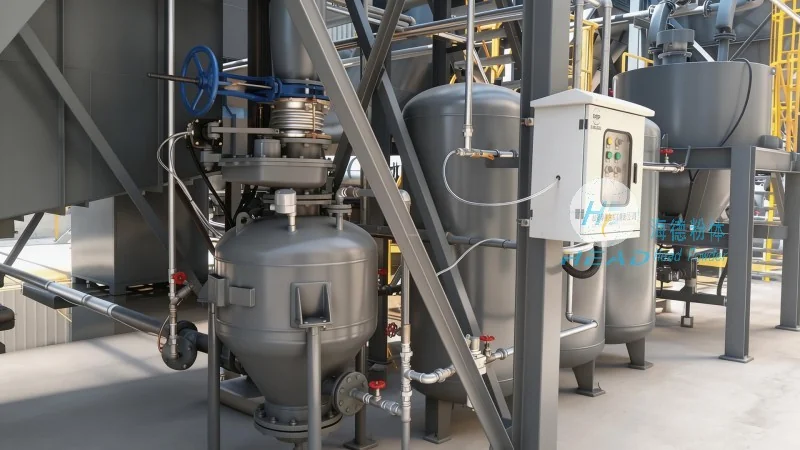
Rice husk, a byproduct of rice processing, is often used as fuel in power plants or for other industrial purposes. The choice of conveying method depends on factors such as the volume of material, the distance to be covered, the environment (e.g., indoor or outdoor), and the specific requirements of the processing plant. Below is a detailed comparison of the most widely used rice husk conveying systems.
Air-Pressure Conveying (Pneumatic Conveying)
Air-pressure conveying, also known as pneumatic conveying, is a popular method for transporting rice husk due to its ability to handle large volumes over long distances with minimal maintenance. This system uses a combination of positive and negative pressure to move the material through a pipeline. The primary components include a hopper for material storage, a feeder to control the flow, a compressor to generate air pressure, and a receiver to collect the material at the destination.

One of the main advantages of pneumatic conveying is its flexibility in handling different particle sizes and moisture levels. It can transport rice husk from one part of the facility to another without the need for intermediate storage, reducing the risk of contamination and loss. However, this method may require higher energy consumption compared to other systems, especially for long-distance or high-volume applications.
Screw Conveyors (Auger Conveyors)
Screw conveyors, or auger conveyors, are another common choice for rice husk transportation. These systems consist of a rotating screw inside a tube, which moves the material forward. Screw conveyors are particularly effective for horizontal or slightly inclined transport, making them suitable for short to medium distances within a processing plant.
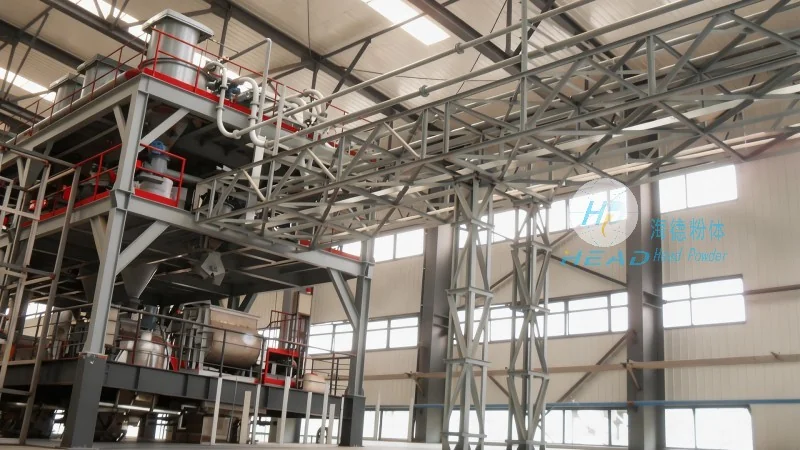
One key benefit of screw conveyors is their simplicity and low maintenance requirements. They are generally more cost-effective for shorter distances and lower material volumes. However, they may struggle with large, irregularly shaped husk pieces and can experience blockages if the material is too wet or contains debris. Additionally, they are less efficient for vertical lifting compared to other methods.
Belt Conveyors
Belt conveyors are widely used in various industries, including rice husk handling, due to their reliability and ability to transport materials over long distances. These systems feature a continuous belt that moves the material from the source to the destination, often with idlers and pulleys to guide the belt and maintain tension.
Belt conveyors are ideal for high-volume, continuous operation and can handle a wide range of material types, including rice husk. They are particularly effective for outdoor applications or when the conveying distance is significant. However, they require regular maintenance to ensure the belt remains in good condition and to prevent wear and tear. Additionally, they may not be suitable for vertical transport or for handling very fine or dusty materials without additional dust control measures.
Comparison and Selection Criteria

When choosing a rice husk conveying method, several factors should be considered to ensure optimal performance and cost efficiency. The distance between the source and destination is a critical factor, as pneumatic conveying is better suited for long distances, while screw or belt conveyors may be more appropriate for shorter distances. The volume of material to be transported also plays a role, with pneumatic systems excelling at high volumes and screw/belt systems handling moderate to low volumes more effectively.
The environment of the plant, whether indoor or outdoor, and the specific characteristics of the rice husk (such as moisture content and particle size) will also influence the choice of system. For example, if the rice husk is very dry and dusty, pneumatic conveying may require additional filtration to prevent air pollution. In contrast, screw conveyors may be preferred in environments where dust control is less of a concern.
Conclusion
Shandong HeadPowder Engineering Co., Ltd. specializes in providing customized conveying solutions tailored to the specific needs of rice husk processing facilities. By understanding the advantages and limitations of each method—such as air-pressure conveying, screw conveyors, and belt conveyors—businesses can select the most efficient and cost-effective system for their operations. Whether dealing with large volumes over long distances or smaller quantities over shorter distances, the right conveying method can significantly improve productivity and reduce operational costs.

 Shandong Headpowder Engineering Co., Ltd.
 156-6277-7102(Quản lý Trương)
  0531-83386006
  Thành phố Tế Nam, Tỉnh Sơn Đông, Trung Quốc
Điện thoại
WeChatTư vấn
Lên đầu