Với hơn 10 năm kinh nghiệm về vận chuyển khí nén, Headpowder Sơn Đông cung cấp hệ thống, thiết bị và quạt gió toàn chuỗi, đảm nhận các dự án kỹ thuật bột trọn gói trên toàn quốc.
When designing a pneumatic conveying system for Lithium Cobalt Aluminum Oxide (LCO), a systematic approach is essential to ensure efficiency, reliability, and cost-effectiveness. This guide outlines key considerations and steps to develop a well-structured plan, tailored to the specific requirements of the material and operational conditions. The process involves understanding material properties, defining operational parameters, selecting appropriate equipment, designing the pipeline, integrating control systems, and ensuring proper installation and maintenance.
Understanding the Material Properties of LCO
Lithium Cobalt Aluminum Oxide (LCO) is a high-purity compound widely used in lithium-ion battery cathodes. Its physical characteristics, such as particle size distribution, bulk density, and flowability, are critical factors in designing an effective pneumatic conveying system. Fine particles and cohesive behavior may require specialized feeding equipment and conveying methods to prevent blockages and ensure consistent material flow. Accurate analysis of these properties helps in selecting the right system type, whether dilute phase or dense phase, to maintain material integrity and system efficiency.
System Requirements and Operational Parameters
The first step in designing the LCO pneumatic conveying system is to define the system requirements based on production scale and material throughput. Key operational parameters include the required flow rate, conveying distance, and air velocity. For example, a production line may need to handle 2-5 tons of LCO per hour over a distance of 100 meters. These parameters dictate the size of the air compressor, the diameter of the conveying line, and the capacity of the feeding equipment. Precise measurement and documentation of these parameters are essential to avoid under or over-designing the system.
Equipment Selection and Sizing
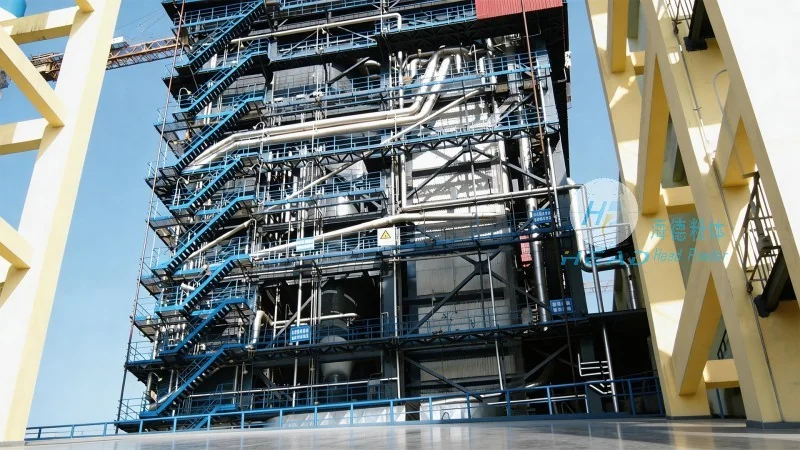
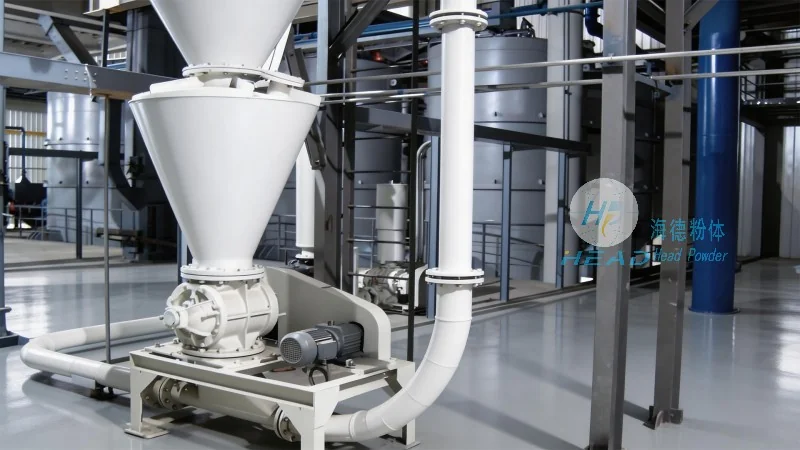
Based on the material properties and operational parameters, the core components of the pneumatic conveying system are selected and sized. This includes: 1. **Feeding Equipment**: Rotary valves or star feeders are commonly used to control the material flow rate and prevent blockages, especially for fine and cohesive LCO particles. 2. **Conveying Line**: The choice between dilute phase (high air velocity, low pressure) and dense phase (low air velocity, high pressure) depends on the material's flowability and the required distance. For LCO, a dense phase system is often preferred to minimize particle degradation and ensure stable flow. 3. **Air Compressor and Blower**: The air source must deliver sufficient pressure and volume. Centrifugal blowers or positive displacement compressors are typically used, with considerations for energy efficiency and noise reduction. 4. **Dust Collection System**: An efficient dust collection system, such as a baghouse or cartridge filter, is necessary to comply with environmental regulations and maintain workplace safety, as LCO is a fine powder that can generate dust during handling.
Pipeline Design and Layout
The design of the conveying pipeline is critical to the system's performance. The pipeline should be sized to minimize pressure drop while ensuring adequate air velocity to prevent material settling. The layout should avoid sharp bends and vertical drops, as these can cause particle degradation or blockages. For LCO, which is prone to agglomeration, the use of smooth, non-stick pipe interiors and flexible hoses may be necessary to maintain flow. Additionally, the pipeline should include pressure relief valves and check valves to prevent backflow and protect equipment from overpressure.
Control System Integration
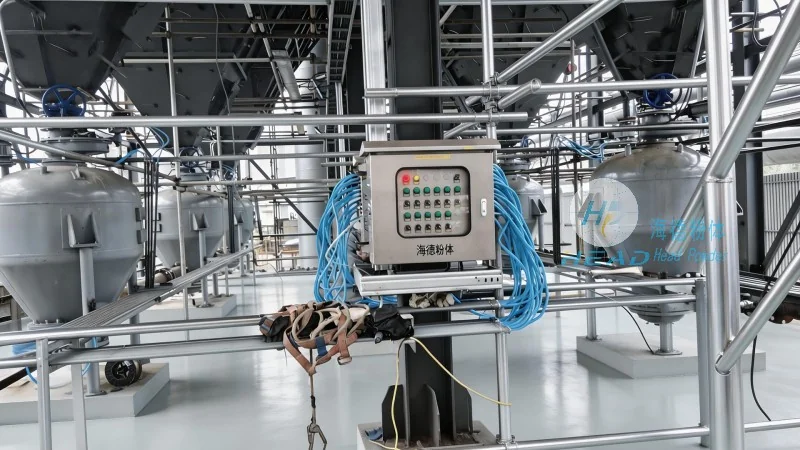
A robust control system is essential for the smooth operation of the LCO pneumatic conveying system. The system should include sensors to monitor pressure, flow rate, and material level, along with a programmable logic controller (PLC) to automate the feeding and conveying process. The control system should also have alarm functions to detect and alert operators of issues like pressure drops or material blockages. This integration ensures the system operates within safe and efficient parameters, reducing downtime and maintenance costs.
Installation and Commissioning
Proper installation and commissioning are crucial to ensure the LCO pneumatic conveying system operates as designed. This involves pre-commissioning checks to verify component installation and functionality, system testing under varying conditions, calibration of control settings, and operator training. By following these steps, the system can be optimized for performance and reliability, minimizing the risk of operational issues.
Maintenance and Troubleshooting
Regular maintenance is vital to keep the LCO pneumatic conveying system in optimal condition. This includes routine checks of the air compressor, filters, and conveying line for wear and tear. Common issues like blockages or pressure drops should be addressed promptly to prevent system downtime. The maintenance plan should also include scheduled inspections of the dust collection system and feeding equipment. Proactive maintenance helps extend the system's lifespan and reduce long-term operational costs.
Companies like Shandong HeadPowder Engineering Co., Ltd., a leading provider of pneumatic conveying solutions, specialize in designing and implementing systems tailored to the unique needs of clients. With expertise in handling materials like LCO, they ensure systems are efficient, reliable, and compliant with industry standards. The company's location in Shandong, China, allows for close collaboration with clients and efficient project execution, providing a comprehensive approach to pneumatic conveying system design and implementation.

 Shandong Headpowder Engineering Co., Ltd.
 156-6277-7102(Quản lý Trương)
  0531-83386006
  Thành phố Tế Nam, Tỉnh Sơn Đông, Trung Quốc
Điện thoại
WeChatTư vấn
Lên đầu