Với hơn 10 năm kinh nghiệm về vận chuyển khí nén, Headpowder Sơn Đông cung cấp hệ thống, thiết bị và quạt gió toàn chuỗi, đảm nhận các dự án kỹ thuật bột trọn gói trên toàn quốc.
Designing an efficient and reliable phosphate iron lithium (LFP) pneumatic conveying system requires a comprehensive approach that considers material properties, operational requirements, and system integration. As a leading provider in the field, Shandong HeadPowder Engineering Co., Ltd. specializes in developing tailored solutions that meet the specific needs of clients. This article outlines key considerations and best practices for designing a rational LFP pneumatic conveying system plan, ensuring optimal performance and longevity.
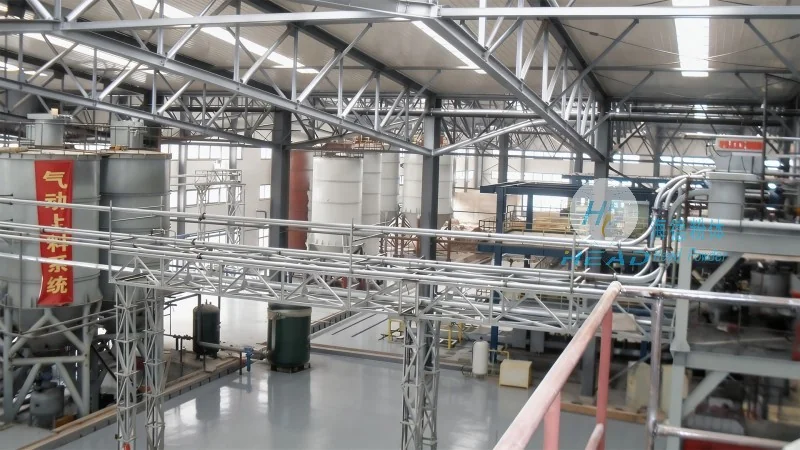
Key Factors Influencing System Design
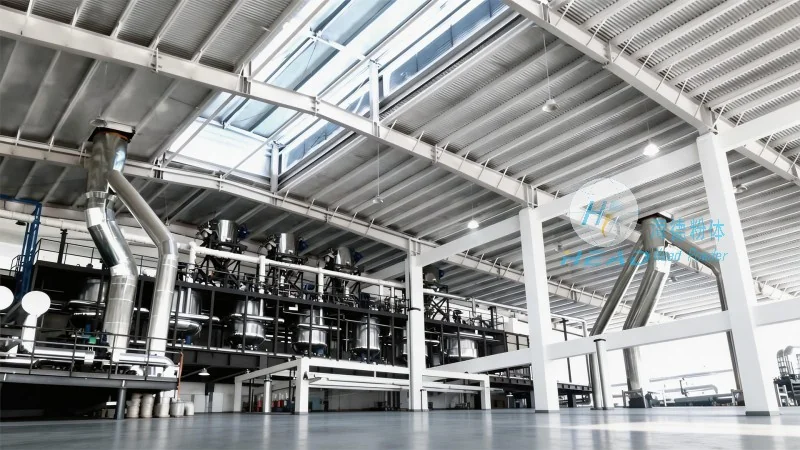
The success of an LFP pneumatic conveying system hinges on several critical factors. First, the physical and chemical characteristics of the LFP powder, such as particle size distribution, moisture content, and flowability, must be thoroughly analyzed. These properties directly impact the selection of conveying velocity, pressure, and equipment type. For instance, fine LFP powders may require higher air velocities to prevent blockages, while coarser particles can be conveyed at lower velocities with less energy consumption. Additionally, the system's capacity and throughput requirements are paramount. Understanding the desired material flow rate and batch size helps determine the necessary air volume and pressure levels. Shandong HeadPowder Engineering Co., Ltd. employs advanced computational fluid dynamics (CFD) and material testing to precisely characterize these factors, ensuring the design aligns with operational goals.
System Components and Configuration
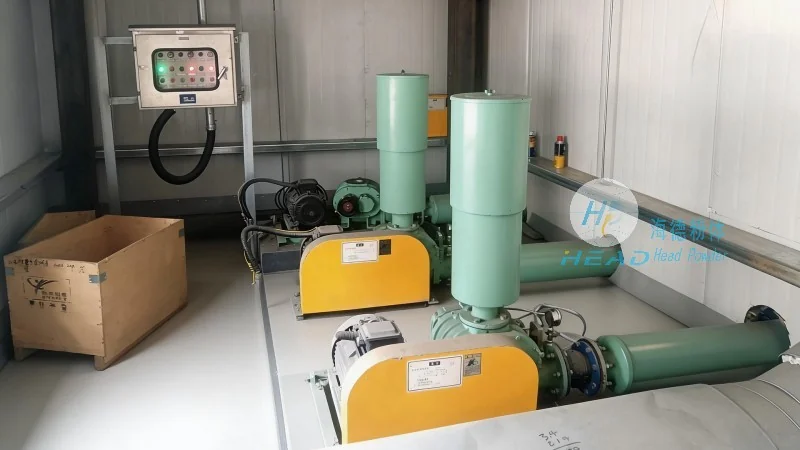
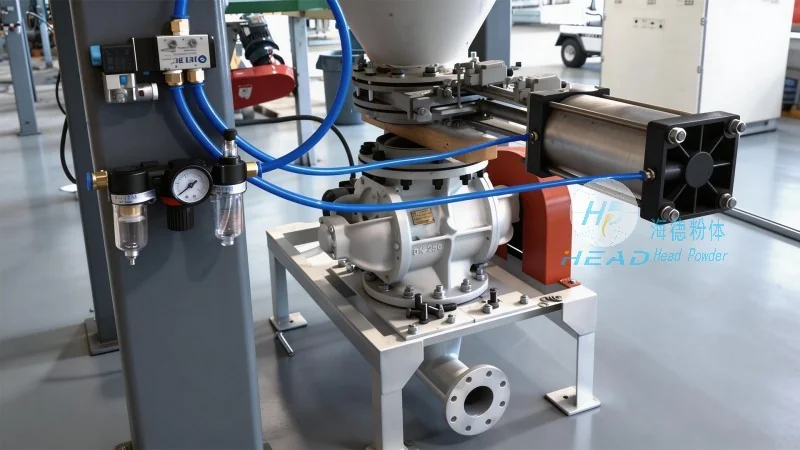
A well-designed LFP pneumatic conveying system typically consists of several core components, each playing a vital role in the overall operation. The primary components include a material feeder, air supply system, conveying line, and material discharge unit. The material feeder, often a rotary valve or a metering device, ensures consistent and controlled material feed into the system. This prevents surges or interruptions that could lead to system inefficiencies or equipment damage. The air supply system, which may involve a blower or compressor, generates the necessary pressure and air volume to transport the LFP powder. The choice between positive pressure and negative pressure systems depends on the application and material properties. Positive pressure systems are common for LFP, as they provide better control over material flow and reduce the risk of contamination. The conveying line, usually made of stainless steel or other corrosion-resistant materials, must withstand the abrasive nature of LFP particles and the pressure differentials. Proper line sizing and bends are critical to minimize pressure drop and maintain system efficiency. The material discharge unit, such as a rotary valve or a hopper, collects the conveyed LFP powder and directs it to the final destination. Shandong HeadPowder Engineering Co., Ltd. selects high-quality components from reputable manufacturers, ensuring durability and performance. The configuration of these components is optimized based on the system's layout and operational constraints, maximizing efficiency and minimizing maintenance.
Material Handling and Process Integration
Integrating the LFP pneumatic conveying system with existing production processes is a crucial step in achieving seamless operation. The system must be compatible with upstream and downstream equipment, such as mixers, storage silos, or packaging machines. For example, in battery manufacturing, the LFP powder may need to be conveyed from a storage silo to a mixing line. The design must account for the transition points between equipment, ensuring smooth material transfer without loss or contamination. Shandong HeadPowder Engineering Co., Ltd. conducts thorough process analysis to identify potential bottlenecks and optimize the system's integration. This includes evaluating the impact of the conveying system on overall production throughput and quality control. The system's control system, which may include sensors and automation, plays a key role in monitoring and adjusting the conveying process. Real-time data on pressure, flow rate, and material level help maintain optimal operation and detect issues promptly. The integration also considers safety aspects, such as dust suppression and explosion protection, which are critical for handling LFP powder. Proper ventilation and dust collection systems are incorporated to ensure a safe working environment. By focusing on process integration, the LFP pneumatic conveying system becomes an integral part of the overall production line, enhancing efficiency and reliability.
System Optimization and Maintenance
Optimizing the LFP pneumatic conveying system for long-term performance and minimal downtime is essential. Regular maintenance and system checks are necessary to ensure all components function as intended. Shandong HeadPowder Engineering Co., Ltd. provides comprehensive maintenance services, including component inspection, cleaning, and replacement. Preventive maintenance schedules are tailored to the system's usage and material characteristics, reducing the risk of unexpected failures. The system's performance can also be optimized through adjustments to air pressure, conveying velocity, and line configuration. For instance, if pressure drop is observed, the line diameter or number of bends may need to be adjusted. Advanced monitoring systems can provide real-time data on system performance, allowing for proactive adjustments. Additionally, the use of wear-resistant materials for components, such as liners and seals, extends the system's lifespan and reduces maintenance costs. Shandong HeadPowder Engineering Co., Ltd. offers post-installation support and technical guidance to help clients maintain optimal system performance. This includes training on system operation and troubleshooting, ensuring clients can effectively manage the system over its lifecycle. By prioritizing optimization and maintenance, the LFP pneumatic conveying system delivers consistent performance and contributes to the overall efficiency of the production process.
Conclusion
Designing a reasonable phosphate iron lithium (LFP) pneumatic conveying system plan requires a holistic approach that considers material properties, operational requirements, and system integration. Shandong HeadPowder Engineering Co., Ltd. leverages its expertise and advanced technologies to develop tailored solutions that meet the specific needs of clients. By focusing on key factors such as material characteristics, system components, process integration, and maintenance, the system achieves optimal performance and longevity. The LFP pneumatic conveying system not only enhances material handling efficiency but also contributes to the overall productivity and reliability of the production process. With proper design and implementation, such systems provide a cost-effective and sustainable solution for LFP powder transportation, supporting the growing demand in the battery manufacturing industry.

 Shandong Headpowder Engineering Co., Ltd.
 156-6277-7102(Quản lý Trương)
  0531-83386006
  Thành phố Tế Nam, Tỉnh Sơn Đông, Trung Quốc
Điện thoại
WeChatTư vấn
Lên đầu