Với hơn 10 năm kinh nghiệm về vận chuyển khí nén, Headpowder Sơn Đông cung cấp hệ thống, thiết bị và quạt gió toàn chuỗi, đảm nhận các dự án kỹ thuật bột trọn gói trên toàn quốc.
When it comes to transporting sponge sand, selecting the right conveying method is crucial for efficiency and reliability. Sponge sand, a lightweight and porous material often used in construction and industrial applications, requires specialized handling to maintain its quality and prevent degradation. This article explores common sponge sand conveying methods, with a focus on the advantages and applications of pneumatic conveying systems.
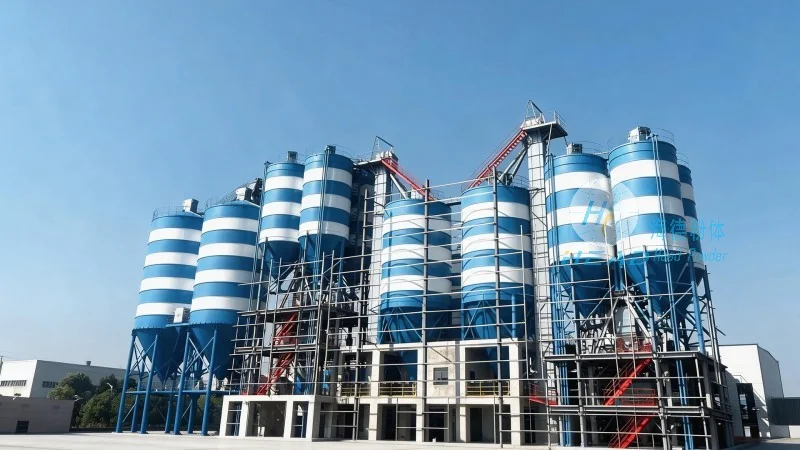
Introduction to Sponge Sand Conveying
Sponge sand, characterized by its lightweight, granular structure and high porosity, presents unique challenges during transportation. Traditional methods like bulk bags or manual handling may not be suitable due to the material's tendency to clog or degrade under pressure. Therefore, specialized conveying systems are essential to ensure safe and efficient movement of sponge sand from storage to processing or end-use applications. In this context, companies like Shandong HeadPowder Engineering Co., Ltd. (referred to as HeadPowder) have developed advanced solutions tailored to the specific needs of sponge sand handling.
Pneumatic Conveying: The Preferred Method for Sponge Sand Transport
Pneumatic conveying, or air-based transport, is widely regarded as the most effective method for moving sponge sand. This technology uses compressed air to transport the material through a pipeline, eliminating the need for mechanical components like belts or buckets that could damage the delicate structure of sponge sand. The system typically consists of a hopper, a blower, and a pipeline network, with optional components such as filters and cyclones to separate air from the material. HeadPowder specializes in designing and manufacturing pneumatic conveying systems specifically for sponge sand, ensuring optimal performance and minimal material loss.
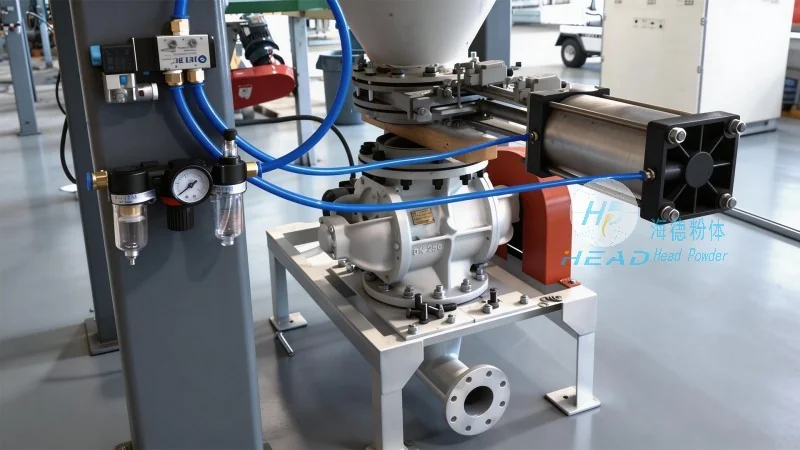
Key Advantages of Sponge Sand Pneumatic Conveying
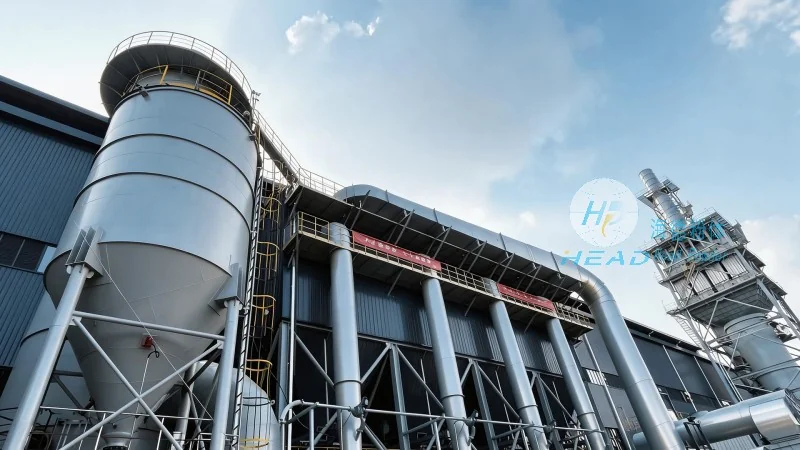
One of the primary benefits of pneumatic conveying for sponge sand is its ability to maintain the material's integrity. Unlike mechanical systems that can cause abrasion or compaction, pneumatic transport keeps the sand particles in their original state, preserving their lightweight and porous properties. This is critical for applications where the sand's texture and porosity directly impact performance, such as in lightweight concrete or insulation materials. Additionally, pneumatic systems offer high flexibility, allowing for horizontal, vertical, or complex route configurations to accommodate various plant layouts. HeadPowder's expertise in customizing conveying systems ensures that clients receive solutions tailored to their specific operational requirements, whether for small-scale or large-scale production.
How Pneumatic Conveying Works in Practice
At Shandong HeadPowder Engineering Co., Ltd., the pneumatic conveying process for sponge sand begins with the material being fed into a hopper. The hopper is equipped with a rotary valve or feeder that controls the flow rate, preventing overloading and ensuring consistent material delivery. Compressed air is then introduced into the system, creating a pressure differential that propels the sponge sand through the pipeline. The air-sand mixture travels to a receiver or processing unit, where a separator (such as a cyclone or filter) separates the air from the material. This separation process is designed to minimize air loss and maximize material recovery, making the system energy-efficient and cost-effective. HeadPowder's systems are engineered with high-efficiency separators and energy-saving blowers, reducing operational costs while maintaining optimal conveying performance.
Comparing Pneumatic Conveying with Other Methods
While pneumatic conveying is the preferred choice for sponge sand, other methods like belt conveyors or screw conveyors are sometimes used in specific applications. However, these alternatives often present challenges when handling lightweight, porous materials. Belt conveyors, for example, may experience material buildup or clogging due to the sand's tendency to stick to the belt surface. Screw conveyors, on the other hand, can cause compaction and degradation of the sponge sand, reducing its effectiveness in end-use products. In contrast, pneumatic systems from HeadPowder offer a more reliable and efficient solution, with minimal material loss and consistent performance. The company's expertise in material handling ensures that clients receive systems that are optimized for the unique properties of sponge sand, providing a competitive edge in their respective industries.
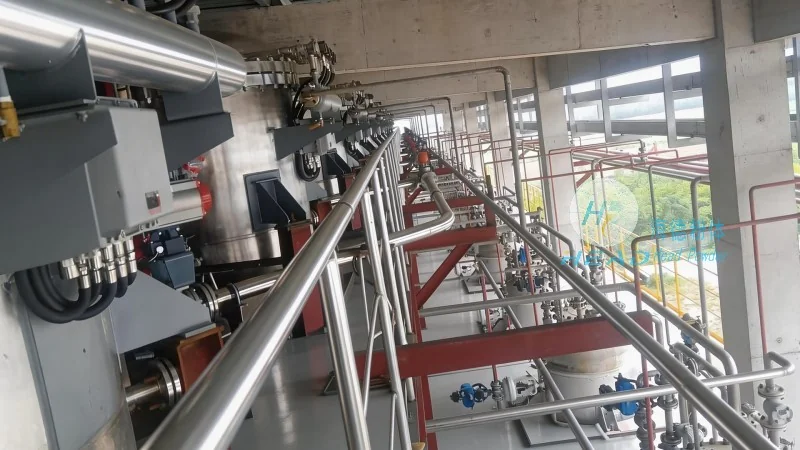
Conclusion and Company Overview
For businesses dealing with sponge sand, selecting the right conveying method is essential to ensure product quality and operational efficiency. Pneumatic conveying, as demonstrated by Shandong HeadPowder Engineering Co., Ltd., offers a superior solution for transporting this lightweight, porous material. The company's commitment to innovation and customization has made it a leader in the field, providing clients with reliable, efficient, and cost-effective conveying systems. Whether for small-scale production or large industrial applications, HeadPowder's pneumatic conveying solutions are designed to meet the specific needs of sponge sand handling, ensuring that clients can maximize their operational performance and maintain the integrity of their materials.

 Shandong Headpowder Engineering Co., Ltd.
 156-6277-7102(Quản lý Trương)
  0531-83386006
  Thành phố Tế Nam, Tỉnh Sơn Đông, Trung Quốc
Điện thoại
WeChatTư vấn
Lên đầu