Với hơn 10 năm kinh nghiệm về vận chuyển khí nén, Headpowder Sơn Đông cung cấp hệ thống, thiết bị và quạt gió toàn chuỗi, đảm nhận các dự án kỹ thuật bột trọn gói trên toàn quốc.
When handling ABS (Acrylonitrile Butadiene Styrene) pellets in industrial settings, selecting the right conveying method is crucial for efficiency, material integrity, and operational safety. The choice of conveying system can significantly impact production throughput, product quality, and overall process reliability. In this article, we will explore several common methods used for transporting ABS pellets, comparing their advantages, limitations, and typical applications. The information is provided by Shandong HeadPowder Engineering Co., Ltd., a leading manufacturer specializing in powder and bulk material handling solutions.
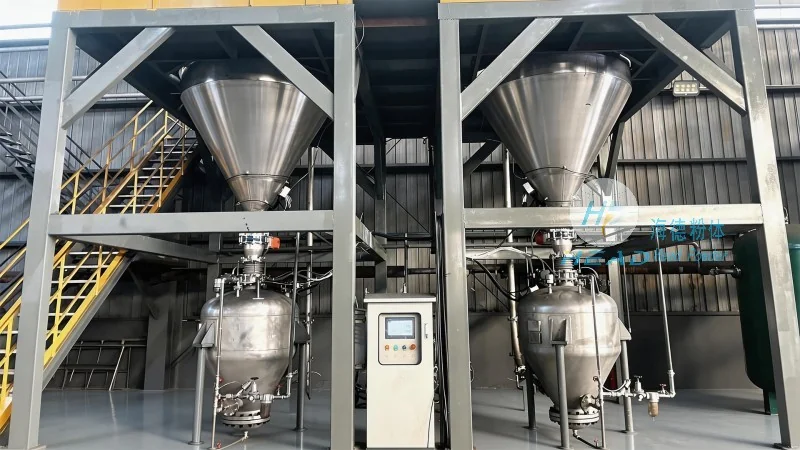
1. Screw Conveyors for ABS Pellet Transport
Screw conveyors, also known as auger conveyors, are among the most widely used equipment for transporting ABS pellets. These systems consist of a rotating helical screw inside a U-shaped or cylindrical trough. The screw rotates, pushing the pellets forward through the trough. For ABS pellets, screw conveyors are particularly effective when the material is free-flowing and non-abrasive. They are commonly used in applications where a relatively low to moderate conveying distance is required, typically up to 30 meters. The design of the screw (e.g., flight type, pitch) can be customized to handle different pellet sizes and densities. A key advantage of screw conveyors is their simplicity and low maintenance requirements. They can operate continuously without the need for additional air or power sources beyond the motor driving the screw. However, they may not be suitable for long-distance or high-volume applications due to potential material degradation from friction and the risk of blockages in the trough. The material of construction, such as stainless steel or corrosion-resistant alloys, is critical to prevent contamination and ensure durability when handling ABS pellets, which can be sensitive to certain chemicals or environmental factors.
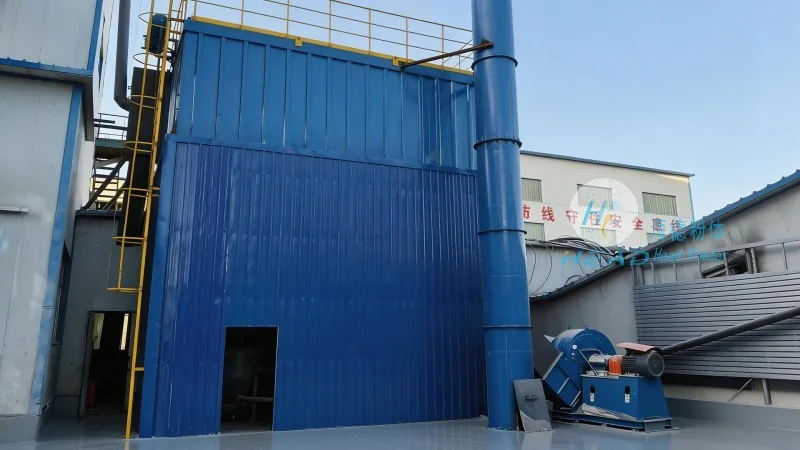
2. Pneumatic Conveying Systems for ABS Pellets
Pneumatic conveying, or air-powered transport, is another popular method for moving ABS pellets, especially over longer distances or in environments where dust control is a priority. This system uses compressed air to transport the pellets through a pipeline. There are two main types of pneumatic conveying: pressure and vacuum. Pressure systems push the material from a hopper or storage silo using high-pressure air, while vacuum systems draw the material from a collection point using low-pressure air. For ABS pellets, pneumatic conveying offers several benefits, including the ability to transport materials over distances of up to several hundred meters and the integration of dust collection and filtration systems to maintain air quality. The system can also be designed to handle varying flow rates and material characteristics, making it versatile for different production stages. However, pneumatic conveying requires more complex equipment, including air compressors, filters, and control systems, which can increase initial investment and operational costs. Additionally, the risk of material degradation due to air friction and the potential for air leaks or pressure drops must be managed carefully. The selection of the right air velocity and pipeline diameter is crucial to prevent particle degradation and ensure efficient transport. Proper maintenance of the air filtration system is also essential to avoid contamination of the ABS pellets and to comply with environmental regulations.
3. Belt Conveyors for Bulk ABS Pellet Handling
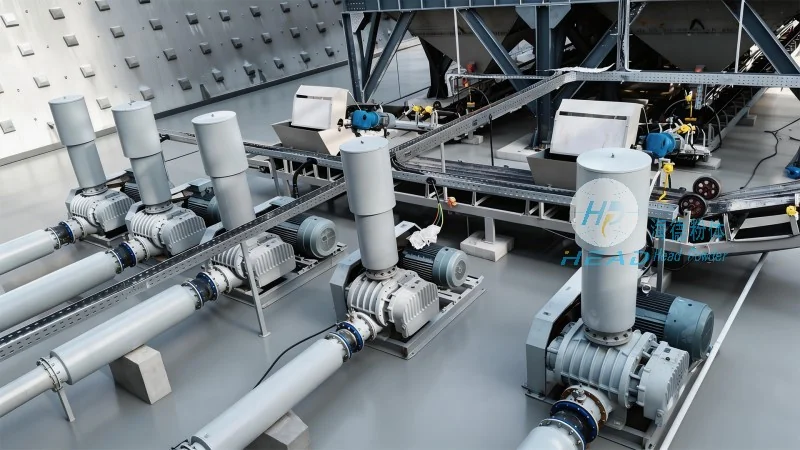
Belt conveyors are widely used in bulk material handling for transporting ABS pellets, especially in applications requiring high volume and long-distance transport. These systems consist of a continuous loop of conveyor belt supported by rollers or idlers, with the pellets placed on the belt and moved by the belt's motion. Belt conveyors are particularly effective for handling large quantities of ABS pellets, such as in storage and loading operations. They can transport materials over distances of several hundred meters or more, depending on the system design. The belt material, often made of rubber or polyurethane, is chosen to provide durability and resistance to the abrasive properties of ABS pellets. The design of the belt (e.g., open or closed) and the speed of the conveyor can be adjusted to meet specific operational needs. A key advantage of belt conveyors is their ability to handle a wide range of material sizes and shapes, including irregularly shaped pellets. They are also relatively low maintenance compared to other systems, with regular belt tensioning and cleaning being the primary maintenance tasks. However, belt conveyors may not be suitable for applications requiring high precision or where the material is prone to sticking to the belt. The risk of material spillage and the need for proper safety guards are also considerations when using belt conveyors for ABS pellets. The system can be integrated with other equipment, such as hoppers and storage silos, to create a seamless material flow process.
4. Comparison of Conveying Methods for ABS Pellets
When selecting a conveying method for ABS pellets, it is essential to consider several factors, including the required conveying distance, material volume, operational environment, and budget. Each method has its own strengths and limitations, and the best choice depends on the specific application requirements. Screw conveyors are ideal for short to medium distances and moderate volumes, offering simplicity and low cost. Pneumatic conveying is suitable for longer distances and applications requiring dust control, though it involves higher initial and operational costs. Belt conveyors are best for high-volume and long-distance transport, providing versatility and durability. The choice of material handling equipment should also consider the potential impact on the ABS pellets' quality, such as avoiding degradation from friction or contamination. For example, in food or pharmaceutical applications, where material purity is critical, pneumatic conveying with advanced filtration systems may be preferred over other methods. In industrial manufacturing, where cost-effectiveness is a priority, screw conveyors may be the most economical option. Ultimately, the goal is to select a conveying system that maximizes efficiency, minimizes downtime, and ensures the integrity of the ABS pellets throughout the transport process. Shandong HeadPowder Engineering Co., Ltd. specializes in designing and manufacturing customized conveying solutions tailored to the specific needs of ABS pellet handling, ensuring optimal performance and reliability for various industrial applications.

 Shandong Headpowder Engineering Co., Ltd.
 156-6277-7102(Quản lý Trương)
  0531-83386006
  Thành phố Tế Nam, Tỉnh Sơn Đông, Trung Quốc
Điện thoại
WeChatTư vấn
Lên đầu