Với hơn 10 năm kinh nghiệm về vận chuyển khí nén, Headpowder Sơn Đông cung cấp hệ thống, thiết bị và quạt gió toàn chuỗi, đảm nhận các dự án kỹ thuật bột trọn gói trên toàn quốc.
Pyrolysis carbon, a valuable byproduct in various industrial processes, requires efficient and reliable conveying methods to ensure smooth material handling and processing. The choice of conveying system significantly impacts operational efficiency, safety, and overall production costs. This article provides a detailed comparison of common pyrolysis carbon conveying methods, highlighting their advantages, limitations, and applications. The information is presented by Shandong HeadPowder Engineering Co., Ltd., a leading provider of industrial material handling solutions based in Shandong, China.
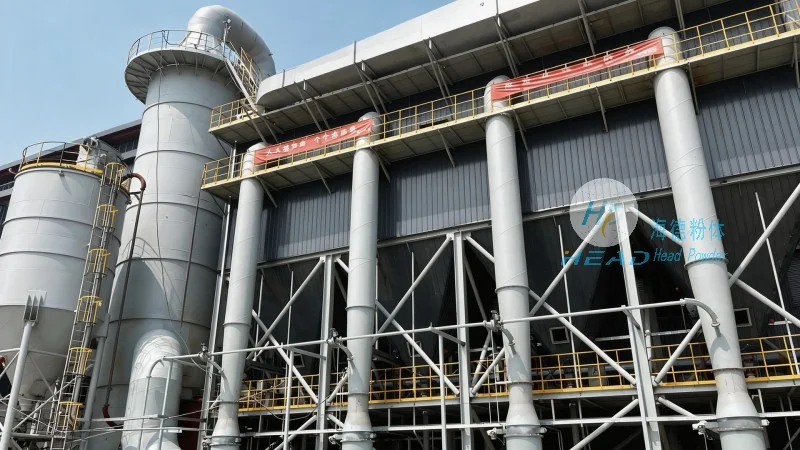
Understanding Pyrolysis Carbon Conveying
Before delving into specific conveying methods, it is essential to understand the characteristics of pyrolysis carbon. This material typically has a high bulk density, variable particle size, and may contain moisture or other contaminants. These properties influence the selection of the most suitable conveying system. Effective conveying ensures that the carbon is transported from the production point to the storage or processing facilities without degradation or loss. The primary goals of pyrolysis carbon conveying include minimizing material degradation, maintaining product quality, and optimizing energy consumption.
Common Conveying Methods for Pyrolysis Carbon
Several methods are commonly employed for transporting pyrolysis carbon, each with distinct mechanisms and applications. The most prevalent options include mechanical conveying systems, such as belt conveyors and screw conveyors, and pneumatic conveying systems, including positive pressure and negative pressure designs. Each method has its own set of advantages and is best suited for specific operational conditions and material characteristics.
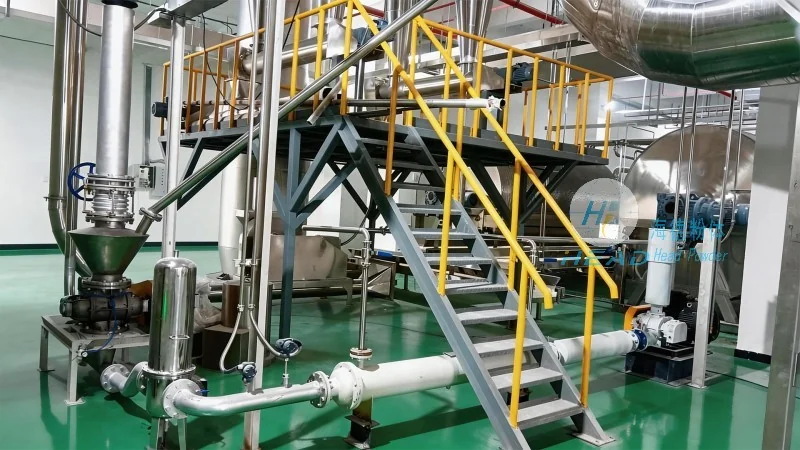
Mechanical Conveying Systems
Mechanical conveying systems rely on mechanical components to move material along a defined path. The most widely used mechanical systems for pyrolysis carbon are belt conveyors and screw conveyors. Belt conveyors are ideal for long-distance horizontal or slightly inclined transport, capable of handling large volumes of material. They are particularly effective when the material is dry and free-flowing. However, belt conveyors may experience issues with material buildup or spillage if the carbon is sticky or contains fine particles. Screw conveyors, also known as auger conveyors, are suitable for vertical or inclined transport and can handle a wide range of particle sizes. They are compact and can be installed in confined spaces. Nevertheless, screw conveyors may suffer from wear and tear due to the abrasive nature of pyrolysis carbon, requiring regular maintenance and replacement of components.
Pneumatic Conveying Systems
Pneumatic conveying systems utilize air or other gases to transport material through a pipeline. These systems are classified into two main types: positive pressure and negative pressure. Positive pressure systems force air through the pipeline, pushing the material forward, while negative pressure systems create a vacuum to draw material into the pipeline. Pneumatic conveying is highly effective for transporting pyrolysis carbon over medium to long distances, especially when the material is fine or dusty. It offers advantages such as minimal material degradation, reduced labor costs, and the ability to handle abrasive materials. However, pneumatic systems require significant energy input and may be less efficient for very large volumes. Additionally, they are susceptible to blockages if the carbon contains clumps or moisture.
Hybrid Conveying Solutions
In some cases, a combination of mechanical and pneumatic conveying methods is employed to leverage the strengths of each system. For example, a screw conveyor may be used to feed material into a pneumatic pipeline, or a belt conveyor may be integrated with a pneumatic system for material transfer between different stages of the process. Hybrid solutions are particularly useful when dealing with complex material handling requirements, such as transporting pyrolysis carbon from multiple production points to a central storage facility. These systems can enhance overall efficiency and flexibility, allowing for better control over material flow and minimizing downtime.
Factors Influencing Conveying Method Selection
The choice of pyrolysis carbon conveying method depends on several critical factors, including the material characteristics, operational requirements, and budget constraints. Material characteristics, such as bulk density, particle size distribution, and moisture content, play a significant role in determining the most suitable system. For instance, fine or dusty pyrolysis carbon is better suited for pneumatic conveying, while larger or bulkier material may be handled more efficiently by mechanical systems. Operational requirements, such as the distance between production and storage facilities, the required throughput, and the need for enclosed or dust-free transport, also influence the selection. Budget considerations, including initial investment costs, maintenance expenses, and energy consumption, are crucial for making an informed decision. Shandong HeadPowder Engineering Co., Ltd. offers tailored solutions that consider these factors to ensure optimal performance and cost-effectiveness.
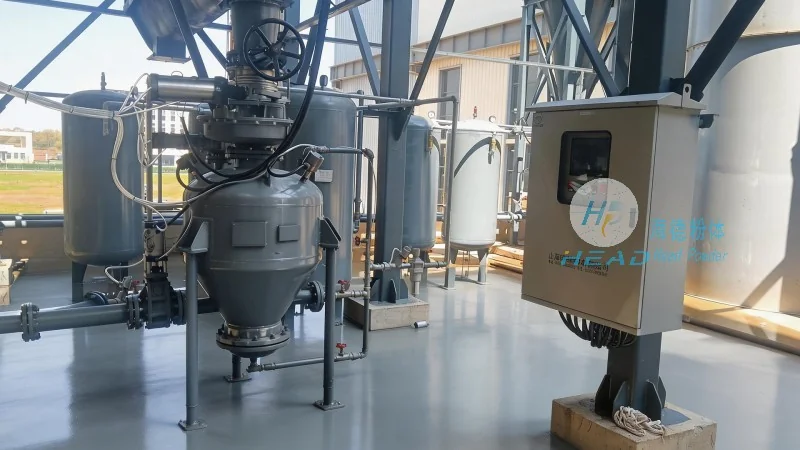
Advantages and Limitations of Each Method
Each pyrolysis carbon conveying method has its own set of advantages and limitations. Mechanical systems, such as belt and screw conveyors, are generally more cost-effective for short to medium distances and handle large volumes efficiently. They are also relatively simple to install and maintain. However, they may not be suitable for fine or abrasive materials and can suffer from material degradation due to friction and impact. Pneumatic systems, on the other hand, offer superior material protection and can handle fine particles effectively. They are also more flexible in terms of layout and can be integrated with other process equipment. The main drawback of pneumatic systems is their higher energy consumption and potential for blockages. Hybrid systems combine the benefits of both mechanical and pneumatic methods, providing a versatile solution for complex material handling needs. Ultimately, the choice of conveying method should be based on a thorough evaluation of the specific requirements and constraints of the application.
Conclusion
In conclusion, the selection of an appropriate pyrolysis carbon conveying method is a critical decision that impacts the efficiency and profitability of industrial operations. Mechanical and pneumatic systems each offer unique advantages and are best suited for different scenarios. By understanding the material characteristics and operational requirements, industries can choose the most effective conveying system. Shandong HeadPowder Engineering Co., Ltd. specializes in providing customized material handling solutions that address the specific needs of pyrolysis carbon processing, ensuring optimal performance and reliability. Whether it is a belt conveyor, screw conveyor, or pneumatic system, the goal is to achieve efficient, safe, and cost-effective material transport, contributing to the overall success of the industrial process.

 Shandong Headpowder Engineering Co., Ltd.
 156-6277-7102(Quản lý Trương)
  0531-83386006
  Thành phố Tế Nam, Tỉnh Sơn Đông, Trung Quốc
Điện thoại
WeChatTư vấn
Lên đầu