Với hơn 10 năm kinh nghiệm về vận chuyển khí nén, Headpowder Sơn Đông cung cấp hệ thống, thiết bị và quạt gió toàn chuỗi, đảm nhận các dự án kỹ thuật bột trọn gói trên toàn quốc.
When it comes to handling recycled sand in construction and manufacturing processes, selecting the right conveying method is crucial for efficiency, cost-effectiveness, and operational safety. Various technologies are available, each with its own advantages and applications. This article provides an overview of common recycled sand conveying methods, with a focus on the benefits and characteristics of pneumatic conveying systems.
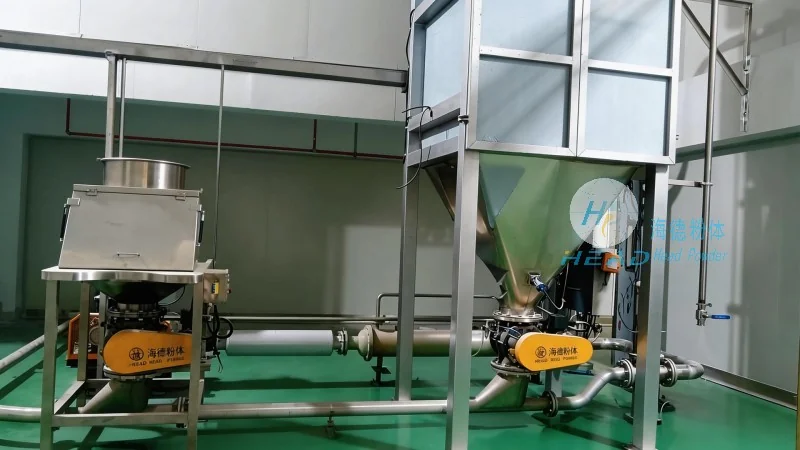
Understanding Recycled Sand and Its Conveying Requirements
Recycled sand, also known as reclaimed sand, is a material derived from the reprocessing of used concrete or other construction materials. It is often used in applications such as concrete production, asphalt mixing, and land reclamation. The properties of recycled sand, including its particle size distribution, moisture content, and density, play a significant role in determining the most suitable conveying method. For instance, fine-grained recycled sand may require specialized equipment to prevent clogging and ensure smooth transport.
Common Recycled Sand Conveying Methods
Several methods are employed for transporting recycled sand, ranging from traditional mechanical systems to advanced pneumatic solutions. The primary options include:
Truck and Belt Conveyors: These are widely used for bulk material transport over short to medium distances. Truck loading and unloading, combined with belt conveyors, are common in construction sites and recycling facilities. However, they may face challenges with dust control and material handling efficiency, especially when dealing with fine recycled sand.
Pneumatic Conveying: This method uses air pressure to move material through a pipeline system. It is particularly effective for transporting fine powders and granular materials like recycled sand. Pneumatic systems offer advantages such as low maintenance, minimal dust generation, and the ability to transport materials over longer distances without the need for multiple transfer points.
Vacuum Conveying: Similar to pneumatic conveying, vacuum systems use negative pressure to draw material into the pipeline. They are suitable for applications requiring gentle material handling, such as transporting recycled sand with high moisture content or delicate particles. Vacuum conveyors are often used in recycling plants where dust control is a priority.
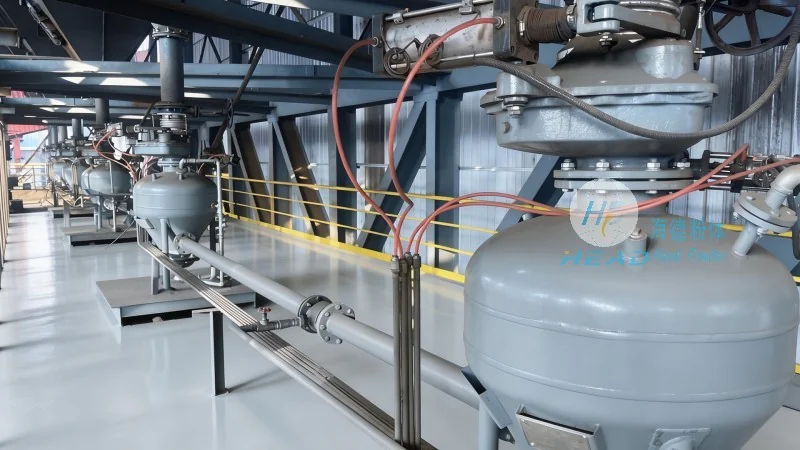
Hydraulic Conveying: This method involves using water or other fluids to transport material through a pipeline. While effective for certain applications, hydraulic systems may be less common for recycled sand due to the potential for material degradation and higher operational costs.
Advantages of Pneumatic Conveying for Recycled Sand
Pneumatic conveying stands out as a preferred method for recycled sand due to several key advantages. Firstly, it provides a closed system that minimizes dust emissions, which is critical for maintaining a clean and safe working environment in recycling facilities. Secondly, the system can handle a wide range of particle sizes and moisture levels, making it versatile for different types of recycled sand. Additionally, pneumatic conveyors offer flexibility in layout, allowing for horizontal, vertical, or combined transport paths without the need for complex machinery. This adaptability reduces installation costs and increases operational efficiency.
Key Components of a Recycled Sand Pneumatic Conveying System
A typical recycled sand pneumatic conveying system consists of several essential components, each playing a vital role in the overall performance of the system. These components include:
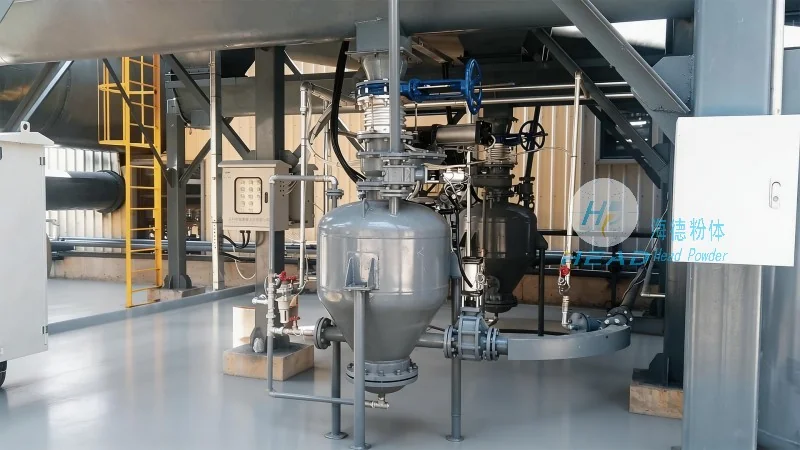
Feeder: The feeder is responsible for introducing the recycled sand into the conveying line at a controlled rate. It ensures a consistent flow of material, preventing surges or gaps that could disrupt the conveying process. For recycled sand, a rotary valve or a screw feeder is commonly used to handle fine particles without clogging.
Pipeline: The pipeline is the main transport channel for the material. It is typically made of stainless steel or other corrosion-resistant materials to withstand the abrasive nature of recycled sand. The diameter and length of the pipeline are carefully designed to maintain optimal air velocity and prevent material deposition.
Blower or Vacuum Pump: This component generates the necessary pressure or vacuum to move the material through the pipeline. The choice between positive pressure (blower) and negative pressure (vacuum pump) depends on the application requirements. Positive pressure systems are often preferred for long-distance transport, while vacuum systems are suitable for shorter distances or when gentle material handling is needed.
Separators and Filters: These devices are used to separate the material from the air at the receiving end. The separator collects the recycled sand and returns it to the process, while the filter removes any remaining dust from the exhaust air. This ensures that the system operates efficiently and complies with environmental regulations.
Control System: The control system monitors and regulates the operation of the pneumatic conveying system. It includes sensors to measure pressure, flow rate, and material level, as well as control valves to adjust the air supply and feeder speed. This automation enhances the system's reliability and reduces the need for manual intervention.
Applications of Recycled Sand Pneumatic Conveying
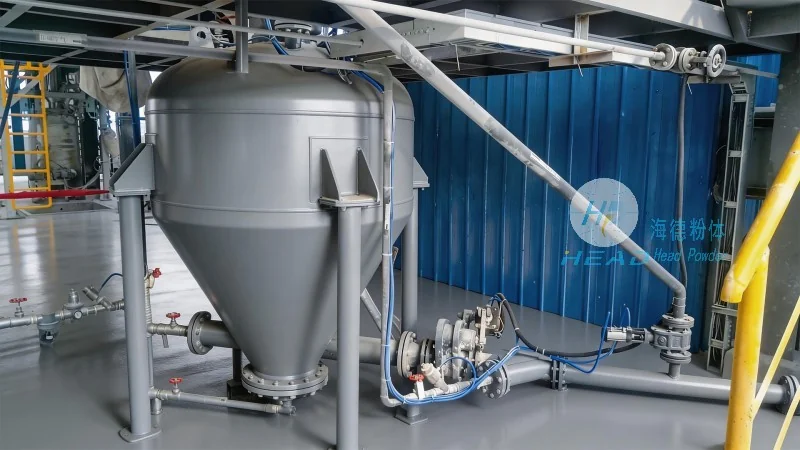
Pneumatic conveying systems for recycled sand are widely used in various industries. In the construction sector, they are employed in concrete mixing plants to transport recycled sand from storage silos to the mixing area. This ensures a consistent supply of material and reduces the need for manual handling, which can be labor-intensive and unsafe. In recycling facilities, pneumatic conveyors are used to move recycled sand from sorting and washing processes to storage or processing areas. The closed system minimizes contamination and maintains the quality of the material.
In the asphalt industry, recycled sand is often used as a filler material. Pneumatic conveying systems are used to transport the sand from storage to the mixing plant, where it is combined with other ingredients to produce high-quality asphalt. This method ensures that the sand is delivered in a clean and dry state, which is essential for maintaining the performance of the final product.
Case Study: HeadPowder's Pneumatic Conveying Solutions
Shandong HeadPowder Engineering Co., Ltd., a leading provider of material handling solutions, specializes in designing and manufacturing pneumatic conveying systems tailored to the needs of recycled sand applications. With years of experience in the industry, HeadPowder has developed advanced systems that address the unique challenges of handling recycled sand, such as high moisture content and fine particle size.
One of HeadPowder's key products is the recycled sand pneumatic conveying system, which incorporates state-of-the-art components to ensure efficient and reliable operation. The system features a robust feeder designed to handle fine recycled sand without clogging, a high-capacity blower that provides sufficient pressure for long-distance transport, and a high-efficiency separator that minimizes dust emissions. HeadPowder's team of engineers works closely with clients to customize the system based on their specific requirements, ensuring optimal performance and cost-effectiveness.
HeadPowder's commitment to quality and innovation has made it a trusted partner for many recycling and construction companies. The company's facilities in Shandong, China, are equipped with advanced manufacturing equipment and testing facilities, allowing them to produce high-quality pneumatic conveying systems that meet international standards. By choosing HeadPowder's solutions, clients can benefit from improved operational efficiency, reduced maintenance costs, and enhanced environmental compliance.

 Shandong Headpowder Engineering Co., Ltd.
 156-6277-7102(Quản lý Trương)
  0531-83386006
  Thành phố Tế Nam, Tỉnh Sơn Đông, Trung Quốc
Điện thoại
WeChatTư vấn
Lên đầu