Với hơn 10 năm kinh nghiệm về vận chuyển khí nén, Headpowder Sơn Đông cung cấp hệ thống, thiết bị và quạt gió toàn chuỗi, đảm nhận các dự án kỹ thuật bột trọn gói trên toàn quốc.
For industrial applications involving the handling of powdered substances like monosodium glutamate (MSG), selecting the appropriate conveying method is crucial for efficiency, cost-effectiveness, and product integrity. The choice of conveying system impacts operational performance, maintenance requirements, and overall production workflow. This article provides an overview of common conveying methods for powdered MSG, with a specific focus on the advantages and applications of pneumatic conveying systems.
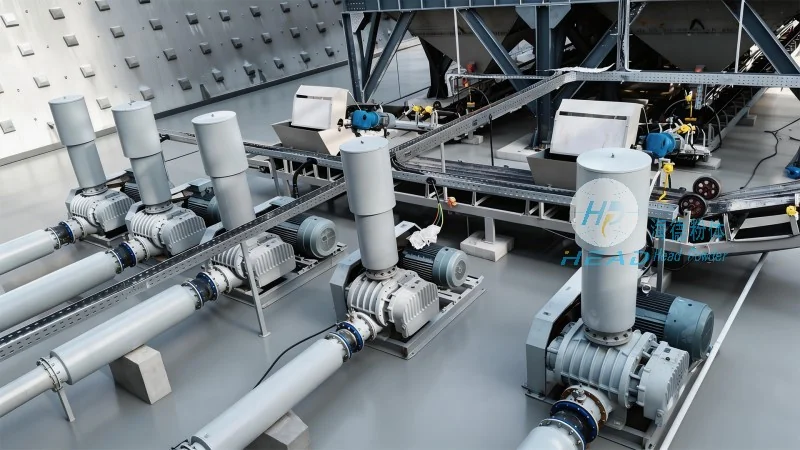
Common Conveying Methods for Powdered MSG: An Overview
Gravity Conveying Systems
Gravity conveying relies on the natural force of gravity to move materials from a higher elevation to a lower one. This method is often used in applications where the material can be safely and efficiently moved through a sloped pipe or chute. For powdered MSG, gravity conveyors are typically employed in scenarios where the material is to be transferred over short distances and where the product is not sensitive to high-velocity air or mechanical agitation. The primary advantage of gravity conveying is its simplicity and low energy consumption, as it does not require external power sources. However, it is limited by the need for a sufficient vertical drop or slope to ensure smooth material flow, and it may not be suitable for long-distance or complex routing requirements.
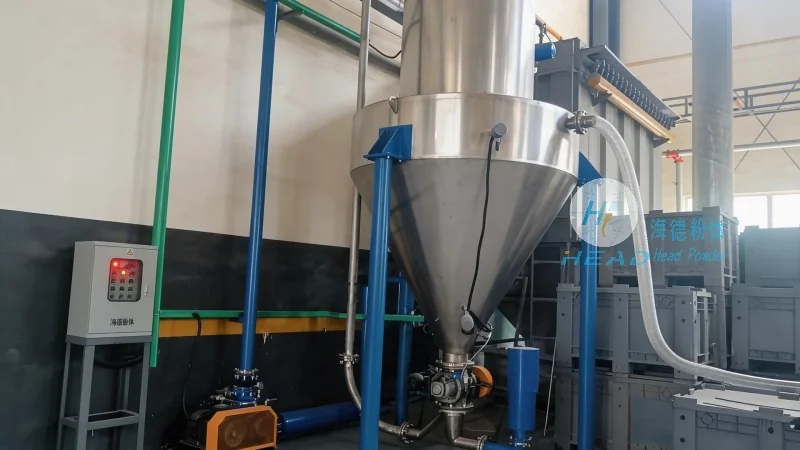
Mechanical Conveying Systems
Mechanical conveying systems utilize mechanical components such as belts, screws, or buckets to transport powdered materials. These systems are widely used in various industries due to their reliability and ability to handle a wide range of materials, including abrasive or sticky powders. For MSG powder, mechanical conveyors like screw conveyors or bucket elevators are commonly employed. Screw conveyors, for example, consist of a rotating helical screw inside a trough, which pushes the material forward. This method is effective for conveying MSG over moderate distances and at relatively low speeds, ensuring minimal product degradation. Mechanical conveyors offer better control over the material flow rate and can handle materials with varying bulk densities. However, they may require more maintenance compared to pneumatic systems and can be prone to product buildup or blockages if not properly designed or operated.
Pneumatic Conveying Systems: The Preferred Solution for MSG Powder
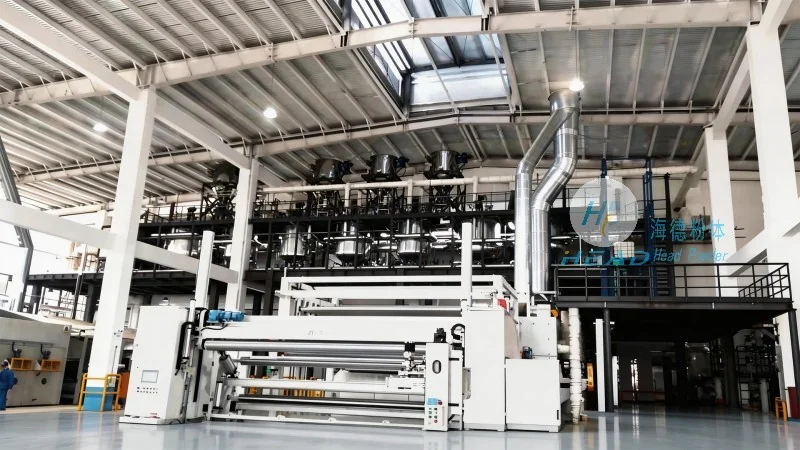
Pneumatic conveying systems use air or other gases to transport powdered materials through a pipeline. This method is particularly suitable for MSG powder due to its ability to handle fine, dry powders efficiently and with minimal product degradation. Pneumatic systems can be categorized into two main types: pressure and vacuum. Pressure systems operate by forcing air or gas into a container or hopper, creating positive pressure that pushes the material through the pipeline. Vacuum systems, on the other hand, use a vacuum pump to create negative pressure, drawing the material from a source into the pipeline. For MSG powder, pressure pneumatic conveying is often preferred as it offers higher conveying speeds and can handle longer distances with less energy consumption compared to vacuum systems. The key advantage of pneumatic conveying is its ability to transport materials in a closed system, which helps maintain product purity and prevents contamination from external sources. Additionally, pneumatic systems can be easily integrated with other processing equipment, such as mixers or reactors, allowing for seamless material transfer within a production line.
Factors to Consider When Choosing a Conveying System for MSG Powder
When selecting a conveying system for powdered MSG, several factors must be considered to ensure optimal performance and product quality. The first factor is the material characteristics, including particle size, bulk density, and flowability. MSG powder typically has a fine particle size and moderate bulk density, making it suitable for pneumatic conveying but less ideal for gravity or mechanical systems that may cause excessive friction or degradation. The second factor is the conveying distance and layout. For short distances, gravity or mechanical conveyors may be sufficient, but for longer distances or complex routing, pneumatic systems are more effective. The third factor is the required flow rate and throughput. Pneumatic systems can handle high flow rates, making them suitable for large-scale production, while mechanical systems may be limited by their capacity. The fourth factor is the need for product containment and hygiene. Pneumatic systems, especially closed-loop designs, offer better containment and can be easily cleaned and sanitized, which is critical for food-grade products like MSG. Finally, the cost and maintenance requirements must be evaluated. While pneumatic systems may have higher initial costs, they often result in lower operational costs and reduced maintenance compared to mechanical systems over the long term.
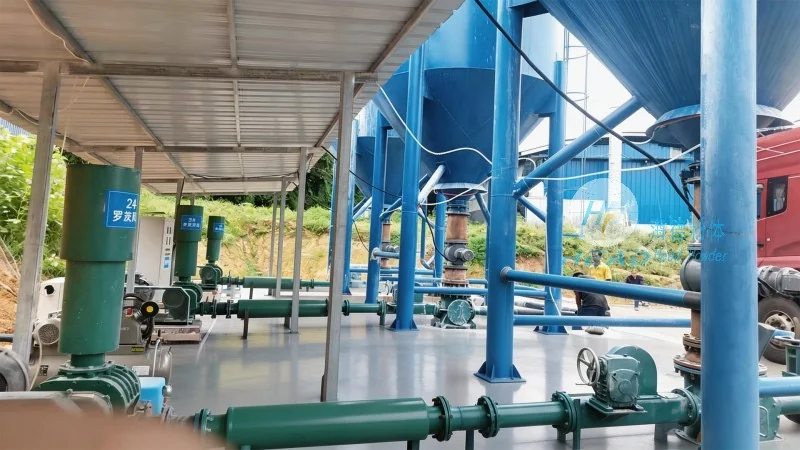
Conclusion: The Role of Pneumatic Conveying in MSG Powder Handling
In conclusion, the choice of conveying method for powdered MSG depends on various factors, including the application requirements, material characteristics, and operational constraints. While gravity and mechanical conveyors have their uses, pneumatic conveying systems, particularly pressure-based designs, are increasingly becoming the preferred solution for efficient and reliable MSG powder handling. The ability of pneumatic systems to transport fine powders in a closed system, maintain product integrity, and integrate with other processing equipment makes them ideal for modern industrial applications. As a leading provider of engineering solutions for powder handling, Shandong HeadPowder Engineering Co., Ltd. specializes in designing and manufacturing customized pneumatic conveying systems tailored to the specific needs of clients in the food and chemical industries. With a focus on quality, efficiency, and customer satisfaction, HeadPowder offers comprehensive solutions that enhance the performance and reliability of MSG powder conveying processes.

 Shandong Headpowder Engineering Co., Ltd.
 156-6277-7102(Quản lý Trương)
  0531-83386006
  Thành phố Tế Nam, Tỉnh Sơn Đông, Trung Quốc
Điện thoại
WeChatTư vấn
Lên đầu