Với hơn 10 năm kinh nghiệm về vận chuyển khí nén, Headpowder Sơn Đông cung cấp hệ thống, thiết bị và quạt gió toàn chuỗi, đảm nhận các dự án kỹ thuật bột trọn gói trên toàn quốc.
When it comes to transporting calcium carbonate powder, various methods are employed in industrial settings. These methods range from traditional mechanical systems to modern pneumatic solutions, each with its own set of advantages and limitations. Understanding the different options available helps businesses select the most suitable conveying system for their specific operational needs. Common approaches include gravity-based systems, mechanical conveyors such as belt or screw conveyors, and more advanced pneumatic conveying technologies. Each method addresses different challenges related to material properties, distance, and environmental factors.
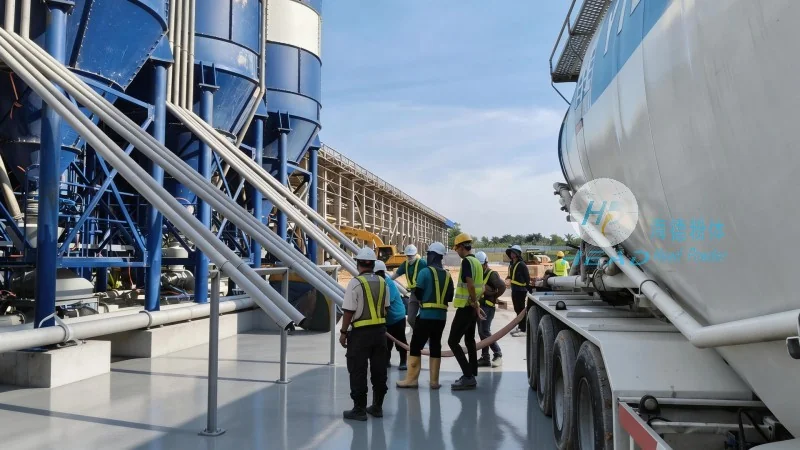
Common Conveying Methods for Calcium Carbonate Powder
Gravity conveyors rely on the natural force of gravity to move powder from higher to lower elevations. This method is simple and cost-effective for short distances and when the material is free-flowing. However, it is limited by the need for a sufficient vertical drop and may not be suitable for horizontal transport or when the material is prone to bridging or caking. Mechanical conveyors like belt conveyors use a continuous belt to transport powder horizontally or at a slight incline. They are robust and can handle large volumes but require regular maintenance and may generate dust if not properly sealed. Screw conveyors, also known as augers, use a rotating screw to push powder through a tube. These are ideal for vertical or inclined transport and can handle sticky or cohesive materials, though they may experience wear and tear over time.
Pneumatic Conveying: The Superior Choice for Calcium Carbonate Powder

Among the various options, pneumatic conveying stands out as a highly efficient and versatile solution for calcium carbonate powder transport. This method uses air or other gases to move material through a pipeline, offering several key advantages over traditional methods. Pneumatic systems can handle both dry and wet powders, making them adaptable to different processing stages. They are also capable of transporting materials over long distances and through complex layouts, including vertical lifts and horizontal curves, without the need for multiple transfer points. Additionally, pneumatic conveying minimizes material degradation and contamination, as the material remains enclosed within the pipeline, reducing exposure to external factors.
HeadPowder's Pneumatic Conveying System: Key Advantages
Shandong HeadPowder Engineering Co., Ltd. specializes in providing advanced pneumatic conveying solutions tailored to the unique requirements of calcium carbonate powder applications. The company's system incorporates several innovative features that enhance performance and reliability. One of the primary advantages is the use of high-efficiency air compressors and filtration systems, which ensure consistent air pressure and quality, preventing system downtime caused by air quality issues. The pipeline design incorporates smooth, corrosion-resistant materials, such as stainless steel or special coatings, to prevent material buildup and maintain flow efficiency. This design minimizes maintenance requirements and extends the lifespan of the conveying system.
Customization and Scalability for Diverse Applications
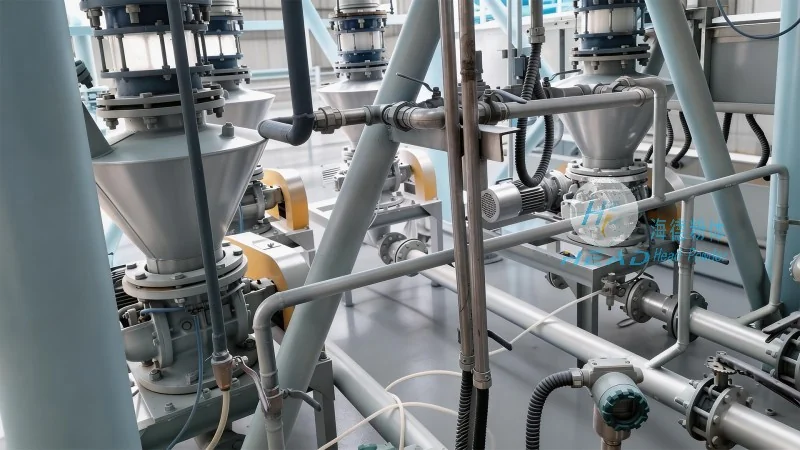
HeadPowder's pneumatic conveying systems are designed to be highly customizable, allowing them to adapt to a wide range of calcium carbonate powder types and processing conditions. Whether the application involves fine or coarse powders, high or low flow rates, or different particle sizes, the system can be configured to meet specific operational parameters. The company offers modular components that can be easily expanded or modified as production needs evolve, ensuring long-term investment value. This scalability is particularly beneficial for businesses that anticipate growth or need to accommodate varying production volumes.
Reliability and Durability in Industrial Environments
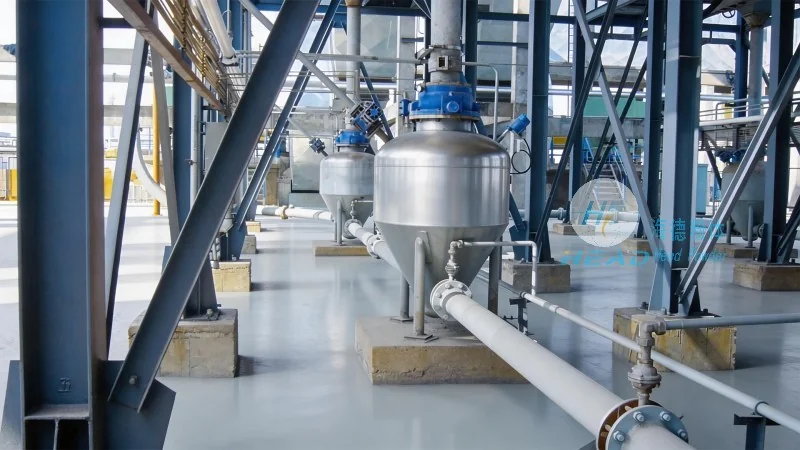
Industrial environments often present challenges such as dust, moisture, and temperature fluctuations, which can impact the performance of conveying systems. HeadPowder's pneumatic conveying solutions are engineered to withstand these conditions, ensuring consistent operation and minimal downtime. The system incorporates robust seals and filtration mechanisms to prevent dust leakage and maintain air quality, reducing the risk of contamination in downstream processes. Additionally, the use of high-quality materials and precision manufacturing ensures that the components can handle the abrasive nature of calcium carbonate powder, minimizing wear and extending the service life of the equipment. This reliability is crucial for maintaining production efficiency and meeting quality standards in manufacturing operations.
Environmental Considerations and Safety Features
As industrial practices increasingly focus on sustainability and safety, HeadPowder's pneumatic conveying systems incorporate several features that address environmental and safety concerns. The enclosed pipeline design reduces dust emissions, contributing to a cleaner working environment and compliance with environmental regulations. The system also includes safety interlocks and monitoring systems to detect and prevent potential hazards, such as overpressure or material blockages. These features help ensure the safety of operators and the integrity of the production process. By prioritizing both environmental responsibility and operational safety, HeadPowder's solutions align with modern industrial standards and customer expectations.

 Shandong Headpowder Engineering Co., Ltd.
 156-6277-7102(Quản lý Trương)
  0531-83386006
  Thành phố Tế Nam, Tỉnh Sơn Đông, Trung Quốc
Điện thoại
WeChatTư vấn
Lên đầu