Với hơn 10 năm kinh nghiệm về vận chuyển khí nén, Headpowder Sơn Đông cung cấp hệ thống, thiết bị và quạt gió toàn chuỗi, đảm nhận các dự án kỹ thuật bột trọn gói trên toàn quốc.
Bread flour, a staple ingredient in baking, requires efficient and reliable conveying systems to ensure consistent quality and process flow in production facilities. The choice of conveying method significantly impacts operational efficiency, product integrity, and overall production costs. This article explores common bread flour conveying methods, with a focus on the advantages and applications of pneumatic conveying, a popular solution for handling fine powders like bread flour.
About HeadPowder: Your Trusted Partner in Flour Conveying Solutions
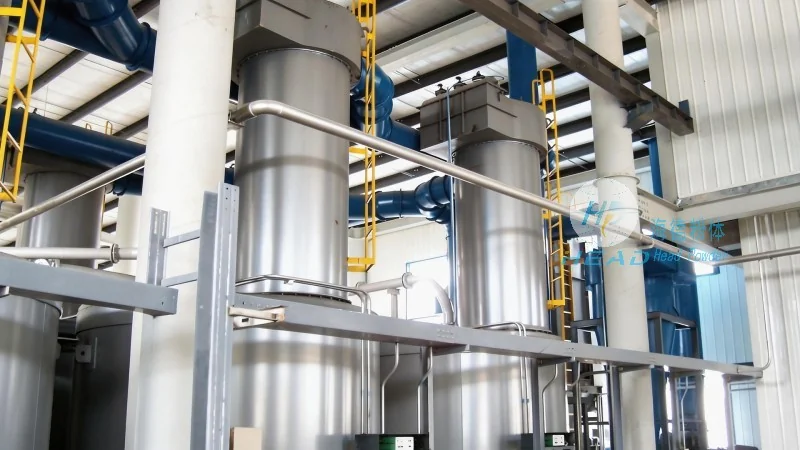
HeadPowder, a leading manufacturer based in Shandong, China, specializes in providing advanced conveying equipment tailored to the needs of the food processing industry. With a strong commitment to quality and innovation, HeadPowder offers a range of solutions designed to enhance the efficiency and safety of bread flour handling. The company’s headquarters and primary operations are located in Shandong, China, where it leverages local expertise and resources to develop cutting-edge technologies for its clients.
Understanding Pneumatic Conveying for Bread Flour
Pneumatic conveying, also known as air conveying, is a method that uses pressurized or vacuum air to transport dry bulk materials, including bread flour, through a pipeline system. This technology offers several advantages over traditional mechanical conveying methods, such as reduced product contamination, improved hygiene, and the ability to handle fine powders without the risk of clogging or degradation. Pneumatic systems can be categorized into two main types: pressure and vacuum systems, each with distinct applications and performance characteristics.
Advantages of Pneumatic Conveying for Bread Flour Handling
When compared to other conveying methods like belt conveyors or screw conveyors, pneumatic conveying provides unique benefits that are particularly valuable for bread flour. These advantages include: hygienic and clean operation, as the system is enclosed and prevents cross-contamination with other materials or the environment. Flexibility in layout, allowing for horizontal, vertical, or complex path configurations to suit the specific layout of a production facility. Reduced product degradation, as the gentle handling of the powder minimizes the risk of clumping or particle breakage, which can affect the final quality of the baked goods. Additionally, pneumatic systems can be integrated with dust collection and filtration systems, ensuring compliance with environmental regulations and maintaining a safe working environment.
Key Components of a Bread Flour Pneumatic Conveying System
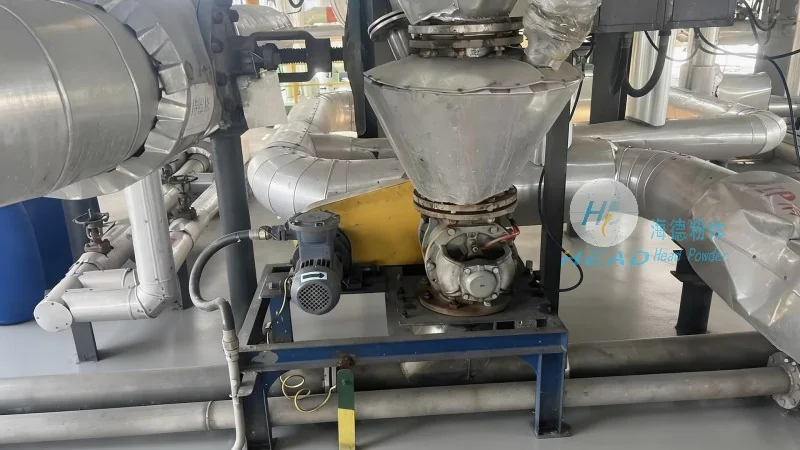
A typical pneumatic conveying system for bread flour consists of several essential components that work together to ensure efficient material transport. These components include: feeders, which control the flow rate of the flour into the system, often using rotary valves or vibratory feeders to maintain a consistent feed. Conveying lines, usually made of stainless steel or other corrosion-resistant materials, to transport the flour through the system. Air movers, such as blowers or vacuum pumps, that generate the pressure or vacuum required to move the flour. Separators, which separate the flour from the air stream and return the air to the system for reuse. Dust collectors, which capture any fine particles that may escape the system, ensuring environmental compliance and product purity. Each component plays a critical role in the overall performance and reliability of the conveying system.
Applications and Use Cases in Bread Flour Production
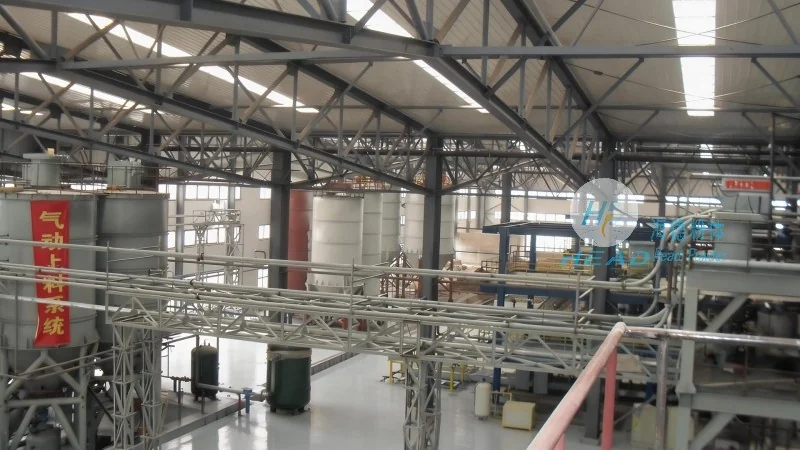
Pneumatic conveying is widely used in various stages of bread flour production and processing. For example, in a bakery, it can be used to transport flour from storage silos to mixing machines, or from the mixing line to the packaging area. In flour mills, pneumatic systems are used to move flour from grinding and sifting operations to storage bins or packaging lines. The flexibility of pneumatic conveying allows it to adapt to different production volumes and layouts, making it a versatile solution for both small-scale and large-scale bread flour operations.
Conclusion: Choosing the Right Conveying Method for Your Bread Flour Needs
When selecting a conveying method for bread flour, it is essential to consider factors such as production capacity, product quality requirements, and operational costs. Pneumatic conveying, with its advantages in hygiene, flexibility, and product integrity, is often a preferred choice for many food processing facilities. HeadPowder, with its expertise in designing and manufacturing pneumatic conveying systems, can provide customized solutions tailored to the specific needs of bread flour producers. By partnering with HeadPowder, businesses can enhance their operational efficiency, ensure product quality, and meet industry standards for safe and effective flour handling.

 Shandong Headpowder Engineering Co., Ltd.
 156-6277-7102(Quản lý Trương)
  0531-83386006
  Thành phố Tế Nam, Tỉnh Sơn Đông, Trung Quốc
Điện thoại
WeChatTư vấn
Lên đầu