Với hơn 10 năm kinh nghiệm về vận chuyển khí nén, Headpowder Sơn Đông cung cấp hệ thống, thiết bị và quạt gió toàn chuỗi, đảm nhận các dự án kỹ thuật bột trọn gói trên toàn quốc.
When it comes to the efficient and safe transportation of food products within processing facilities, selecting the right conveying method is crucial. Various options exist, each with its own set of characteristics and applications. Among these, pneumatic conveying stands out as a modern and effective solution, especially for handling bulk food materials. This article explores the different types of food conveying methods and delves into the specific advantages and features of pneumatic conveying systems, highlighting why they are increasingly preferred in the food industry.
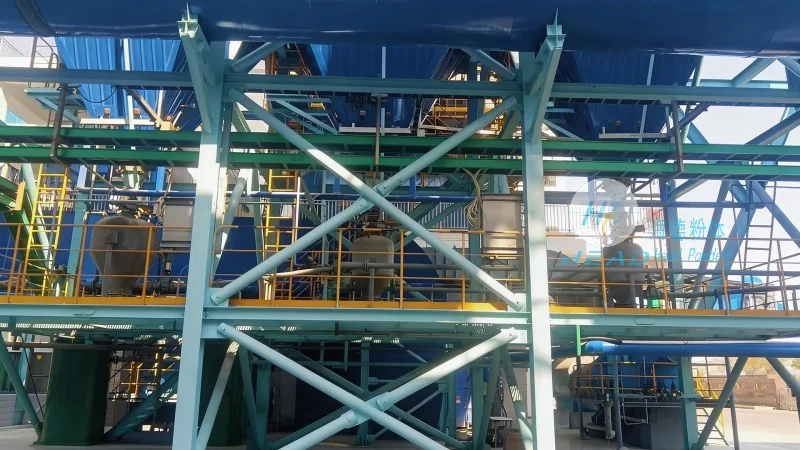
Introduction to Food Conveying Methods and Pneumatic Conveying
Food processing facilities rely on diverse conveying systems to move raw materials, intermediate products, and finished goods from one stage of production to another. Traditional methods such as gravity chutes, belt conveyors, and screw conveyors have been used for decades. However, with the growing emphasis on hygiene, efficiency, and product integrity, more advanced solutions like pneumatic conveying are gaining traction. Pneumatic conveying, also known as air conveying, utilizes air or gas to transport bulk materials through a pipeline network. This method offers several benefits that traditional systems may not provide, making it a preferred choice for many food processing operations.
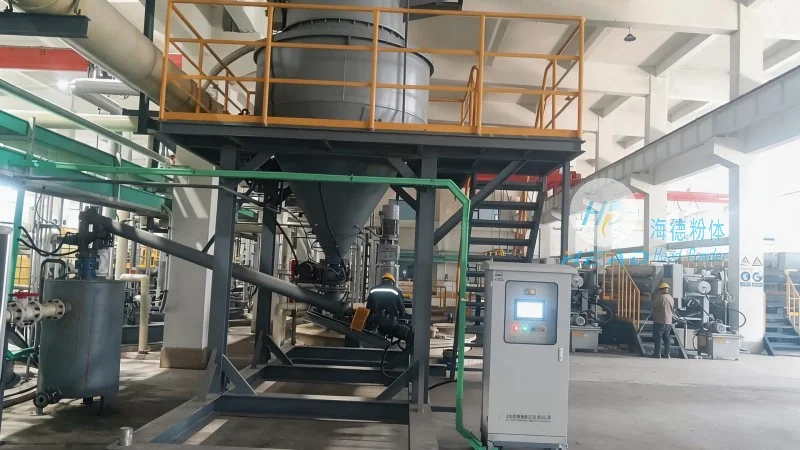
Understanding Pneumatic Conveying Technology
Pneumatic conveying systems operate by creating a pressure differential between the inlet and outlet of the conveying line. There are two primary types of pneumatic conveying: positive pressure and negative pressure systems. Positive pressure systems use a blower or compressor to force air and material through the pipeline, while negative pressure systems create a vacuum at the discharge end to draw material into the line. The choice between these systems depends on factors such as the material's properties, the distance to be conveyed, and the desired level of control over the process. For food applications, positive pressure systems are often favored due to their ability to maintain a positive pressure environment, which helps prevent contamination from external sources.
Advantages of Pneumatic Conveying for Food Processing
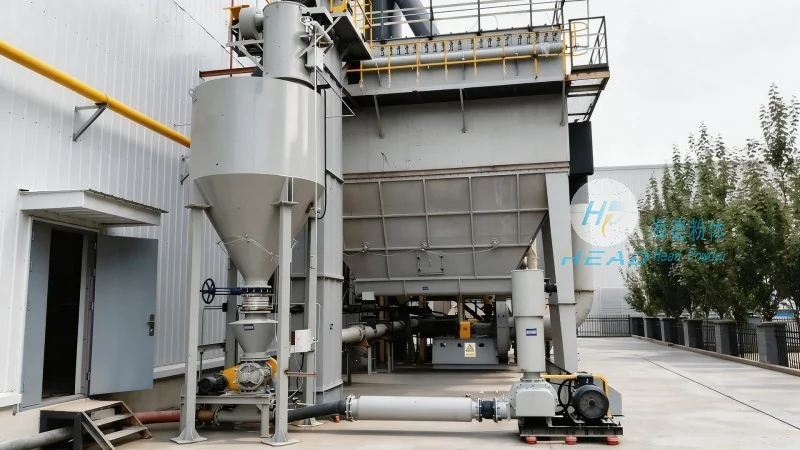
The adoption of pneumatic conveying in the food industry is driven by several key advantages. First and foremost, it provides a completely enclosed and sanitary system, which is essential for maintaining product purity and compliance with food safety regulations. Unlike open systems that expose materials to the environment, pneumatic conveyors keep the product and air contained within a sealed pipeline, minimizing the risk of contamination from dust, moisture, or other external elements. This feature is particularly important for sensitive food products like powders, granules, and flakes, where even minor contamination can affect quality and safety.
Another significant advantage is the efficiency and speed of material transfer. Pneumatic conveying can move large volumes of material quickly and with minimal labor, reducing processing time and increasing overall productivity. The system's ability to handle high flow rates and maintain consistent speeds makes it suitable for continuous production lines. Additionally, pneumatic conveyors are highly flexible, allowing for easy reconfiguration of the pipeline network to accommodate changes in production processes or facility layouts. This adaptability reduces downtime and operational costs, making them a cost-effective solution in the long run.
Key Features of Pneumatic Conveying Systems
Modern pneumatic conveying systems for food processing are equipped with several advanced features that enhance their performance and reliability. One of the most important features is the use of high-quality materials that are food-grade and resistant to corrosion and wear. Components such as pipelines, valves, and fittings are typically made from stainless steel or other non-reactive materials, ensuring that they do not come into contact with the food product and do not introduce any contaminants. The system also includes filtration and cleaning mechanisms to maintain air quality and prevent clogging, which is critical for maintaining consistent operation.
Control systems are another key feature, allowing operators to monitor and adjust the conveying process in real-time. Advanced control technologies enable precise regulation of air pressure, flow rate, and material feed, ensuring optimal performance and preventing issues such as blockages or overloading. Some systems also incorporate sensors and monitoring devices to detect abnormalities and trigger alerts, enhancing safety and reducing the risk of equipment failure. These features contribute to the overall reliability and longevity of the pneumatic conveying system, making it a durable investment for food processing facilities.
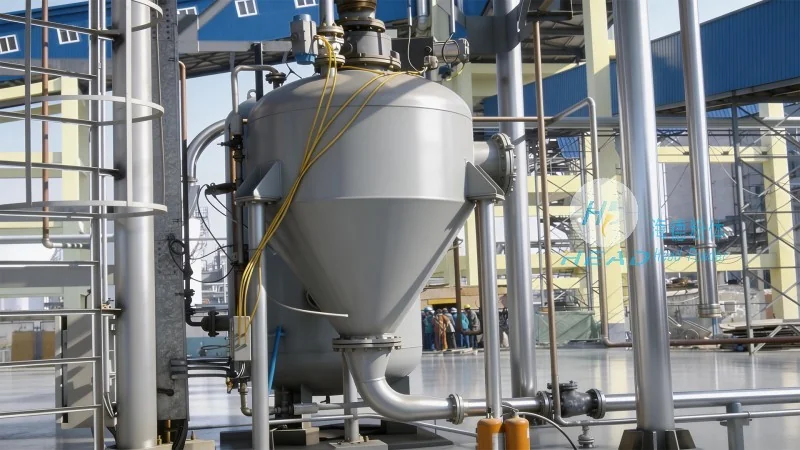
Application Examples in Food Industry
Pneumatic conveying is widely used in various food processing applications, including the handling of powders, granules, and bulk solids. For instance, in the production of dairy products, pneumatic conveyors are used to transport ingredients like milk powder, sugar, and flavorings from storage silos to mixing tanks. In the snack food industry, they are employed to move ingredients such as flour, nuts, and spices from raw material bins to processing lines. The system's ability to handle fine powders without causing segregation or agglomeration is particularly valuable in these applications, as it ensures that the product maintains its desired texture and quality.
Shandong HeadPowder Engineering Co., Ltd., a leading provider of pneumatic conveying solutions, specializes in designing and manufacturing customized systems tailored to the specific needs of food processing facilities. With years of experience in the industry, the company has developed advanced technologies that address the unique challenges of food handling, such as maintaining hygiene, ensuring product integrity, and optimizing operational efficiency. The company's expertise in material handling and process engineering enables them to deliver solutions that meet the highest standards of food safety and quality. Based in Shandong, China, HeadPowder Engineering Co., Ltd. serves clients globally, providing reliable and efficient pneumatic conveying systems that enhance productivity and reduce operational costs in food processing operations.

 Shandong Headpowder Engineering Co., Ltd.
 156-6277-7102(Quản lý Trương)
  0531-83386006
  Thành phố Tế Nam, Tỉnh Sơn Đông, Trung Quốc
Điện thoại
WeChatTư vấn
Lên đầu