Với hơn 10 năm kinh nghiệm về vận chuyển khí nén, Headpowder Sơn Đông cung cấp hệ thống, thiết bị và quạt gió toàn chuỗi, đảm nhận các dự án kỹ thuật bột trọn gói trên toàn quốc.
Lithium hydroxide (LiOH) is a critical chemical compound widely used in various industries, including battery manufacturing, ceramics, and chemical synthesis. The efficient and safe conveyance of LiOH is essential for industrial processes, as it requires specialized handling due to its reactivity and hygroscopic nature. This article provides a detailed comparison of common methods used to transport lithium hydroxide, highlighting the advantages and considerations of each approach.
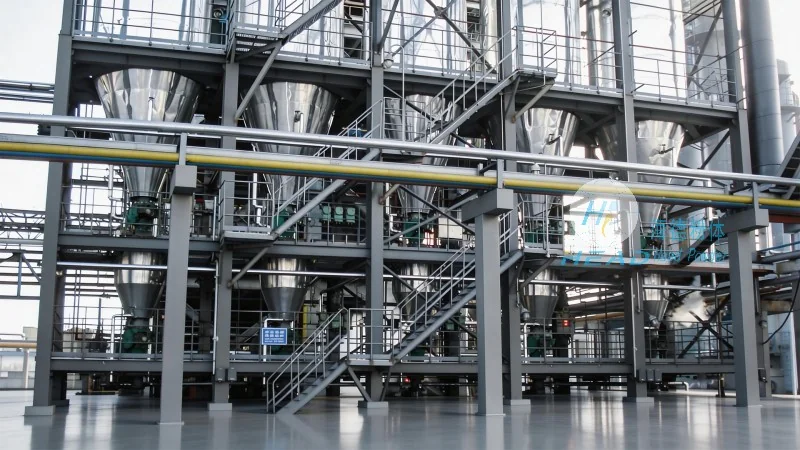
1. Pneumatic Conveying Systems
Pneumatic conveying, also known as air-assisted transport, is a popular method for moving lithium hydroxide, especially in applications where dust control and low maintenance are priorities. This system uses compressed air to transport the material through a pipeline, combining the material with air to create a slurry or dense phase flow. The primary advantage of pneumatic conveying is its ability to handle fine powders without the need for mechanical components that might cause contamination or wear. For instance, in battery production facilities, pneumatic systems can efficiently transport LiOH from storage silos to processing units, ensuring a clean and controlled environment. However, it is important to note that the system requires precise air pressure control to prevent material degradation or blockages. The equipment used in pneumatic conveying, such as rotary valves and airlocks, must be designed to withstand the corrosive properties of LiOH, which often involves materials like stainless steel or specialized coatings.
2. Screw Conveyors
Screw conveyors, or auger conveyors, are another widely used method for conveying lithium hydroxide, particularly in bulk handling applications. These systems consist of a rotating screw (auger) inside a trough, which moves the material forward through the tube. Screw conveyors are known for their simplicity and reliability, making them suitable for continuous material transport over short to medium distances. They are particularly effective for handling free-flowing powders like LiOH, as the screw's rotation creates a consistent flow without the need for external forces like air pressure. A key benefit of screw conveyors is their ability to operate in vertical or inclined positions, allowing for multi-level material transport. This makes them ideal for integrating with existing industrial setups, such as moving LiOH from a lower storage area to an upper processing line. However, screw conveyors may experience wear on the screw and trough due to the abrasive nature of LiOH, necessitating regular maintenance and replacement of components. Additionally, they are less efficient for very fine powders, as the screw's design may cause segregation or uneven flow.
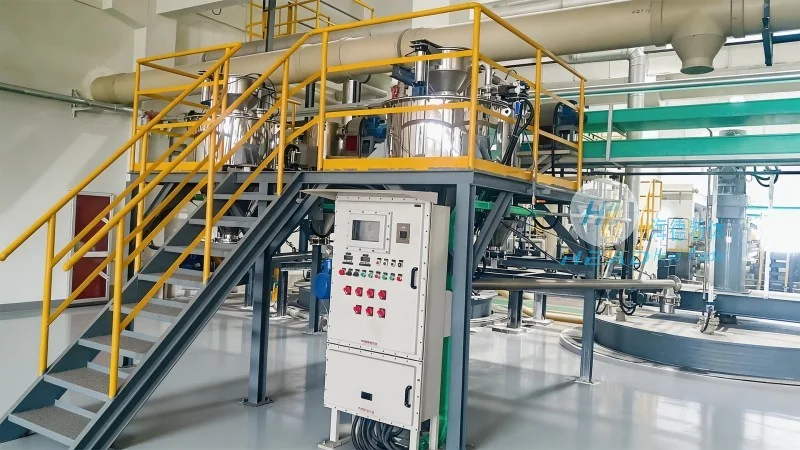
3. Pumping Systems
Pumping systems, including slurry pumps and positive displacement pumps, are employed for transporting lithium hydroxide in liquid or slurry form. This method is commonly used when the material is mixed with water or other liquids, such as in the production of lithium hydroxide solutions. The choice of pump depends on the viscosity and flow rate requirements of the slurry. For example, centrifugal pumps are suitable for high-volume, low-viscosity slurries, while positive displacement pumps like gear or piston pumps are better for handling thicker, more viscous mixtures. A significant advantage of pumping systems is their ability to transport LiOH over longer distances with minimal pressure loss, making them ideal for large-scale industrial operations. However, these systems require careful monitoring of pump performance to prevent clogging or corrosion, as LiOH can be corrosive to pump components. Regular cleaning and the use of corrosion-resistant materials, such as Hastelloy or titanium, are essential to maintain the longevity of the equipment. Additionally, pumping systems may need to be equipped with filtration systems to remove solid particles from the slurry, ensuring smooth operation and preventing damage to downstream equipment.
4. Belt Conveyors
Belt conveyors are a traditional method for conveying bulk materials, including lithium hydroxide, over long distances. These systems consist of a continuous belt that moves the material from one point to another, supported by rollers or idlers. Belt conveyors are highly efficient for large-scale operations, capable of transporting large quantities of LiOH at high speeds. They are particularly useful in open-air applications or when integrating with other material handling equipment, such as storage silos and processing units. A key advantage of belt conveyors is their ability to handle a wide range of material sizes and shapes, including irregularly shaped LiOH particles. However, belt conveyors require regular maintenance to prevent belt wear and slippage, especially when handling abrasive materials like LiOH. The belt material must be selected carefully to resist the chemical properties of LiOH, often using rubber or specialized synthetic materials. Additionally, belt conveyors may need to be equipped with cleaning mechanisms to remove material buildup, which can affect performance and safety. Despite these considerations, belt conveyors remain a reliable and cost-effective option for many industrial applications.
5. Comparison and Selection Considerations
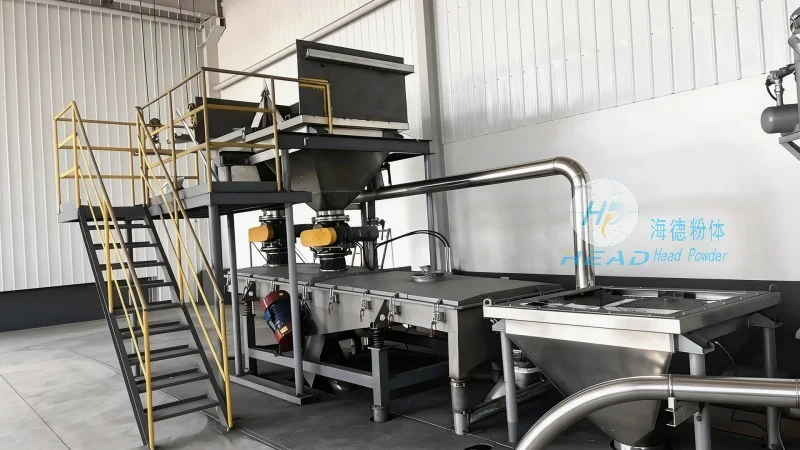
When selecting a conveying method for lithium hydroxide, several factors must be considered to ensure optimal performance and safety. The choice of method depends on the specific application, such as the form of LiOH (powder, slurry, or granules), the distance to be transported, and the required flow rate. Pneumatic conveying is ideal for fine powders and requires less space, while screw conveyors are suitable for bulk handling and vertical transport. Pumping systems are best for liquid or slurry applications, and belt conveyors are effective for long-distance transport of bulk materials. Cost is another critical factor, as each method has different capital and operational expenses. For example, pneumatic systems may have higher energy costs due to air compression, whereas screw conveyors have lower maintenance costs. Safety is also a top priority, as LiOH can be hazardous if not handled properly. All conveying systems must be designed to prevent dust emissions, ensure proper ventilation, and protect against chemical exposure. The manufacturer's reputation and expertise in handling lithium hydroxide are also important considerations, as specialized knowledge can ensure the equipment is tailored to the specific needs of the application.
Conclusion
Efficient and safe conveyance of lithium hydroxide is crucial for industrial processes, and the choice of method depends on various factors including material form, distance, and operational requirements. Pneumatic, screw, pumping, and belt conveyors each offer unique advantages and considerations. By carefully evaluating these factors and selecting the appropriate system, industries can ensure the reliable and safe transport of LiOH. Shandong HeadPowder Engineering Co., Ltd., a leading provider of specialized conveying equipment, offers tailored solutions for lithium hydroxide handling, combining expertise and quality to meet the demands of modern industrial applications. With a focus on safety and efficiency, HeadPowder's systems are designed to enhance productivity while minimizing risks associated with LiOH transport.

 Shandong Headpowder Engineering Co., Ltd.
 156-6277-7102(Quản lý Trương)
  0531-83386006
  Thành phố Tế Nam, Tỉnh Sơn Đông, Trung Quốc
Điện thoại
WeChatTư vấn
Lên đầu