Với hơn 10 năm kinh nghiệm về vận chuyển khí nén, Headpowder Sơn Đông cung cấp hệ thống, thiết bị và quạt gió toàn chuỗi, đảm nhận các dự án kỹ thuật bột trọn gói trên toàn quốc.
Straw ash, a byproduct of biomass combustion processes, is commonly generated in agricultural and industrial settings. Efficient and reliable conveying methods are crucial for handling this material, ensuring safe and effective transport from the source to processing or disposal sites. This article provides a detailed comparison of common straw ash conveying methods, highlighting their applications, advantages, and limitations. The information is presented by Shandong HeadPowder Engineering Co., Ltd., a leading provider of industrial conveying solutions based in China.
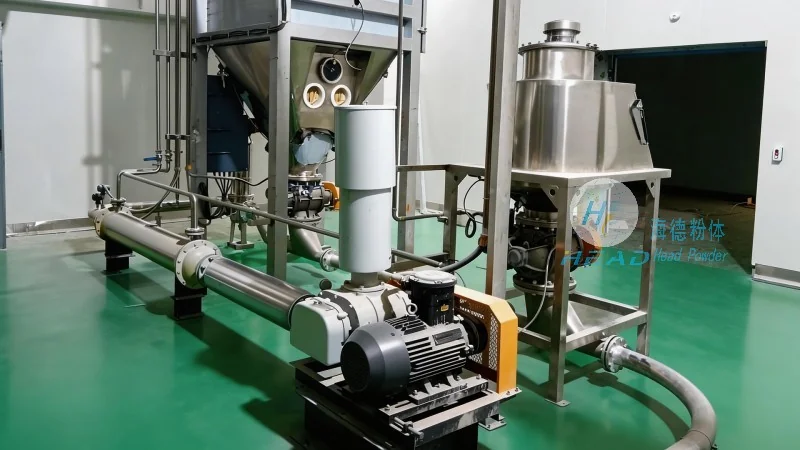
Introduction to Straw Ash Conveying
Straw ash, composed primarily of inorganic residues from the combustion of agricultural straw, poses unique challenges in handling due to its fine particle size, variable moisture content, and potential for dust generation. Conveying systems must be designed to minimize material degradation, prevent clogging, and ensure compliance with environmental regulations. The choice of conveying method depends on factors such as material characteristics, distance to be transported, system capacity, and available space. This section outlines several widely used straw ash conveying technologies, offering insights into their suitability for different operational scenarios.
1. Pneumatic Conveying Systems
Pneumatic conveying, also known as air-based conveying, is a popular method for transporting straw ash due to its ability to handle fine powders and abrasive materials. This technology utilizes compressed air or gas to move material through a pipeline. There are two main types: pressure and vacuum systems. Pressure systems use positive pressure to push material forward, while vacuum systems use negative pressure to pull material into the system. Pneumatic conveying offers advantages such as high capacity, flexibility in layout, and the ability to transport material over long distances. However, it requires careful consideration of air flow rates, pipeline design, and energy consumption. For straw ash applications, pressure systems are often preferred for their efficiency in handling fine particles and preventing clogging. The system typically includes a hopper, a rotary valve, a filter, and a receiver. The rotary valve controls the flow of material into the pipeline, while the filter removes dust from the air before it is released to the environment. Pneumatic conveying is particularly effective for applications where the material needs to be transported to a central processing facility or for long-distance transport.
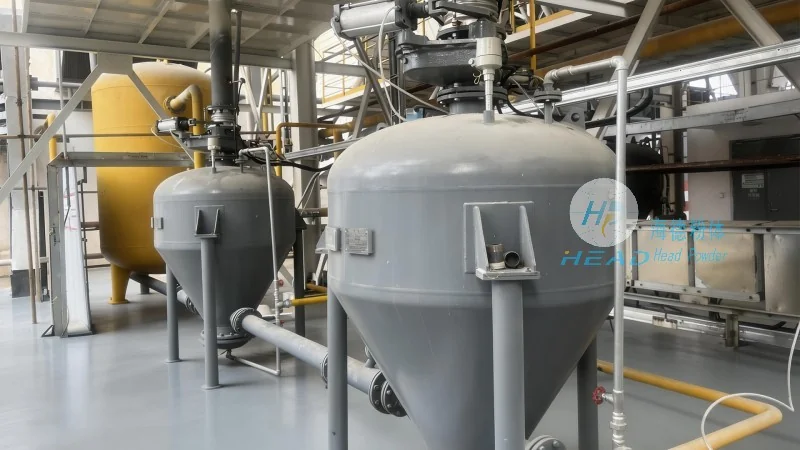
2. Mechanical Conveying Systems
Mechanical conveying systems rely on mechanical components to move straw ash. The most common types include belt conveyors, screw conveyors, and bucket elevators. Belt conveyors use a continuous belt to transport material horizontally or at a slight incline. They are suitable for transporting larger particles and can handle higher capacities. Screw conveyors, also known as augers, use a rotating screw to push material forward. They are ideal for vertical or inclined transport and can handle a wide range of particle sizes. Bucket elevators use a series of buckets attached to a chain or belt to lift material vertically. These systems are commonly used in agricultural and industrial settings where vertical transport is required. Mechanical conveying systems are generally more cost-effective and energy-efficient than pneumatic systems, especially for short to medium distances. However, they may not be suitable for fine powders or abrasive materials, as they can cause wear and tear on the components. The choice of mechanical system depends on the specific requirements of the application, including the material's characteristics, the distance to be transported, and the available space.
3. Hydraulic Conveying Systems
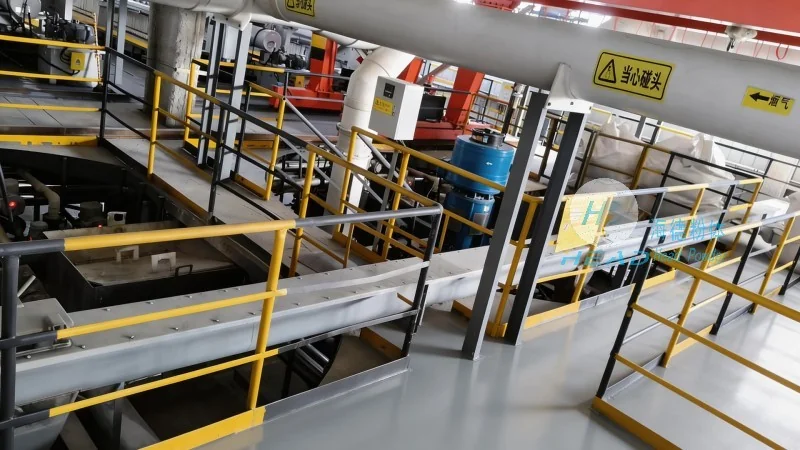
Hydraulic conveying systems use water or other liquids to transport straw ash. This method is particularly effective for handling wet or sticky materials, as the liquid helps to lubricate the material and prevent clogging. The system typically includes a pump, a pipeline, and a receiver. The pump circulates the liquid through the pipeline, and the straw ash is mixed with the liquid and transported to the destination. Hydraulic conveying offers advantages such as high capacity, low energy consumption, and the ability to handle abrasive materials. However, it requires careful management of the liquid, as it may need to be treated and disposed of properly. The system also requires regular maintenance to prevent corrosion and clogging. Hydraulic conveying is commonly used in applications where the material needs to be transported over long distances or where the material is wet or sticky.
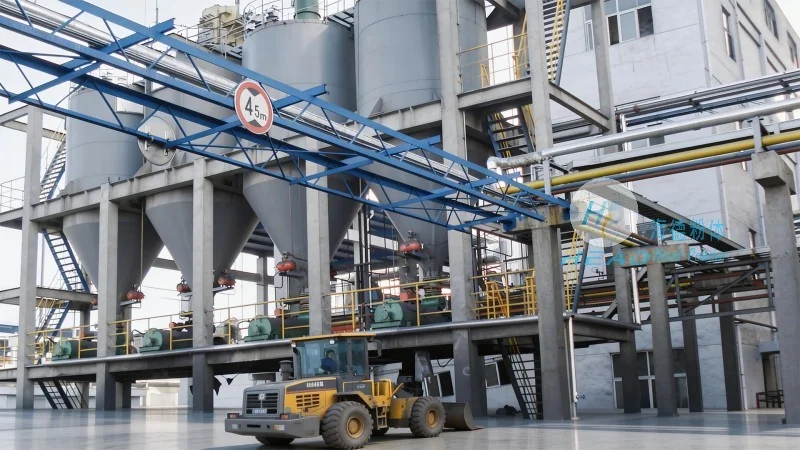
4. Combination Conveying Systems
In some cases, a combination of conveying methods may be used to achieve the best results. For example, a pneumatic system may be used to transport the straw ash from the source to a central point, and then a mechanical system may be used to transport it to the final destination. This approach allows for the advantages of both systems to be utilized, while minimizing the limitations of each. Combination systems are often used in large-scale operations where the material needs to be transported over long distances and in different directions. The choice of combination system depends on the specific requirements of the application, including the material's characteristics, the distance to be transported, and the available space.
Conclusion and Recommendations
Choosing the right straw ash conveying method is critical for ensuring efficient and reliable operation. The selection should be based on a thorough analysis of the material characteristics, the distance to be transported, the system capacity, and the available space. Pneumatic conveying is suitable for fine particles and long-distance transport, while mechanical conveying is more cost-effective for short to medium distances. Hydraulic conveying is ideal for wet or sticky materials. Combination systems may be used to achieve the best results in complex applications. Shandong HeadPowder Engineering Co., Ltd. offers a range of conveying solutions tailored to the specific needs of straw ash applications, ensuring optimal performance and reliability. By understanding the advantages and limitations of each conveying method, operators can make informed decisions to improve their material handling processes.

 Shandong Headpowder Engineering Co., Ltd.
 156-6277-7102(Quản lý Trương)
  0531-83386006
  Thành phố Tế Nam, Tỉnh Sơn Đông, Trung Quốc
Điện thoại
WeChatTư vấn
Lên đầu