Với hơn 10 năm kinh nghiệm về vận chuyển khí nén, Headpowder Sơn Đông cung cấp hệ thống, thiết bị và quạt gió toàn chuỗi, đảm nhận các dự án kỹ thuật bột trọn gói trên toàn quốc.
When it comes to managing calcined lime in industrial processes, selecting the appropriate pneumatic conveying system is crucial for efficiency, safety, and cost-effectiveness. The right system ensures smooth material transport, reduces downtime, and maintains product quality. This guide outlines key considerations to help you make an informed decision for your calcined lime handling operations.
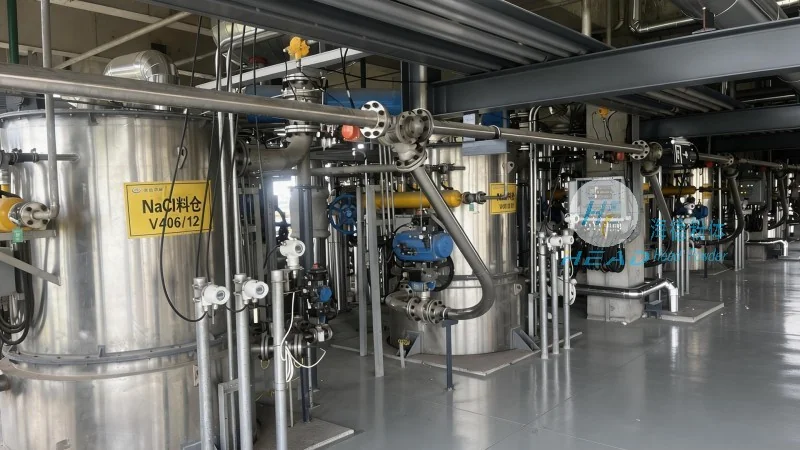
Understanding the Importance of Pneumatic Conveying for Calcined Lime
Calcined lime, also known as quicklime or calcium oxide, is a widely used industrial material in applications such as water treatment, steel production, and chemical manufacturing. Its handling requires specialized equipment to prevent dust generation, maintain material integrity, and ensure safe operation. Pneumatic conveying systems offer a reliable solution by transporting calcined lime through pipelines using air or other gases, eliminating the need for manual handling and reducing exposure to dust and fumes.
Key Factors to Consider When Selecting a Pneumatic Conveying System
Choosing the right pneumatic conveying system for calcined lime involves evaluating several critical factors. The first consideration is the material's characteristics, including its density, flowability, and dustiness. Calcined lime is typically a fine, powdery substance that can be abrasive and prone to caking, which impacts system design. The system must be capable of handling these properties without causing blockages or equipment wear.
Another crucial factor is the system's capacity and throughput requirements. The volume of calcined lime to be transported and the desired flow rate will determine the size and type of equipment needed. For example, high-capacity systems may require larger pipelines and more powerful air compressors, while low-capacity applications might use smaller, more compact units. The system's efficiency in terms of energy consumption and material loss is also a key consideration to minimize operational costs.
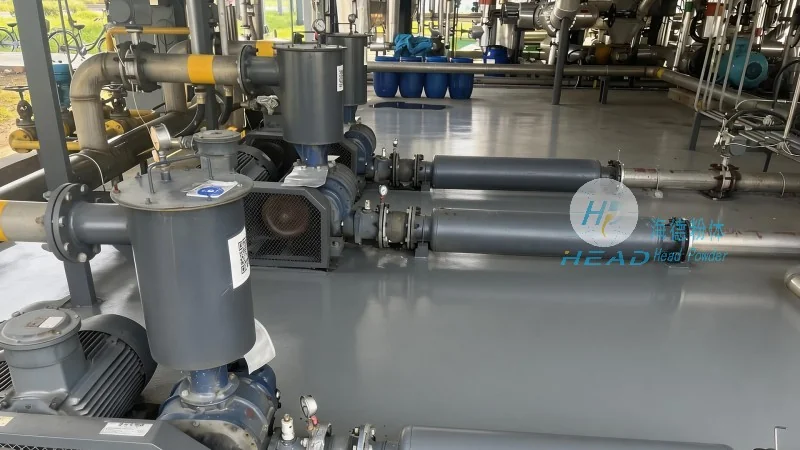
Types of Pneumatic Conveying Systems for Calcined Lime
There are several types of pneumatic conveying systems suitable for calcined lime, each with its own advantages and limitations. The most common types include pressure and vacuum systems. Pressure systems use compressed air to push material through the pipeline, while vacuum systems use suction to draw material into the system. For calcined lime, pressure systems are often preferred due to their ability to handle abrasive materials and maintain consistent flow rates.
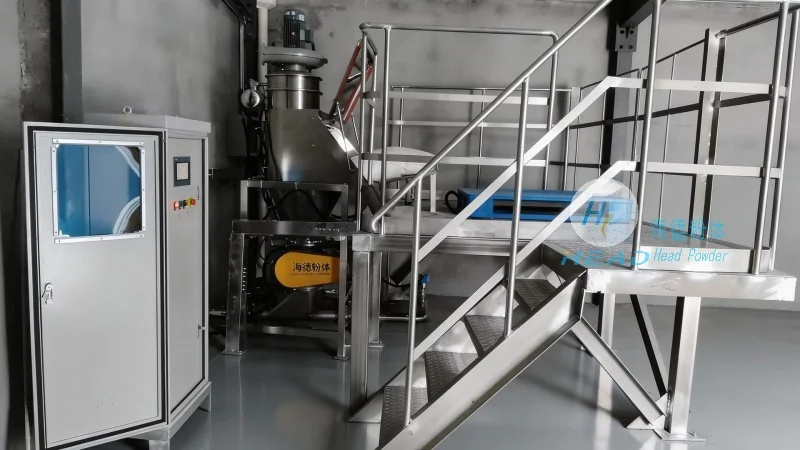
Specifically, the positive displacement blower or rotary lobe pump is commonly used in pressure systems for calcined lime handling. These systems provide consistent pressure and flow, ensuring reliable material transport even with varying material conditions. The choice between a dilute-phase or dense-phase system depends on the application. Dilute-phase systems are suitable for low to medium capacities and long distances, while dense-phase systems are ideal for high-capacity, short-distance transport, minimizing material degradation and equipment wear.
Material Handling Considerations and Equipment Selection
When selecting equipment for calcined lime pneumatic conveying, several factors must be considered to ensure optimal performance. The material's abrasive nature requires equipment with durable components, such as high-quality metal or specialized coatings, to prevent wear and extend service life. The system's design must also address the risk of caking and blockages, which can be mitigated through features like agitators, mixers, or pulse jets that keep the material in suspension.
For calcined lime, which is often stored in silos or hoppers, the system must be integrated with feeding equipment to ensure a consistent feed rate. The feeding system, such as a rotary valve or screw feeder, should be compatible with the material's flow characteristics and capable of handling the pressure and temperature conditions. The pipeline design, including bends, elbows, and straight sections, must be optimized to minimize pressure drop and maintain material velocity, preventing deposition and ensuring smooth transport.
Benefits of Choosing the Right Pneumatic Conveying System for Calcined Lime
Implementing the right pneumatic conveying system for calcined lime offers numerous benefits. Firstly, it enhances operational efficiency by reducing downtime and improving material throughput. The automated transport process minimizes manual labor, leading to lower labor costs and increased productivity. Secondly, it improves safety by eliminating the need for manual handling of dusty and potentially hazardous materials, reducing the risk of respiratory issues and other health hazards.
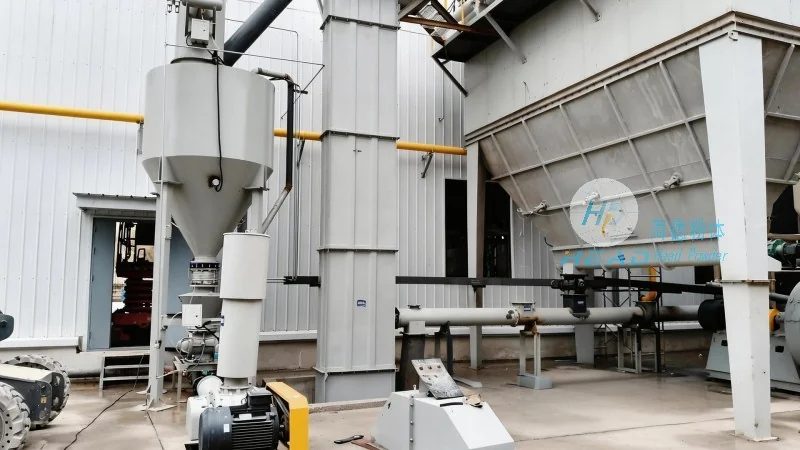
Thirdly, the right system helps maintain product quality by preventing contamination and degradation during transport. The enclosed system design keeps calcined lime free from external contaminants, ensuring consistent quality for downstream processes. Additionally, energy efficiency is a key advantage, as modern systems are designed to minimize energy consumption while maximizing material transport capacity, reducing operational costs over time.
Conclusion and Recommendations
Choosing the appropriate pneumatic conveying system for your calcined lime handling process requires careful consideration of material characteristics, system capacity, and operational requirements. By evaluating these factors and selecting a system tailored to your specific needs, you can achieve improved efficiency, safety, and cost-effectiveness. For expert guidance and customized solutions, Shandong HeadPowder Engineering Co., Ltd. offers professional consultation and high-quality equipment designed to meet the unique demands of calcined lime transport. With their expertise in industrial material handling, HeadPowder provides reliable solutions that enhance your operational performance and ensure long-term success in your calcined lime handling operations.

 Shandong Headpowder Engineering Co., Ltd.
 156-6277-7102(Quản lý Trương)
  0531-83386006
  Thành phố Tế Nam, Tỉnh Sơn Đông, Trung Quốc
Điện thoại
WeChatTư vấn
Lên đầu