Với hơn 10 năm kinh nghiệm về vận chuyển khí nén, Headpowder Sơn Đông cung cấp hệ thống, thiết bị và quạt gió toàn chuỗi, đảm nhận các dự án kỹ thuật bột trọn gói trên toàn quốc.
Tungsten carbide, a critical material in various industrial applications, requires efficient and reliable conveying methods to ensure its safe and effective transportation. The choice of conveying method depends on several factors including the material's properties, the scale of operation, and the specific requirements of the production process. This article explores the primary methods used for tungsten carbide conveying, providing a detailed overview of each approach.
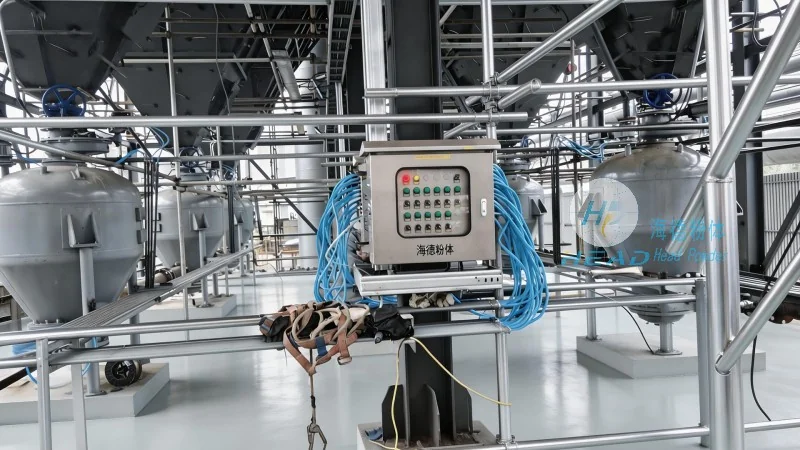
1. Gravity Conveying Systems
Gravity conveying systems utilize the natural force of gravity to move tungsten carbide particles from one location to another. These systems are typically employed in applications where the material is stored at a higher elevation and needs to be transported to a lower point. The design of gravity conveyors often involves chutes or inclined planes that allow the material to flow under the influence of gravity. This method is particularly effective for handling bulk quantities of tungsten carbide, as it minimizes the need for mechanical power and reduces the risk of material degradation due to friction or mechanical stress. The simplicity of gravity conveying makes it a cost-effective solution for many industrial settings, though it is limited by the need for a suitable elevation difference and the physical characteristics of the material.
2. Mechanical Conveying Systems
Mechanical conveying systems employ mechanical components such as belts, screws, or buckets to transport tungsten carbide. These systems are versatile and can be adapted to handle a wide range of material types and sizes. Belt conveyors, for instance, are commonly used for transporting tungsten carbide powders or small particles over short to medium distances. Screw conveyors, on the other hand, are ideal for moving bulk materials through vertical or horizontal paths, providing consistent and controlled flow. Mechanical conveyors offer greater control over the speed and direction of material movement, making them suitable for applications that require precise dosing or processing. However, they may introduce additional friction and wear on the material, which can affect its quality and longevity. Proper maintenance and material handling practices are essential to mitigate these risks and ensure the longevity of the conveying equipment.
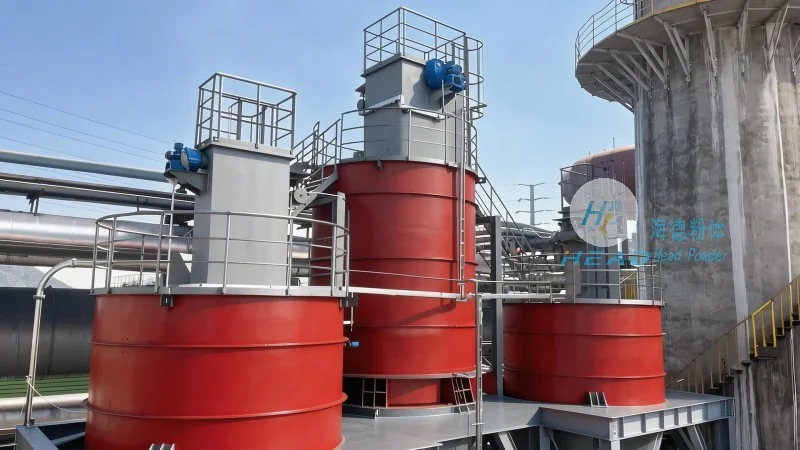
3. Pneumatic Conveying Systems
Pneumatic conveying systems use air or other gases to transport tungsten carbide particles through a pipeline. This method is particularly advantageous for handling fine powders or dust, as it minimizes the risk of material segregation and contamination. Pneumatic conveyors can be classified into two main types: dilute-phase and dense-phase systems. Dilute-phase systems operate at higher velocities, allowing for long-distance transport with minimal pressure drops. Dense-phase systems, conversely, use lower velocities and higher pressure to move material in a more controlled manner, reducing the risk of material degradation and ensuring a more uniform flow. Pneumatic conveying is often preferred in applications where dust control and environmental compliance are critical, as it can be integrated with filtration systems to capture and recycle fine particles. The flexibility of pneumatic systems makes them suitable for both batch and continuous operations, though they require careful design to manage air pressure and flow rates effectively.
4. Hydraulic Conveying Systems
Hydraulic conveying systems utilize water or other liquids to transport tungsten carbide particles. This method is commonly used in mining and processing operations where the material is mixed with water to form a slurry. The slurry is then pumped through pipelines to the processing facility. Hydraulic conveying is particularly effective for handling large volumes of material and can be used over long distances with relatively low energy consumption. However, it requires careful management of water usage and disposal, as well as the potential for material settling or clogging in the pipelines. Proper filtration and dewatering processes are essential to maintain the quality of the material and prevent equipment damage. Hydraulic systems are often integrated with other processing steps, such as grinding or classification, to optimize the overall production flow.
5. Combination Conveying Systems
In many industrial applications, a single conveying method may not be sufficient to meet all the requirements. Combination conveying systems integrate multiple technologies to achieve optimal performance. For example, a system might combine gravity and mechanical conveying to transport bulk tungsten carbide from a storage silo to a processing line. Alternatively, a pneumatic and hydraulic system might be used together to handle both fine powders and slurry materials. These hybrid systems offer greater flexibility and efficiency, allowing for the adaptation to varying production demands and material characteristics. The design of combination systems requires careful consideration of the interaction between different components to ensure smooth operation and minimal downtime. Proper integration and maintenance are crucial to maximize the benefits of these advanced conveying solutions.
6. Factors Influencing Conveying Method Selection
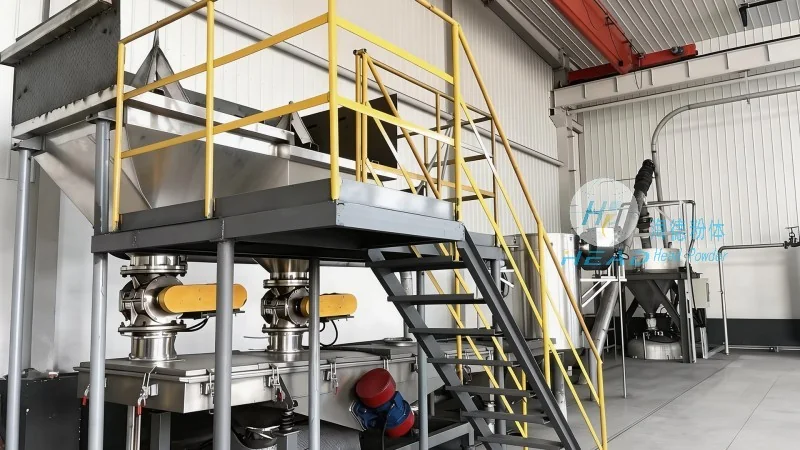
The choice of tungsten carbide conveying method is influenced by several key factors, including the material's physical properties, the scale of operation, and the specific requirements of the production process. The particle size, density, and shape of tungsten carbide can significantly affect the effectiveness of different conveying systems. For example, fine powders may require pneumatic or hydraulic systems to prevent segregation and ensure uniform flow, while larger chunks may be better suited for mechanical or gravity systems. The scale of the operation, such as the volume of material to be transported and the distance involved, also plays a critical role in method selection. Small-scale operations may benefit from simpler systems like gravity or belt conveyors, while large-scale industrial facilities may require more complex systems like combination or pneumatic conveyors. Additionally, the specific processing requirements, such as the need for precise dosing or environmental control, can dictate the most appropriate conveying method. Understanding these factors and their interplay is essential for selecting the most efficient and cost-effective conveying solution for tungsten carbide applications.
7. Maintenance and Best Practices for Tungsten Carbide Conveying
Proper maintenance and operational practices are crucial to ensure the longevity and efficiency of tungsten carbide conveying systems. Regular inspection and maintenance of equipment components, such as belts, screws, and pipelines, are essential to prevent wear and tear and minimize downtime. Cleaning and lubrication of mechanical parts help maintain optimal performance and reduce the risk of material contamination. For pneumatic and hydraulic systems, regular checks of air pressure, fluid levels, and filtration systems are necessary to ensure consistent operation. Material handling practices, such as proper storage and feeding, also play a significant role in maintaining system efficiency. For example, avoiding overloading the conveyor and ensuring a consistent feed rate can prevent material blockages and equipment damage. Environmental considerations, such as dust control and waste management, are also important, especially for systems that handle fine powders. Implementing best practices and adhering to manufacturer guidelines can significantly extend the lifespan of conveying equipment and improve overall operational performance.
8. Conclusion
Tungsten carbide conveying methods vary widely, each with its own advantages and limitations. The selection of the most appropriate method depends on a combination of material properties, operational scale, and specific production requirements. Gravity and mechanical systems offer cost-effective solutions for bulk material transport, while pneumatic and hydraulic systems provide greater control and flexibility for fine powders and slurry applications. Combination systems further enhance flexibility by integrating multiple technologies. Proper maintenance and adherence to best practices are essential to ensure the efficiency and longevity of these systems. By carefully evaluating the factors influencing conveying method selection and implementing appropriate measures, industrial facilities can optimize their tungsten carbide handling processes, leading to improved productivity and reduced operational costs.

 Shandong Headpowder Engineering Co., Ltd.
 156-6277-7102(Quản lý Trương)
  0531-83386006
  Thành phố Tế Nam, Tỉnh Sơn Đông, Trung Quốc
Điện thoại
WeChatTư vấn
Lên đầu