Với hơn 10 năm kinh nghiệm về vận chuyển khí nén, Headpowder Sơn Đông cung cấp hệ thống, thiết bị và quạt gió toàn chuỗi, đảm nhận các dự án kỹ thuật bột trọn gói trên toàn quốc.
When it comes to handling sodium sulfate, the design of an efficient and reliable pneumatic conveying system is crucial for industrial operations. This article will guide you through the key considerations and steps involved in creating a well-structured plan for such a system, with insights from Shandong HeadPowder Engineering Co., Ltd., a leading provider in the field.
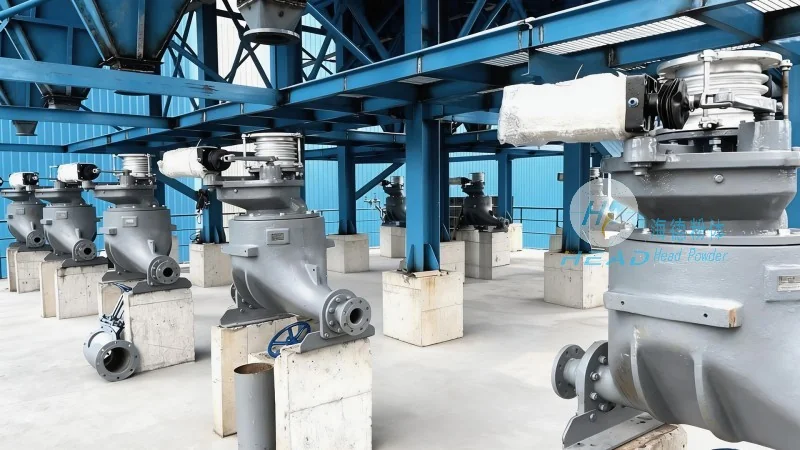
Understanding the Importance of System Design
Proper design of a sodium sulfate pneumatic conveying system ensures optimal performance, minimal downtime, and cost-effectiveness. A well-engineered system can handle the unique properties of sodium sulfate, such as its particle size, moisture content, and flow characteristics, to maintain consistent material transport. This is essential for maintaining production efficiency and product quality in industrial applications.
Key Factors to Consider in System Design
Several critical factors must be evaluated when designing a pneumatic conveying system for sodium sulfate. These include the material's physical properties, the required conveying distance and capacity, the system's pressure and flow requirements, and the environmental conditions of the operation. Each of these elements plays a vital role in determining the most suitable conveying method—whether it's a dilute phase or dense phase system—and the appropriate equipment selection.
Role of Shandong HeadPowder Engineering Co., Ltd.
Shandong HeadPowder Engineering Co., Ltd., operating under the brand name headpowder, specializes in the design and implementation of advanced pneumatic conveying solutions. With years of experience in the industry, the company leverages its expertise to tailor systems that meet the specific needs of clients handling sodium sulfate. The company's approach involves thorough analysis of operational requirements, material characteristics, and site conditions to develop customized solutions that enhance productivity and safety.
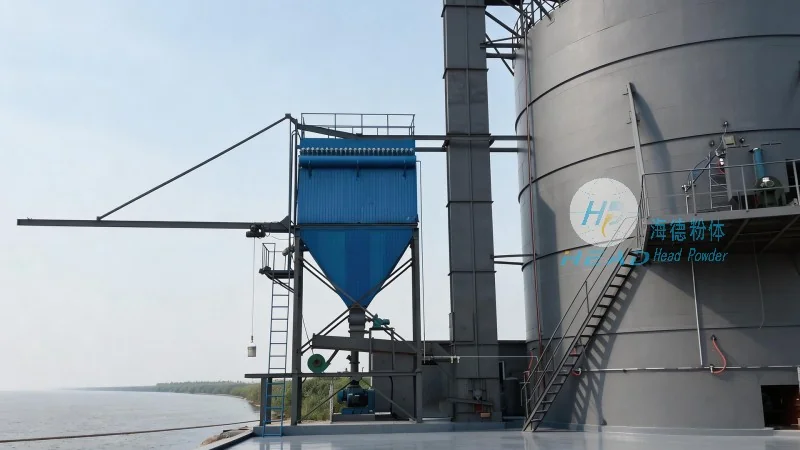
Design Process and Technical Considerations
The design process for a sodium sulfate pneumatic conveying system typically involves several stages. First, the material's properties are thoroughly analyzed, including particle size distribution, bulk density, and moisture content. This data is crucial for selecting the appropriate air velocity, system pressure, and equipment type. Next, the conveying distance and required capacity are determined, which influences the choice between dilute phase (where particles are suspended in air) and dense phase (where particles are transported in a slurry-like state) systems. The system's layout, including the placement of hoppers, conveyors, and receivers, is then planned to ensure smooth material flow and minimize pressure drops.
Equipment Selection and Integration
Key equipment in a sodium sulfate pneumatic conveying system includes feeders, air movers (such as blowers or compressors), conveying lines, and receivers. The selection of each component is critical to the system's performance. For example, the feeder must be capable of handling the material's flow characteristics without causing blockages or degradation. The air mover must provide sufficient pressure and airflow to transport the material over the required distance. Conveying lines are typically made of materials resistant to corrosion and abrasion, such as stainless steel or special alloys, to withstand the chemical properties of sodium sulfate. Receivers are designed to collect the conveyed material and may include features like dust collection or material discharge mechanisms.
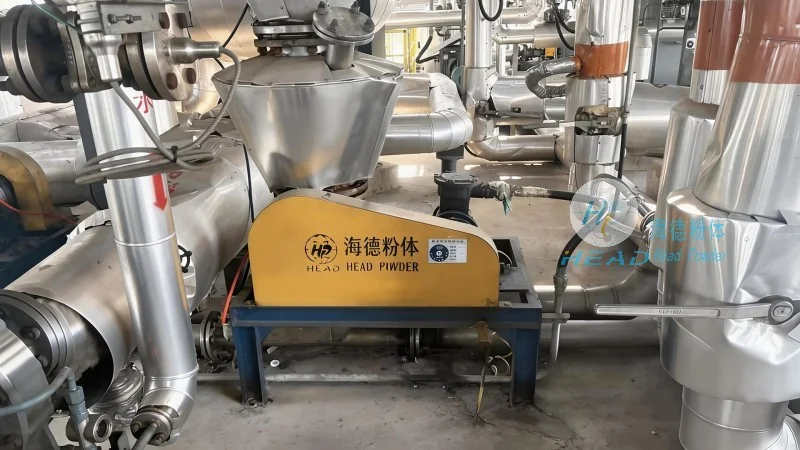
Ensuring System Reliability and Maintenance
A well-designed sodium sulfate pneumatic conveying system not only enhances operational efficiency but also requires proper maintenance to ensure long-term reliability. Regular inspections, cleaning, and component replacement are essential to prevent system failures and maintain optimal performance. Shandong HeadPowder Engineering Co., Ltd. offers comprehensive support, including maintenance services and technical guidance, to help clients keep their systems in top condition. This ensures that the system continues to operate efficiently, reducing downtime and maintenance costs over its lifespan.
Conclusion
Designing a reasonable sodium sulfate pneumatic conveying system requires a thorough understanding of material properties, operational requirements, and technical specifications. By considering key factors such as material characteristics, conveying distance, and system layout, and leveraging the expertise of companies like Shandong HeadPowder Engineering Co., Ltd., industrial operations can achieve efficient and reliable material transport. The proper design and implementation of such systems not only improve productivity but also contribute to overall operational safety and cost-effectiveness.

 Shandong Headpowder Engineering Co., Ltd.
 156-6277-7102(Quản lý Trương)
  0531-83386006
  Thành phố Tế Nam, Tỉnh Sơn Đông, Trung Quốc
Điện thoại
WeChatTư vấn
Lên đầu