Với hơn 10 năm kinh nghiệm về vận chuyển khí nén, Headpowder Sơn Đông cung cấp hệ thống, thiết bị và quạt gió toàn chuỗi, đảm nhận các dự án kỹ thuật bột trọn gói trên toàn quốc.
Limestone powder, a key raw material in various industrial processes, requires efficient and reliable conveying systems to ensure smooth production flow. The choice of conveying method depends on factors such as material properties, plant layout, and operational requirements. This article provides a detailed comparison of common limestone powder conveying methods, highlighting their advantages, limitations, and typical applications.
About HeadPowder Engineering Co., Ltd.
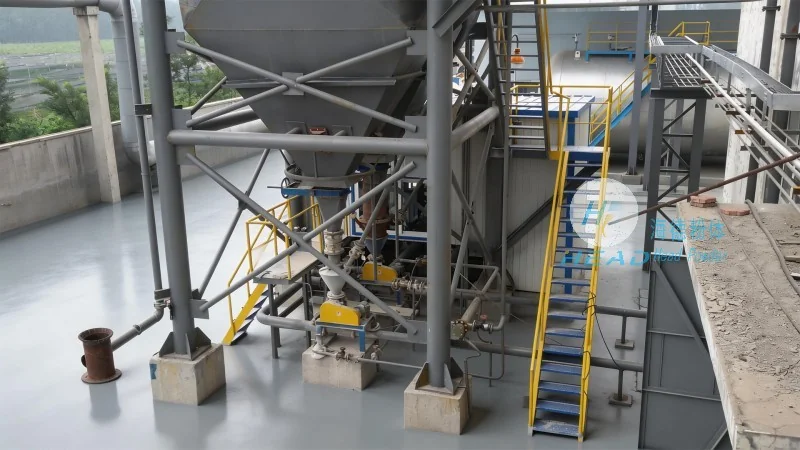
HeadPowder Engineering Co., Ltd., a leading manufacturer based in Shandong, China, specializes in providing customized material handling solutions. With years of experience in the industry, HeadPowder offers a range of conveying equipment tailored to meet the specific needs of clients. The company's commitment to quality and innovation has made it a trusted partner for businesses seeking efficient and durable limestone powder handling systems.
Common Conveying Methods for Limestone Powder
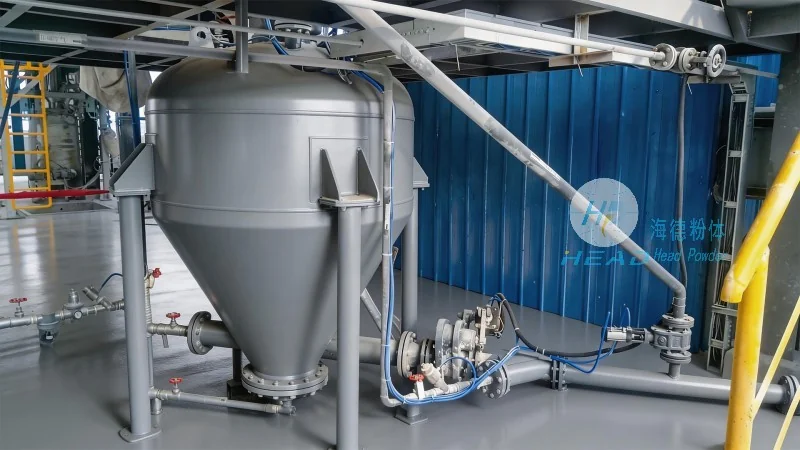
Several methods are commonly used for transporting limestone powder, each with distinct characteristics and suitability for different scenarios. The primary options include pneumatic conveying, screw conveyors, and pipeline systems. Each method has its own set of advantages and considerations that influence the final selection.
Pneumatic Conveying Systems
Pneumatic conveying uses air or other gases to transport material through a pipeline. This method is particularly effective for handling fine powders like limestone, as it minimizes material degradation and dust generation. There are two main types of pneumatic systems: pressure and vacuum. Pressure systems are suitable for long-distance transport and can handle larger volumes, while vacuum systems are ideal for short distances and require less pressure. Pneumatic conveying offers high flexibility, as it can be easily integrated into existing plant layouts. However, it may require more energy compared to other methods and may not be suitable for very abrasive materials.
Screw Conveyors
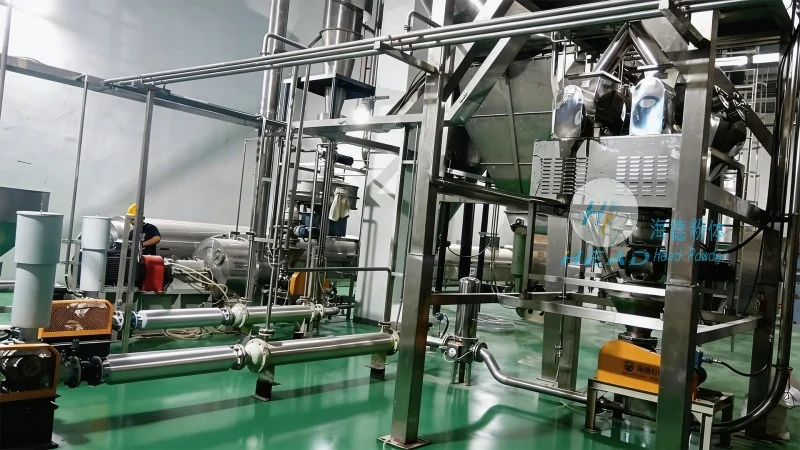
Screw conveyors, also known as auger conveyors, use a rotating screw to move material along a trough. This method is well-suited for handling bulk materials and is commonly used in limestone processing plants. Screw conveyors are relatively simple in design, making them easy to install and maintain. They can operate in both horizontal and inclined positions, allowing for vertical transport as well. The main advantage of screw conveyors is their low cost and simplicity. However, they may not be suitable for very fine powders, as the material can accumulate on the screw and cause blockages. Additionally, screw conveyors may generate more dust compared to other methods.
Pipeline Conveying Systems
Pipeline conveying systems combine the principles of pneumatic and mechanical conveying. They use a combination of air and mechanical force to transport material through a closed pipeline. This method is highly efficient for long-distance transport and can handle large volumes of limestone powder. Pipeline systems are often used in large-scale industrial applications, such as cement production and mining. The main advantage of pipeline conveying is its high capacity and low energy consumption. However, it requires a more complex setup and may be more expensive to install compared to other methods. Additionally, maintenance can be more challenging due to the enclosed nature of the system.
Choosing the Right Conveying Method
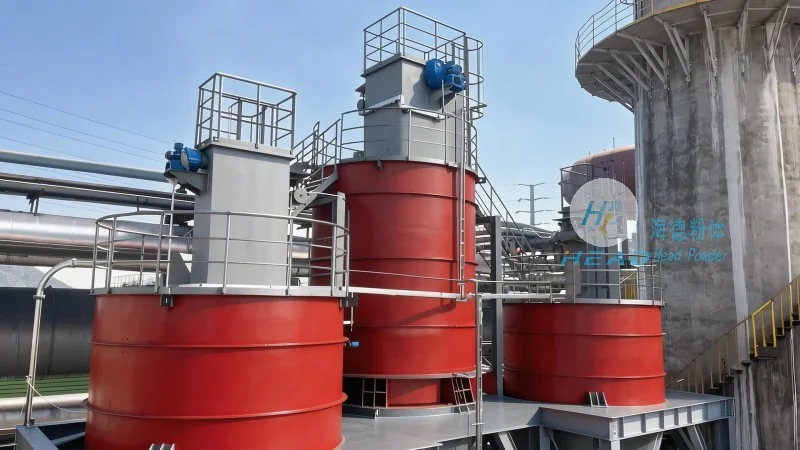
The selection of the most appropriate limestone powder conveying method depends on several factors, including the material's properties, the distance to be covered, and the required throughput. For short distances and moderate volumes, screw conveyors may be sufficient. For longer distances and higher volumes, pneumatic or pipeline systems are more suitable. It is also important to consider the plant layout and available space, as well as the need for dust control and material handling efficiency. Consulting with a professional material handling expert, such as those at HeadPowder Engineering Co., Ltd., can help in making an informed decision that optimizes both performance and cost.

 Shandong Headpowder Engineering Co., Ltd.
 156-6277-7102(Quản lý Trương)
  0531-83386006
  Thành phố Tế Nam, Tỉnh Sơn Đông, Trung Quốc
Điện thoại
WeChatTư vấn
Lên đầu