Với hơn 10 năm kinh nghiệm về vận chuyển khí nén, Headpowder Sơn Đông cung cấp hệ thống, thiết bị và quạt gió toàn chuỗi, đảm nhận các dự án kỹ thuật bột trọn gói trên toàn quốc.
For industries dealing with silica earth powder, selecting the right conveying method is crucial to ensure efficiency, safety, and cost-effectiveness. Silica earth, a natural sedimentary rock composed primarily of diatom skeletons, is widely used in filtration, insulation, and other industrial applications. Its fine particle size and light weight present unique challenges during material handling, making the choice of a suitable conveying system a critical decision. This article explores common silica earth powder conveying methods, with a focus on the advantages and applications of pneumatic conveying, a popular solution for handling such powders.
Understanding Silica Earth Powder and Conveying Challenges
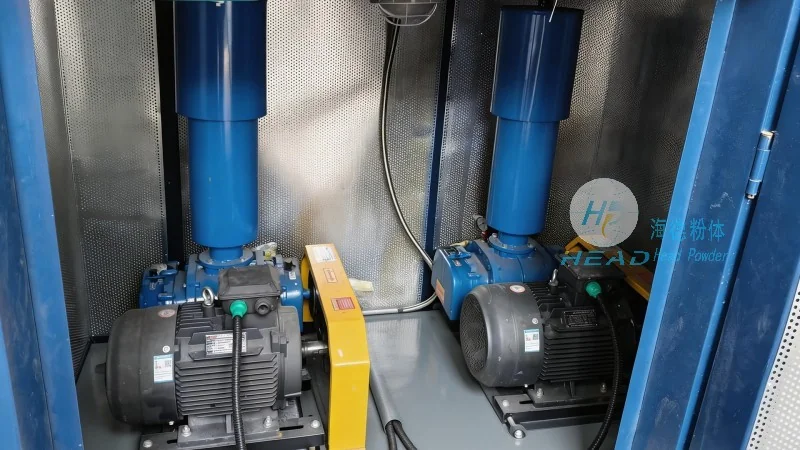
Silica earth powder, also known as diatomaceous earth, is characterized by its high porosity, low bulk density, and fine particle size, typically ranging from 0.1 to 100 microns. These properties make it susceptible to dust generation, caking, and blockage in traditional bulk material handling systems. Conventional methods like belt conveyors or screw conveyors may struggle with the fine particles, leading to increased maintenance costs, reduced throughput, and potential health hazards from airborne dust. For example, in a filtration plant, the accumulation of fine silica earth particles in a screw conveyor can cause significant downtime for cleaning and maintenance. Additionally, the dust generated during handling can pose respiratory risks to workers, necessitating stringent safety measures and equipment. Therefore, specialized conveying systems are often required to maintain process efficiency and worker safety.
Common Conveying Methods for Silica Earth Powder
Several conveying methods are employed in the handling of silica earth powder, each with its own advantages and limitations. The primary options include mechanical conveyors, pneumatic conveying systems, and hydraulic systems. Mechanical conveyors, such as belt or screw conveyors, are widely used for bulk materials but may not be suitable for fine powders due to the risk of clogging and increased friction. For instance, a belt conveyor transporting silica earth powder may experience frequent belt slip or material buildup, reducing its operational life. Hydraulic systems, while effective for some applications, are less common for silica earth powder due to the potential for material degradation and higher operational costs. In hydraulic systems, the material may come into contact with water or other liquids, which can cause the silica earth to clump or degrade over time. Pneumatic conveying, however, has emerged as a preferred method for its ability to handle fine powders efficiently and safely.
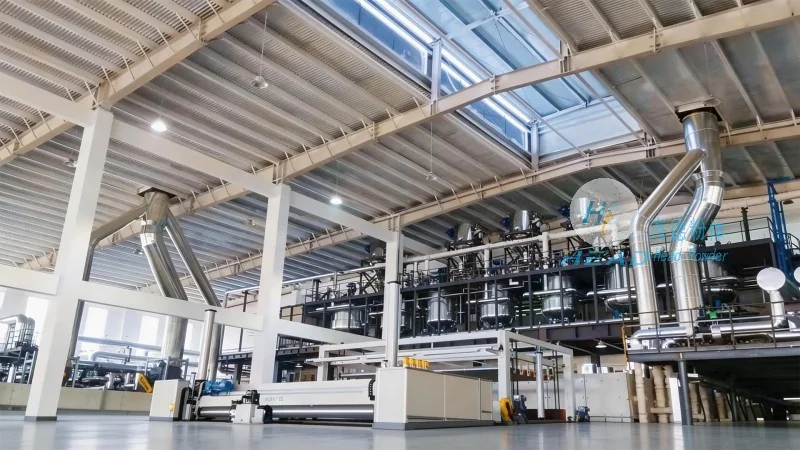
Pneumatic Conveying: A Comprehensive Overview
Pneumatic conveying is a method of transporting bulk materials through a pipeline using air or other gases. It is particularly well-suited for silica earth powder due to its ability to handle fine particles, prevent dust dispersion, and maintain a closed system to control emissions. There are two main types of pneumatic conveying systems: pressure and vacuum. Pressure systems use compressed air to push the material through the pipeline, while vacuum systems use a vacuum to draw the material into the system. Both types can be further classified as dilute-phase or dense-phase, depending on the material flow rate and particle size. Dilute-phase pneumatic conveying involves the material being suspended in a stream of air and transported through the pipeline at high velocity. This method is ideal for long-distance and high-volume applications, as it offers low pressure drop and high throughput. Dense-phase pneumatic conveying, on the other hand, involves the material being transported in a plug-like flow, with the air acting as a carrier. This method is better suited for materials that are prone to clogging or require gentle handling, such as silica earth powder with high moisture content.

Advantages of Pneumatic Conveying for Silica Earth Powder
Pneumatic conveying offers several advantages over traditional mechanical methods for silica earth powder. First, it provides a closed system, which helps to contain dust and prevent environmental contamination. This is particularly important for silica earth, which can be a respiratory hazard if inhaled. The closed system also reduces the risk of material loss and contamination from external sources. Second, it allows for gentle handling of the material, reducing the risk of particle degradation or caking. Unlike mechanical conveyors that may cause friction and impact, pneumatic systems use air to move the material, minimizing damage to the particles. Third, pneumatic systems can be easily integrated with other process equipment, such as filters or reactors, to form a continuous production line. This integration enhances overall process efficiency and reduces the need for manual handling. Finally, they offer high flexibility, as the conveying line can be easily reconfigured to accommodate changes in production volume or material flow. For example, a pneumatic system can be adjusted to handle different grades of silica earth powder without significant modifications.

 Shandong Headpowder Engineering Co., Ltd.
 156-6277-7102(Quản lý Trương)
  0531-83386006
  Thành phố Tế Nam, Tỉnh Sơn Đông, Trung Quốc
Điện thoại
WeChatTư vấn
Lên đầu