Với hơn 10 năm kinh nghiệm về vận chuyển khí nén, Headpowder Sơn Đông cung cấp hệ thống, thiết bị và quạt gió toàn chuỗi, đảm nhận các dự án kỹ thuật bột trọn gói trên toàn quốc.
Desulfurization processes in modern industrial applications frequently require the efficient handling and transportation of sodium bicarbonate, a key reagent used in flue gas desulfurization (FGD) systems. The proper selection of a conveying method is crucial for maintaining system efficiency, minimizing operational costs, and ensuring environmental compliance. This article explores common sodium bicarbonate conveying methods and highlights the advantages of HeadPowder's pneumatic conveying technology for this application.
Traditional Conveying Methods for Sodium Bicarbonate
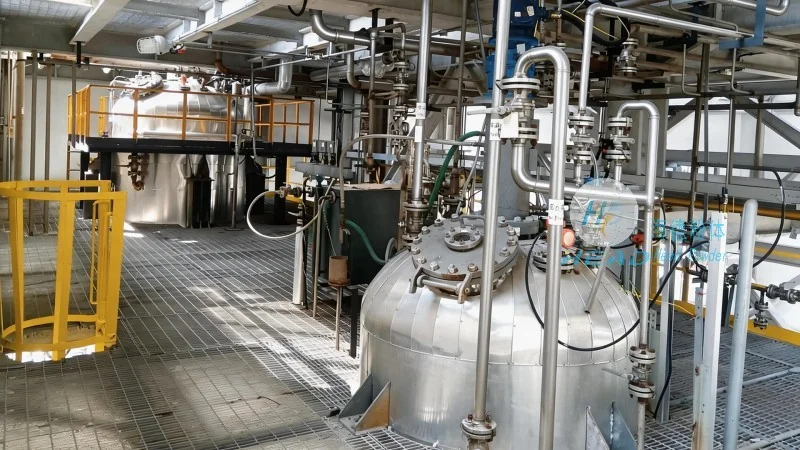
Historically, several conventional methods have been employed for transporting sodium bicarbonate. These include gravity flow, belt conveyors, and screw conveyors. Gravity flow systems rely on the material's natural slope to move it from one point to another, which is suitable for short distances and relatively low material volumes. Belt conveyors are widely used in bulk material handling due to their ability to transport large quantities over longer distances, but they require significant space and maintenance. Screw conveyors are effective for vertical or inclined transport but can experience issues with material bridging and blockages, especially with fine powders like sodium bicarbonate.
Challenges with Conventional Conveying Systems
Despite their widespread use, traditional conveying methods present several challenges when applied to sodium bicarbonate. One major issue is the risk of material degradation, such as caking or agglomeration, which can lead to blockages and system downtime. Additionally, these systems often require frequent cleaning and maintenance to prevent material buildup, increasing operational costs. Another challenge is the difficulty in maintaining consistent flow rates, which can affect the overall performance of the desulfurization process. Environmental factors, such as dust emissions, also pose a concern with open or poorly sealed conveyors, necessitating additional dust control measures.
HeadPowder's Pneumatic Conveying Technology: Advantages and Features
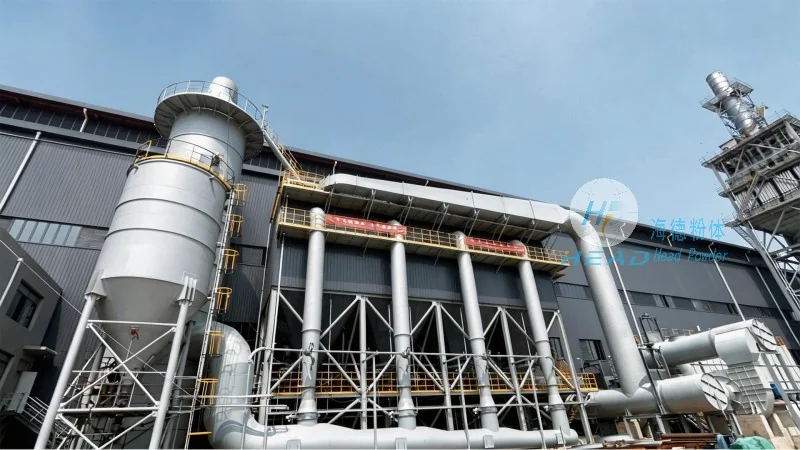
HeadPowder, a leading provider of material handling solutions, offers advanced pneumatic conveying systems specifically designed for the efficient transport of sodium bicarbonate. Pneumatic conveying utilizes compressed air to move material through a pipeline, eliminating the need for mechanical components like belts or screws. This approach provides several key advantages over traditional methods.
Efficiency and Cost-Effectiveness
One of the primary benefits of HeadPowder's pneumatic conveying system is its high efficiency in material transport. The system can handle large volumes of sodium bicarbonate with minimal energy consumption, as the compressed air provides the necessary force to move the material through the pipeline. This results in lower operational costs compared to belt or screw conveyors, which often require more power and maintenance. The absence of moving parts also reduces the risk of mechanical failure, leading to fewer downtime incidents and lower maintenance expenses over the system's lifespan.
Reduced Material Degradation and Contamination
A significant advantage of pneumatic conveying is the reduced risk of material degradation. Unlike mechanical systems that can cause friction and abrasion, the air flow in the pipeline gently transports the sodium bicarbonate, minimizing the formation of clumps or agglomerates. This is particularly important for sodium bicarbonate, as caking can affect its reactivity in the desulfurization process. Additionally, the enclosed system design helps prevent contamination from external sources, ensuring the material remains pure and effective for its intended use.
Flexibility and Scalability
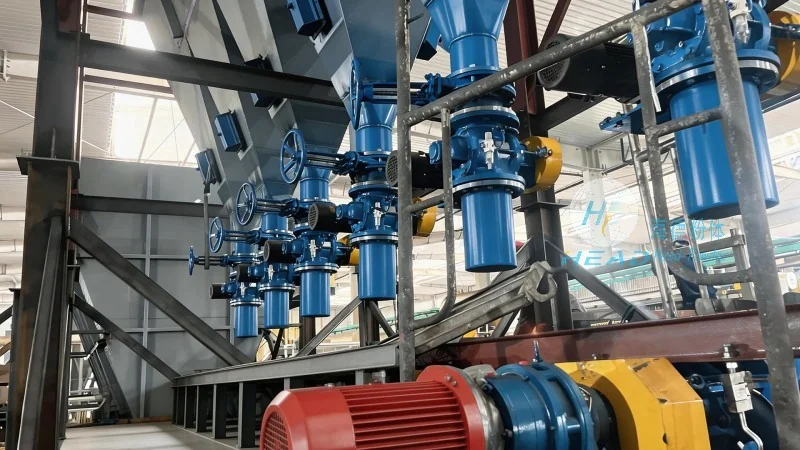
HeadPowder's pneumatic conveying systems are highly flexible and scalable, making them suitable for a wide range of applications and system sizes. The modular design allows for easy integration into existing desulfurization plants, with the ability to expand or modify the system as operational needs change. This flexibility is especially valuable in industrial settings where processes may evolve over time, requiring adaptable material handling solutions. The system can be configured for both horizontal and vertical transport, accommodating different plant layouts and spatial constraints.
Environmental and Safety Benefits
Environmental considerations are a critical factor in modern industrial operations, and HeadPowder's pneumatic conveying technology offers notable advantages in this area. The enclosed pipeline system effectively contains dust and particles, minimizing emissions and reducing the need for additional dust control equipment. This not only improves air quality but also helps companies comply with environmental regulations, avoiding potential fines or penalties. Furthermore, the system's design reduces the risk of material spillage or leakage, enhancing workplace safety and reducing the risk of accidents related to handling sodium bicarbonate.
Conclusion: Choosing the Right Conveying Solution
When selecting a conveying method for sodium bicarbonate in desulfurization applications, it is essential to consider the specific requirements of the process, including material characteristics, system layout, and operational efficiency. While traditional methods like belt and screw conveyors have been used for decades, they often present challenges related to material degradation, maintenance, and environmental compliance. HeadPowder's pneumatic conveying technology addresses these issues by providing a more efficient, reliable, and environmentally friendly solution. By leveraging advanced pneumatic systems, industrial facilities can optimize their desulfurization processes, reduce costs, and ensure consistent performance. For companies seeking a superior material handling solution for sodium bicarbonate, HeadPowder's expertise and innovative technology offer a compelling choice.

 Shandong Headpowder Engineering Co., Ltd.
 156-6277-7102(Quản lý Trương)
  0531-83386006
  Thành phố Tế Nam, Tỉnh Sơn Đông, Trung Quốc
Điện thoại
WeChatTư vấn
Lên đầu