Với hơn 10 năm kinh nghiệm về vận chuyển khí nén, Headpowder Sơn Đông cung cấp hệ thống, thiết bị và quạt gió toàn chuỗi, đảm nhận các dự án kỹ thuật bột trọn gói trên toàn quốc.
Clay, a versatile and widely used material in various industries, requires efficient and reliable transport methods to ensure smooth operations. The choice of transport system significantly impacts productivity, material integrity, and operational costs. This article provides a detailed comparison of common clay transport methods, highlighting the advantages and considerations for each approach.
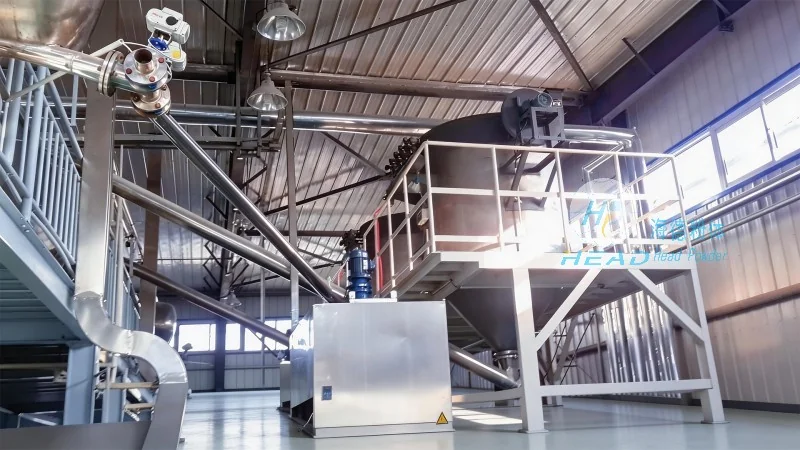
Overview of HeadPowder's Expertise
HeadPowder, a leading manufacturer based in Shandong, China, specializes in engineering solutions for material handling, including clay transport systems. With years of experience in the industry, HeadPowder combines technical expertise and innovative design to deliver high-performance equipment tailored to specific application needs. The company's commitment to quality and customer satisfaction makes it a trusted partner for businesses seeking efficient clay handling solutions.
Key Factors in Choosing a Clay Transport System
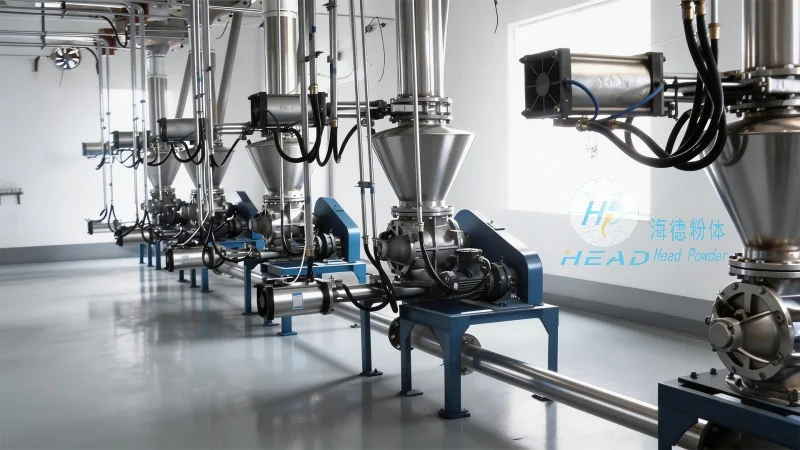
When selecting a clay transport method, several factors must be considered to ensure optimal performance. These include the type and consistency of the clay (e.g., dry, wet, or slurry), the distance and elevation changes, the required throughput capacity, and the environmental constraints of the operation. Additionally, factors such as maintenance requirements, energy consumption, and material compatibility with the transport equipment are crucial in making an informed decision.
Comparative Analysis of Common Transport Methods
Several methods are commonly used for clay transport, each with distinct characteristics and applications. The following sections provide a detailed comparison of screw conveyors, pneumatic conveying systems, hydraulic/slurry pumps, and belt conveyors, outlining their suitability for different clay handling scenarios.
Screw Conveyors for Clay Handling
Screw conveyors, also known as auger conveyors, are widely used for transporting dry or semi-dry clay due to their simplicity and effectiveness. These systems consist of a rotating screw (auger) inside a trough, which moves material forward through the conveyor. Screw conveyors are particularly suitable for horizontal or slight incline transport, with capacities ranging from low to moderate. They are easy to install, maintain, and operate, making them a cost-effective solution for many applications. However, their efficiency may decrease with highly abrasive or sticky clay, as the screw and trough can experience wear and clogging.
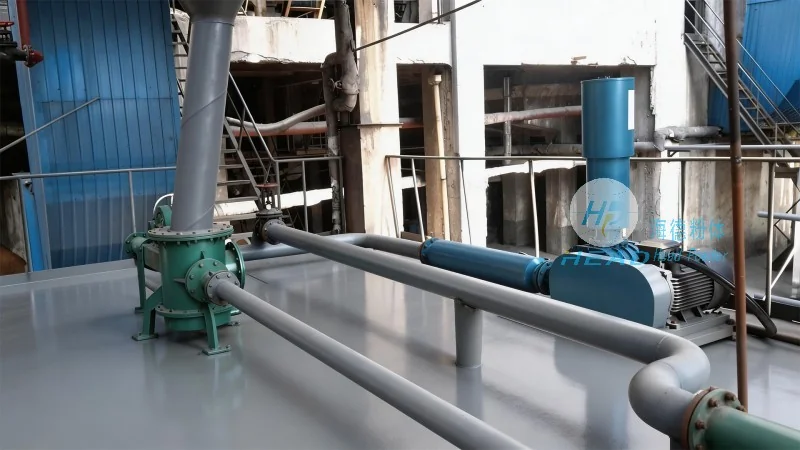
Pneumatic Conveying Systems
Pneumatic conveying uses air pressure to transport clay particles through a pipeline. This method is ideal for handling fine or powdery clay, as it minimizes material degradation and contamination. Pneumatic systems can be categorized into pressure and vacuum types, each offering different advantages. Pressure systems are suitable for short to medium distances, while vacuum systems are better for longer distances or when material needs to be collected from multiple points. Pneumatic conveying is advantageous for applications requiring dust control and material transfer over obstacles. However, it may not be suitable for very wet or sticky clay, as the air flow can be obstructed, leading to reduced efficiency and increased energy consumption.
Hydraulic or Slurry Pumps
For transporting wet or slurry clay, hydraulic pumps are often the preferred choice. These systems use water or other liquids to create a slurry, which is then pumped through pipes. Slurry pumps are capable of handling high volumes of material and can transport clay over long distances, including vertical lifts. They are particularly effective for applications involving heavy clay loads and challenging terrain. However, slurry pumping requires careful consideration of pump maintenance, as the equipment is subject to wear from abrasive particles. Additionally, the system may need additional components like filters or dewatering equipment to manage the slurry consistency.
Belt Conveyors in Clay Processing
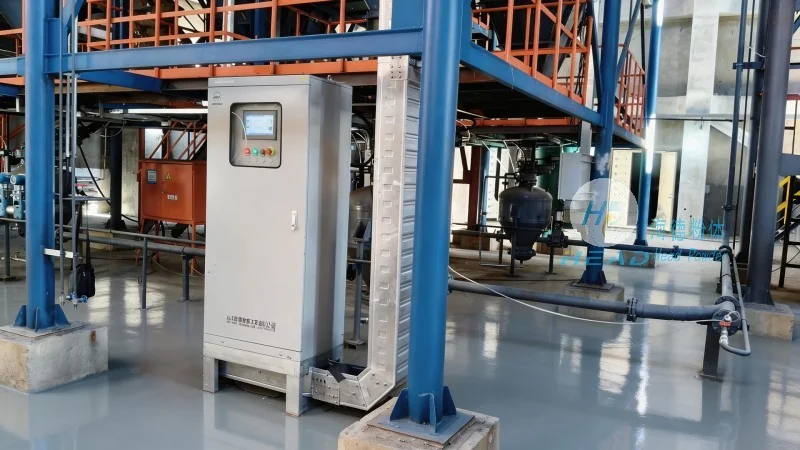
Belt conveyors are commonly used in large-scale clay processing operations, such as in mining or manufacturing facilities. These systems use a continuous belt to transport clay over long distances, often with multiple inclines and declines. Belt conveyors are suitable for both dry and wet clay, with capacities ranging from moderate to high. They are efficient for horizontal transport and can handle large volumes of material. However, they require regular maintenance to prevent belt wear and slippage, and the system may need additional support structures for steep inclines. Belt conveyors are also susceptible to material buildup on the belt, which can affect performance and require cleaning mechanisms.
Selecting the Right Transport Solution
The choice of clay transport method depends on the specific requirements of the application. For dry or semi-dry clay with moderate throughput, screw conveyors may be the most economical choice. For fine or powdery clay requiring dust control, pneumatic conveying systems offer advantages. For wet or slurry clay over long distances, hydraulic pumps are often the best option. Belt conveyors are ideal for large-scale operations with high material volumes and complex layouts. It is essential to evaluate the pros and cons of each method, considering factors like material characteristics, operational distance, and budget constraints, to select the most suitable transport solution.
HeadPowder, with its headquarters in Shandong, China, provides comprehensive clay transport solutions tailored to diverse industrial needs. The company's expertise in material handling engineering ensures that clients receive customized systems that enhance efficiency, reduce costs, and improve overall operational performance. By understanding the unique challenges of clay transport, HeadPowder delivers reliable and durable equipment that meets the demands of modern industrial applications.

 Shandong Headpowder Engineering Co., Ltd.
 156-6277-7102(Quản lý Trương)
  0531-83386006
  Thành phố Tế Nam, Tỉnh Sơn Đông, Trung Quốc
Điện thoại
WeChatTư vấn
Lên đầu