Với hơn 10 năm kinh nghiệm về vận chuyển khí nén, Headpowder Sơn Đông cung cấp hệ thống, thiết bị và quạt gió toàn chuỗi, đảm nhận các dự án kỹ thuật bột trọn gói trên toàn quốc.
Efficient and reliable mineral sand transportation is a critical aspect of mining and processing operations. The choice of conveying method directly impacts productivity, operational costs, and environmental considerations. This article explores several common mineral sand conveying methods, analyzing their features, applications, and performance in industrial settings. The information is presented by Shandong HeadPowder Engineering Co., Ltd., a leading provider of bulk material handling solutions based in China.
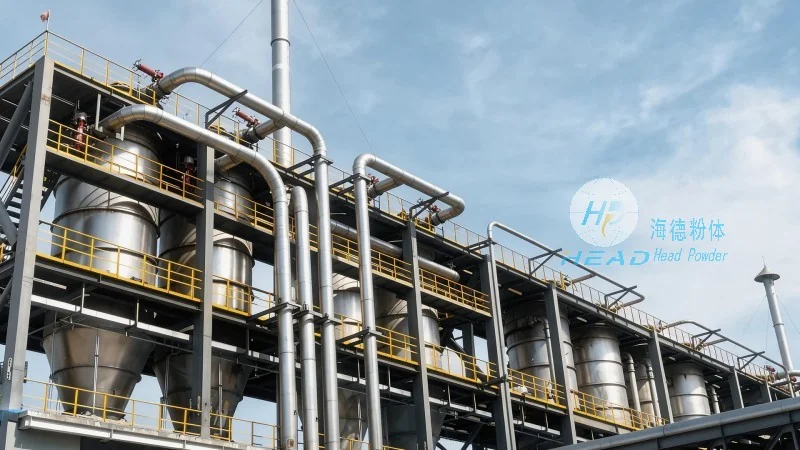
Belt Conveyors: The Workhorse of Bulk Material Handling
Belt conveyors are among the most widely used systems for transporting mineral sands due to their versatility and efficiency. These systems consist of a continuous belt that moves material from one point to another, often over long distances. The primary components include a drive system, idlers, pulleys, and a frame structure. Belt conveyors are particularly suitable for transporting large volumes of sand over horizontal or gently inclined paths. They are commonly employed in mining sites, processing plants, and storage facilities. The smooth operation of belt conveyors minimizes material degradation and reduces maintenance requirements compared to other methods. However, they may face challenges with abrasive materials or high temperatures, which can affect the belt's lifespan and performance.
Screw Conveyors: Compact and Versatile for Horizontal Transport
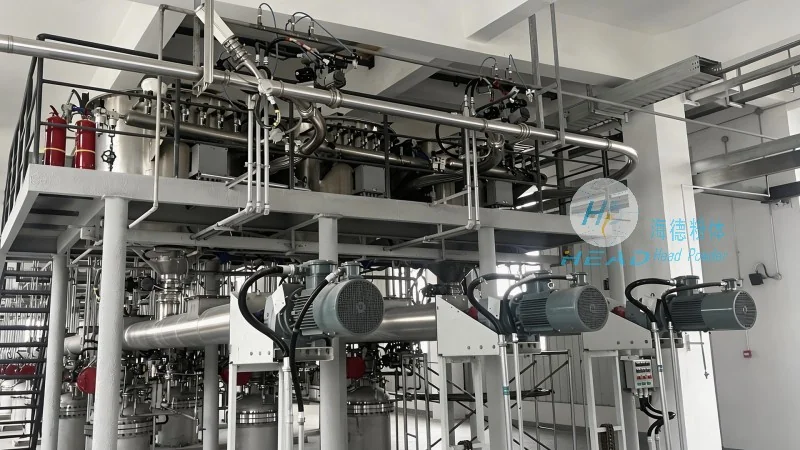
Screw conveyors, also known as auger conveyors, are ideal for transporting mineral sands in a compact and enclosed manner. These systems use a rotating screw (auger) to move material along a trough. Screw conveyors are particularly effective for horizontal or slightly inclined transport, making them suitable for applications where space is limited or where dust control is a priority. They are commonly used in processing plants for feeding, dosing, and transferring sand between equipment. The enclosed design of screw conveyors helps contain dust and prevent material spillage, which is beneficial in environments where environmental regulations are strict. However, screw conveyors may experience higher friction and wear compared to belt conveyors, especially with abrasive mineral sands. Regular maintenance, such as lubrication and screw replacement, is essential to ensure optimal performance.
Pneumatic Conveying: Air-Driven Transport for Dusty Materials
Pneumatic conveying systems use air or gas to transport mineral sands through a pipeline. This method is particularly advantageous for handling dusty or fine-grained materials, as it eliminates the need for open chutes and reduces dust exposure. Pneumatic conveyors can be classified into two main types: pressure and vacuum systems. Pressure systems push material through the pipeline using compressed air, while vacuum systems draw material into the system using a vacuum. Pneumatic conveying is commonly used in applications where material needs to be transported over moderate distances or where dust control is critical, such as in processing plants or storage facilities. The flexibility of pneumatic systems allows for multiple transfer points and changes in direction, making them suitable for complex layouts. However, pneumatic conveying may have higher energy consumption compared to mechanical systems, and the design must account for material properties like moisture content and particle size to prevent blockages or system inefficiencies.
Hydraulic Conveying: Water-Based Transport for Wet Mineral Sands
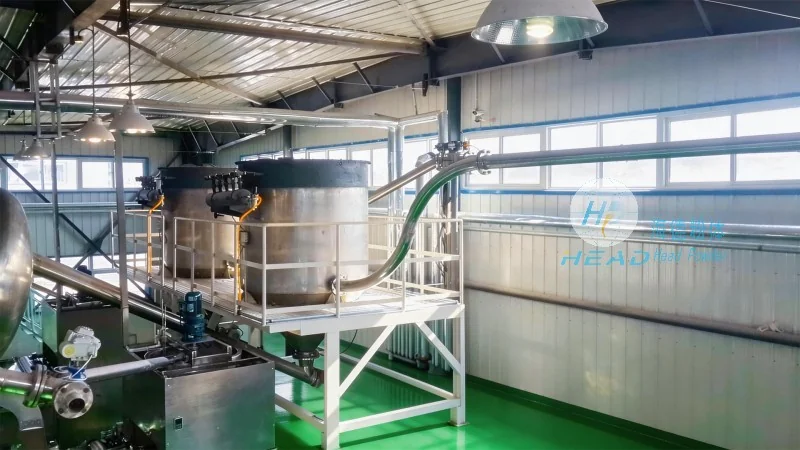
Hydraulic conveying systems utilize water to transport mineral sands, particularly in applications involving wet or slurry materials. These systems are commonly used in mining operations where the sand is mixed with water to form a slurry, which is then pumped through pipelines to processing facilities. Hydraulic conveyors are effective for transporting large volumes of material over long distances, especially in areas with challenging terrain or where the material is highly abrasive. The use of water helps reduce friction and wear on the pipeline and equipment, extending their operational life. However, hydraulic systems require careful management of water usage and disposal, as the slurry may contain contaminants that need to be treated before discharge. Additionally, the system must be designed to handle the specific properties of the slurry, such as viscosity and density, to ensure efficient transport.
Comparison and Selection Criteria
When selecting a mineral sand conveying method, several factors must be considered to ensure the best fit for the application. The key criteria include the volume and characteristics of the material (e.g., particle size, moisture content, abrasiveness), the distance and layout of the transport route, the available space and budget, and environmental regulations. Belt conveyors are generally the most cost-effective for long-distance horizontal transport of large volumes. Screw conveyors are ideal for compact, enclosed transport in processing plants. Pneumatic systems excel in dust control and flexible layouts, while hydraulic conveyors are suitable for wet or slurry materials. Shandong HeadPowder Engineering Co., Ltd. offers customized conveying solutions tailored to these factors, ensuring optimal performance and efficiency for each client's specific needs.
Conclusion
Choosing the right mineral sand conveying method is essential for the success of mining and processing operations. Each method has its strengths and limitations, and the selection should be based on a thorough analysis of the material properties, operational requirements, and environmental considerations. By understanding the characteristics of belt conveyors, screw conveyors, pneumatic systems, and hydraulic conveyors, industries can make informed decisions that enhance productivity, reduce costs, and ensure compliance with regulations. Shandong HeadPowder Engineering Co., Ltd. remains committed to providing high-quality conveying solutions that meet the diverse needs of the mineral sand industry, supporting clients in achieving their operational goals efficiently and sustainably.

 Shandong Headpowder Engineering Co., Ltd.
 156-6277-7102(Quản lý Trương)
  0531-83386006
  Thành phố Tế Nam, Tỉnh Sơn Đông, Trung Quốc
Điện thoại
WeChatTư vấn
Lên đầu