Với hơn 10 năm kinh nghiệm về vận chuyển khí nén, Headpowder Sơn Đông cung cấp hệ thống, thiết bị và quạt gió toàn chuỗi, đảm nhận các dự án kỹ thuật bột trọn gói trên toàn quốc.
When it comes to handling PVC materials in industrial settings, selecting the right conveying method is crucial for efficiency, safety, and cost-effectiveness. PVC, a versatile plastic widely used in construction, manufacturing, and other industries, requires specialized equipment to ensure smooth and reliable transport. This article provides a detailed comparison of common PVC conveying methods, helping businesses make informed decisions based on their specific needs.
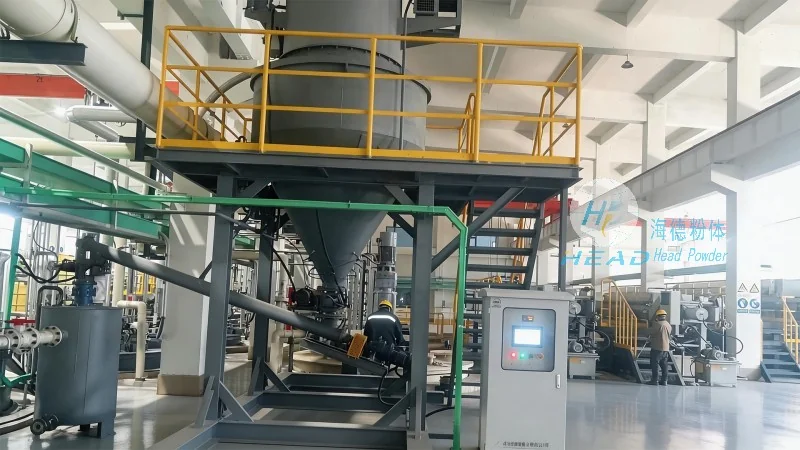
Key Factors to Consider Before Choosing a Conveying Method
Before diving into the specific types of PVC conveying systems, it's essential to understand the key factors that influence the choice of a conveying method. These factors include the properties of the PVC material (such as density, moisture content, and particle size), the distance and elevation changes required for transport, the desired throughput rate, and the available space in the facility. Additionally, the budget and maintenance requirements play a significant role in the decision-making process. By evaluating these factors, businesses can select a conveying method that optimizes performance while minimizing operational costs.
1. Screw Conveyors for PVC Transport
Screw conveyors, also known as auger conveyors, are one of the most common and effective methods for transporting PVC materials. These systems consist of a rotating helical screw inside a cylindrical tube, which moves the material forward through the tube. Screw conveyors are particularly suitable for PVC powders, granules, and small pellets due to their ability to handle materials with varying moisture content and particle sizes. The design of the screw (e.g., solid or sectional) and the speed of rotation can be adjusted to control the flow rate and prevent material degradation. For example, a solid screw is ideal for dry PVC powders, while a sectional screw may be preferred for wet or sticky materials to prevent clogging. The headpowder company, Shandong HeadPowder Engineering Co., Ltd., specializes in designing and manufacturing high-quality screw conveyors tailored to the unique requirements of PVC processing plants. Their expertise ensures that the conveying systems are built to withstand the abrasive nature of PVC and maintain consistent performance over time.
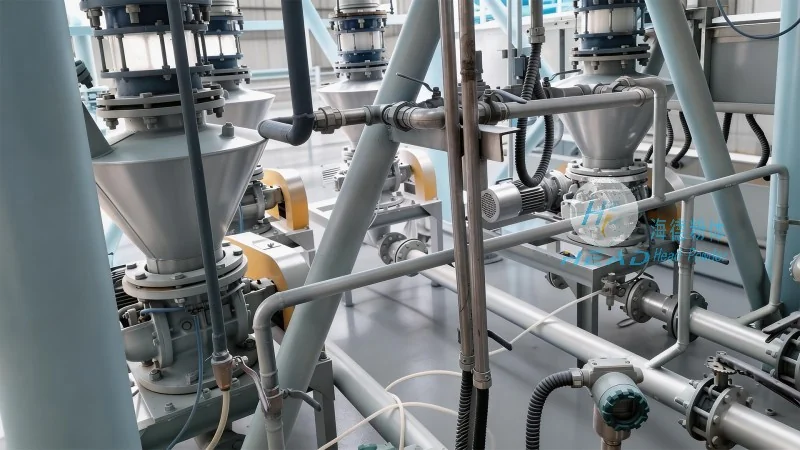
2. Pneumatic Conveying Systems for PVC
Pneumatic conveying systems use air or other gases to transport PVC materials through a network of pipes. These systems are particularly effective for handling fine powders and granules, as they can move materials over long distances without the need for mechanical components at the end points. There are two main types of pneumatic conveying: positive displacement and pressure/venturi systems. Positive displacement systems use a pump to create a vacuum or pressure, drawing the material into the system and pushing it forward. Pressure systems, on the other hand, use compressed air to force the material through the pipes. Venturi systems combine a high-velocity air stream with a converging nozzle to create a vacuum that pulls the material along. Pneumatic conveying is often preferred for applications where the PVC material is sensitive to mechanical stress or where a dust-free environment is required. However, it may not be suitable for heavy or large particles due to the potential for clogging or increased energy consumption. The choice of pneumatic conveying method depends on the specific characteristics of the PVC material and the operational requirements of the plant.
3. Belt Conveyors for Bulk PVC Transport
Belt conveyors are widely used for transporting bulk PVC materials, such as pellets or large chunks, over short to medium distances. These systems consist of a continuous belt that moves over rollers or a series of pulleys, carrying the material from one point to another. Belt conveyors are known for their high capacity and ability to handle heavy loads, making them ideal for large-scale PVC processing facilities. The design of the belt (e.g., rubber or plastic) and the type of rollers (e.g., smooth or cleated) can be customized to suit the specific properties of the PVC material. For example, a rubber belt with cleated rollers is suitable for transporting PVC pellets to prevent slippage and ensure stable transport. Belt conveyors are also relatively easy to install and maintain, which reduces downtime and operational costs. However, they may not be suitable for fine powders or materials that are prone to dust generation, as the open design can lead to dust exposure. The headpowder company offers a range of belt conveyor solutions designed to meet the diverse needs of PVC manufacturers, ensuring reliable and efficient material transport.
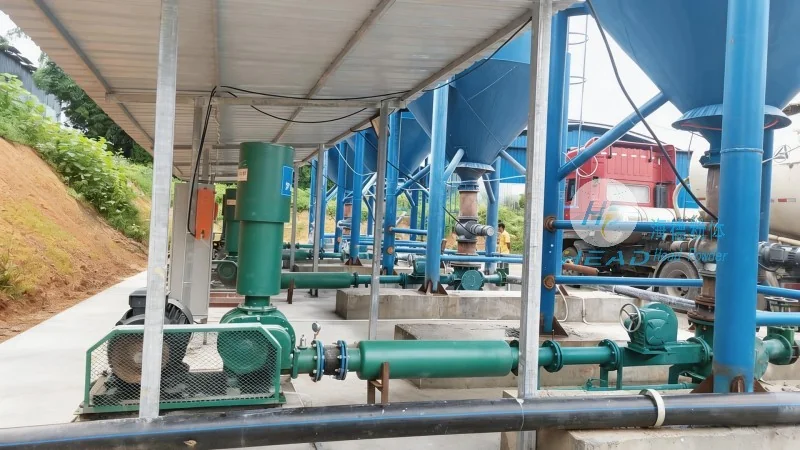
4. Hydraulic Conveying for Specialized PVC Handling
Hydraulic conveying systems use fluid pressure to transport PVC materials through a pipeline. These systems are particularly effective for handling materials that are difficult to convey using other methods, such as highly abrasive or corrosive PVC compounds. The hydraulic system consists of a pump that circulates a fluid (often water or a specialized hydraulic fluid) through the pipeline, carrying the material along with it. The pressure and flow rate of the hydraulic system can be adjusted to control the speed and direction of the material transport. Hydraulic conveying is often used in applications where the PVC material needs to be transported over long distances or through complex layouts, such as in large-scale manufacturing plants. However, it requires specialized equipment and expertise to maintain, as hydraulic systems are more complex and prone to leaks or failures compared to other conveying methods. The headpowder company has experience in designing hydraulic conveying systems for specialized PVC applications, ensuring that the systems are reliable and efficient even in challenging environments.
Conclusion: Choosing the Right PVC Conveying Method
Selecting the appropriate PVC conveying method is a critical decision that impacts the overall efficiency and profitability of a PVC processing plant. By considering factors such as material properties, distance, and operational requirements, businesses can choose a conveying system that meets their specific needs. Screw conveyors are ideal for dry powders and granules, pneumatic systems are suitable for fine materials over long distances, belt conveyors are effective for bulk transport, and hydraulic systems are used for specialized applications. The headpowder company, Shandong HeadPowder Engineering Co., Ltd., provides comprehensive solutions for PVC conveying, including design, manufacturing, and installation services. With their expertise and commitment to quality, businesses can rely on headpowder to deliver reliable and efficient conveying systems that enhance their productivity and reduce operational costs. Whether you need a screw conveyor for your PVC powder handling or a pneumatic system for your granules, headpowder has the solutions to meet your needs.

 Shandong Headpowder Engineering Co., Ltd.
 156-6277-7102(Quản lý Trương)
  0531-83386006
  Thành phố Tế Nam, Tỉnh Sơn Đông, Trung Quốc
Điện thoại
WeChatTư vấn
Lên đầu