Với hơn 10 năm kinh nghiệm về vận chuyển khí nén, Headpowder Sơn Đông cung cấp hệ thống, thiết bị và quạt gió toàn chuỗi, đảm nhận các dự án kỹ thuật bột trọn gói trên toàn quốc.
When it comes to the efficient and reliable transportation of raw materials used in lithium-ion battery production, selecting the right handling method is crucial for optimizing production processes and ensuring product quality. Among the various options available, pneumatic conveying stands out as a highly effective solution, particularly for the specialized needs of lithium battery manufacturers. This article provides an in-depth look at the advantages and key characteristics of pneumatic conveying systems, highlighting why they are increasingly preferred in the lithium-ion battery industry.
Understanding Lithium-Ion Battery Raw Material Handling
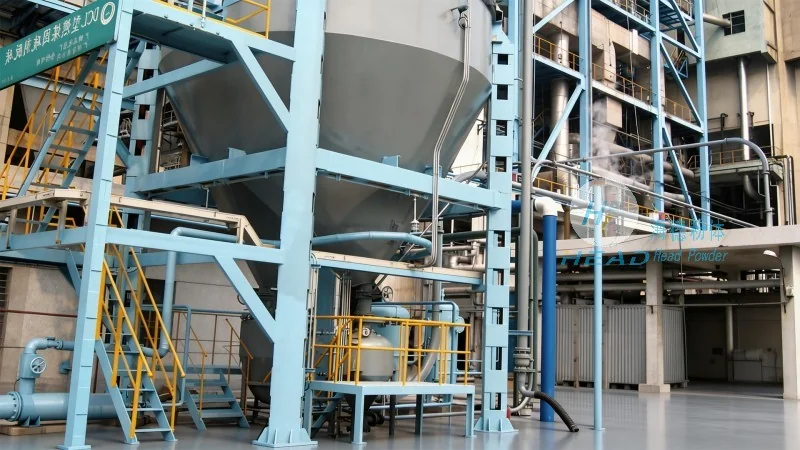
Before delving into the specifics of pneumatic conveying, it's essential to understand the types of raw materials involved in lithium-ion battery production and the challenges they present. Lithium-ion batteries rely on a range of materials, including lithium compounds, cobalt, nickel, manganese, graphite, and various polymers. These materials often have unique properties—such as being fine powders, abrasive, or sensitive to moisture—that require specialized handling techniques to prevent degradation or contamination.
The Role of Pneumatic Conveying in Lithium Battery Manufacturing
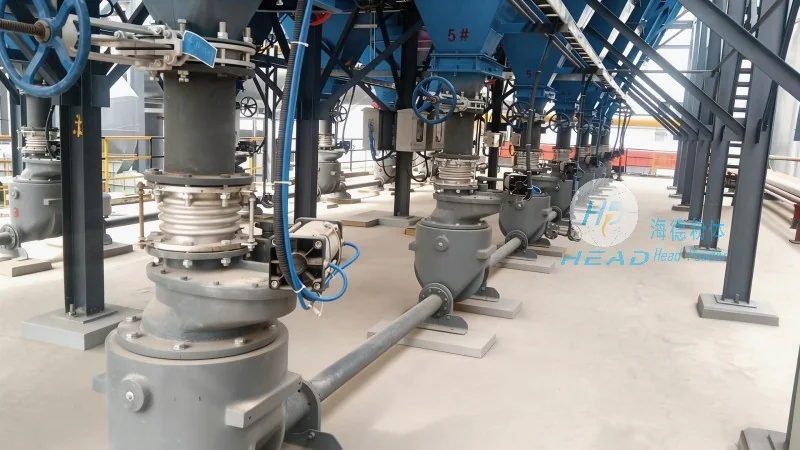
Pneumatic conveying systems utilize air or other gases to transport bulk materials from one location to another, offering a flexible and efficient alternative to traditional methods like belt conveyors or bucket elevators. For lithium battery manufacturers, this technology addresses several critical challenges, including the need for dust-free environments, the prevention of material contamination, and the ability to handle materials with high precision.
Key Advantages of Pneumatic Conveying for Lithium-Ion Battery Raw Materials
One of the primary benefits of pneumatic conveying is its ability to maintain a clean and controlled environment. Unlike mechanical systems that may introduce contaminants or cause material degradation through friction, pneumatic systems operate in enclosed pipelines, minimizing exposure to external factors. This is particularly important for lithium battery raw materials, which are often sensitive to moisture, oxygen, or other environmental elements that could affect their performance.
Another significant advantage is the high efficiency and speed of material transport. Pneumatic conveying systems can move large volumes of material quickly and with minimal downtime, improving overall production throughput. This is especially valuable in high-volume manufacturing environments where time is a critical factor. Additionally, the flexibility of pneumatic systems allows for easy integration with existing production lines, reducing the need for extensive reconfiguration or new infrastructure.
Technical Features and Customization Options
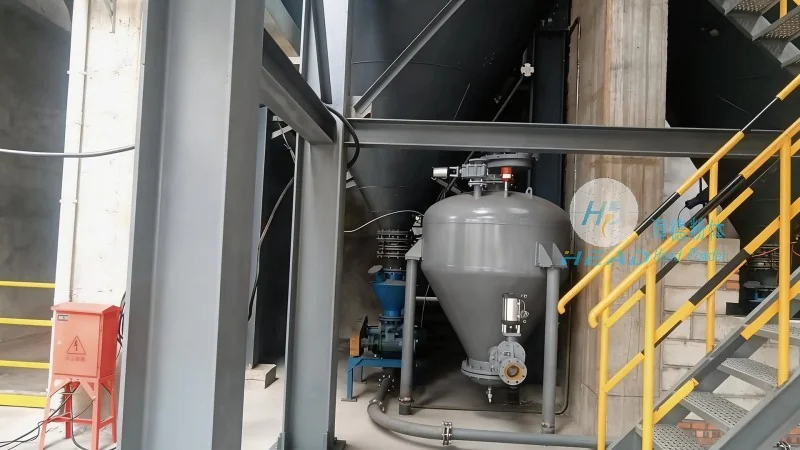
Shandong HeadPowder Engineering Co., Ltd., a leading provider of material handling solutions, specializes in designing and manufacturing customized pneumatic conveying systems tailored to the specific requirements of lithium-ion battery manufacturers. The company's expertise lies in understanding the unique challenges of battery raw materials and developing solutions that enhance operational efficiency while ensuring product integrity.
The technical features of these systems include adjustable air pressure and flow rates, which allow for precise control over material movement. This flexibility enables manufacturers to handle a wide range of materials, from fine powders to bulk solids, with consistent performance. Furthermore, the systems are designed with durable materials to withstand the abrasive nature of battery raw materials, ensuring long-term reliability and minimal maintenance.
Environmental and Safety Considerations
Environmental sustainability and workplace safety are paramount in the lithium battery industry. Pneumatic conveying systems contribute to these goals by reducing dust emissions and minimizing the risk of material spills or leaks. The enclosed pipeline design prevents dust from escaping into the workplace, improving air quality and reducing the risk of respiratory issues for workers. Additionally, the systems are equipped with safety features such as pressure relief valves and emergency shut-off mechanisms to prevent accidents and ensure operator safety.
Conclusion: The Future of Lithium-Ion Battery Raw Material Handling
As the demand for lithium-ion batteries continues to grow, the importance of efficient and reliable raw material handling cannot be overstated. Pneumatic conveying systems offer a superior solution that addresses the unique challenges of battery manufacturing, providing benefits such as cleanliness, efficiency, and flexibility. With its commitment to innovation and customer satisfaction, Shandong HeadPowder Engineering Co., Ltd. remains at the forefront of developing advanced material handling technologies that support the evolving needs of the lithium-ion battery industry.

 Shandong Headpowder Engineering Co., Ltd.
 156-6277-7102(Quản lý Trương)
  0531-83386006
  Thành phố Tế Nam, Tỉnh Sơn Đông, Trung Quốc
Điện thoại
WeChatTư vấn
Lên đầu