Với hơn 10 năm kinh nghiệm về vận chuyển khí nén, Headpowder Sơn Đông cung cấp hệ thống, thiết bị và quạt gió toàn chuỗi, đảm nhận các dự án kỹ thuật bột trọn gói trên toàn quốc.
Coated sand, a critical material in foundry production, requires efficient and reliable conveying methods to ensure smooth workflow and high-quality casting outcomes. The choice of conveying method significantly impacts production efficiency, material integrity, and overall operational costs. For manufacturers like Shandong HeadPowder Engineering Co., Ltd., based in Shandong, China, understanding and implementing the right conveying solutions is essential for optimizing their foundry processes.
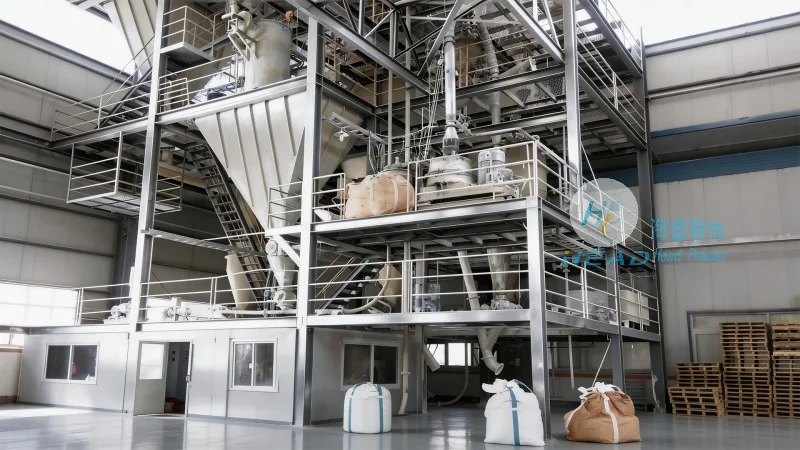
1. Air-Driven Pneumatic Conveying Systems
Pneumatic conveying systems utilize compressed air to transport coated sand particles through a network of pipes. This method is particularly effective for handling fine or dusty materials, as it minimizes dust exposure and provides a clean, enclosed transport environment. The system typically includes a hopper, a rotary valve for material feeding, and a series of pipes with air jets or venturi sections to propel the sand. For foundries dealing with high volumes of coated sand, pneumatic conveying offers advantages such as reduced labor costs, improved safety by containing dust, and the ability to transport materials over long distances without the need for mechanical components. Shandong HeadPowder Engineering Co., Ltd. has expertise in designing and implementing such systems tailored to specific production needs, ensuring optimal performance and durability.
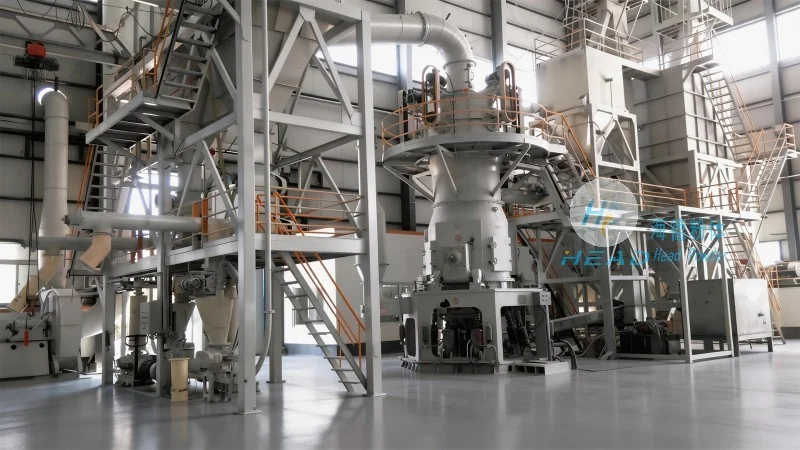
2. Mechanical Conveying with Screw or Belt Systems
For bulk handling of coated sand, mechanical systems like screw conveyors or belt conveyors are widely used. Screw conveyors use a rotating helical screw to move material along a trough, while belt conveyors rely on a continuous belt to transport sand in a linear path. These systems are robust and suitable for heavy-duty applications, offering consistent and reliable material transport. They are particularly effective in environments where dust control is less critical than in pneumatic systems, and where the need for enclosed transport is not as stringent. The choice between screw and belt conveyors depends on factors such as the material's bulk density, moisture content, and the required conveying distance. Shandong HeadPowder Engineering Co., Ltd. provides customized mechanical conveying solutions that integrate seamlessly with existing foundry infrastructure, enhancing operational efficiency and reducing downtime.
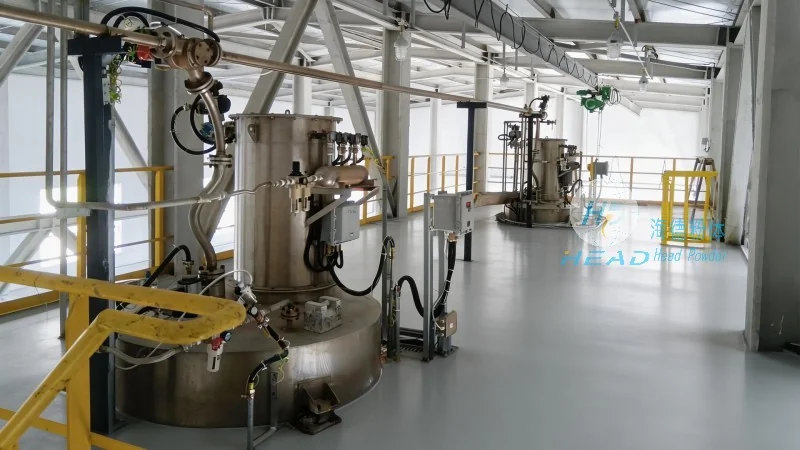
3. Hydraulic Conveying Methods
Hydraulic conveying systems use water or other fluids to transport coated sand, often in a slurry form. This method is ideal for handling materials that are difficult to convey via air or mechanical means, such as wet or sticky coated sand. The system involves pumping the slurry through pipelines, with the fluid providing the necessary pressure to move the sand. Hydraulic conveying offers advantages like low noise levels, reduced dust generation, and the ability to transport materials over long distances with minimal energy consumption. However, it requires careful management of water usage and disposal to maintain environmental compliance. Shandong HeadPowder Engineering Co., Ltd. specializes in designing hydraulic conveying systems that meet both operational and environmental standards, ensuring sustainable and efficient material transport for foundry applications.
4. Hybrid Conveying Solutions
In many modern foundries, hybrid systems combining pneumatic, mechanical, and hydraulic components are used to address diverse conveying needs. These systems allow for flexibility in handling different types of coated sand, from dry powders to wet slurries, and can be adjusted to accommodate varying production volumes. For example, a hybrid system might use pneumatic transport for fine powders and mechanical conveyors for bulk materials, with hydraulic components for slurry handling. This approach maximizes efficiency by leveraging the strengths of each method while minimizing their limitations. Shandong HeadPowder Engineering Co., Ltd. offers comprehensive hybrid conveying solutions that are tailored to the specific requirements of each foundry, ensuring optimal performance and cost-effectiveness.

 Shandong Headpowder Engineering Co., Ltd.
 156-6277-7102(Quản lý Trương)
  0531-83386006
  Thành phố Tế Nam, Tỉnh Sơn Đông, Trung Quốc
Điện thoại
WeChatTư vấn
Lên đầu