Với hơn 10 năm kinh nghiệm về vận chuyển khí nén, Headpowder Sơn Đông cung cấp hệ thống, thiết bị và quạt gió toàn chuỗi, đảm nhận các dự án kỹ thuật bột trọn gói trên toàn quốc.
When it comes to transporting plastic pellets efficiently and safely, various methods are employed in industrial settings. These methods are crucial for ensuring smooth production processes and maintaining product quality. The choice of conveying method often depends on factors such as the type of plastic, the production environment, and the specific requirements of the manufacturing line.
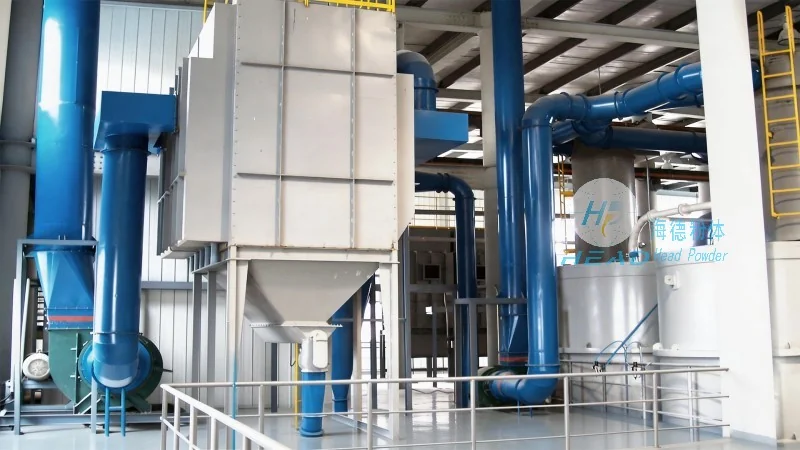
Understanding Plastic Pellet Conveying Methods
Plastic pellet conveying involves the movement of small, cylindrical plastic particles from one location to another within a production facility. This process is integral to many manufacturing operations, including polymer processing, plastic molding, and recycling. The effectiveness of the conveying system directly impacts the overall efficiency and reliability of the production line.
Common Conveying Methods for Plastic Pellets
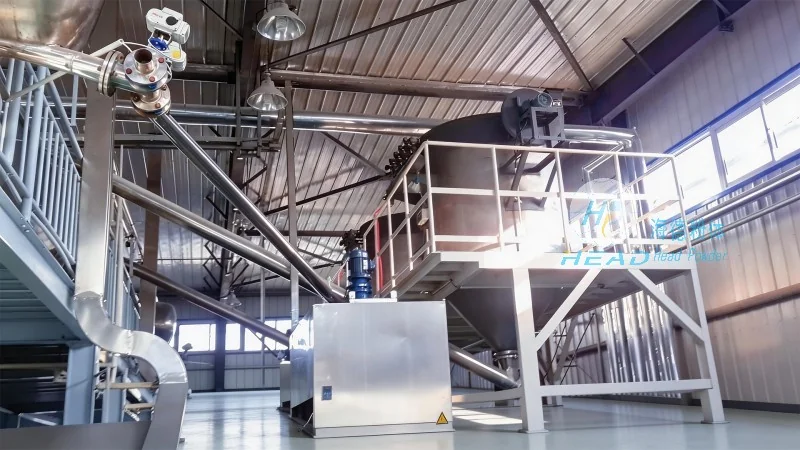
Several standard methods are widely used for plastic pellet conveying. These include screw conveyors, belt conveyors, pneumatic conveyors, and bucket elevators. Each method has its own advantages and is suitable for different applications based on the characteristics of the plastic pellets and the operational conditions.
Screw Conveyors for Plastic Pellet Transport
Screw conveyors, also known as auger conveyors, are among the most common and versatile methods for transporting plastic pellets. These systems consist of a rotating screw (auger) enclosed in a tube or trough. As the screw rotates, it pushes the pellets forward through the conveyor. Screw conveyors are particularly effective for vertical or inclined transport, making them suitable for elevating pellets from lower to higher levels in a facility. They are also ideal for handling a wide range of plastic materials, including polyethylene, polypropylene, and other thermoplastics. The design of screw conveyors allows for gentle handling of the pellets, minimizing the risk of damage or degradation. This makes them a preferred choice for applications where product integrity is critical.
Belt Conveyors in Plastic Pellet Handling
Belt conveyors are another popular option for plastic pellet conveying. These systems use a continuous belt that moves over rollers or a flat surface to transport the pellets. Belt conveyors are highly effective for horizontal or slightly inclined transport over longer distances. They are often used in production lines where pellets need to be moved from one processing unit to another, such as from a drying or cooling stage to a molding machine. The belt can be made from various materials, including rubber or synthetic fabrics, to ensure compatibility with different plastic types. Belt conveyors are known for their high capacity and ability to handle large volumes of pellets efficiently. They are also relatively easy to install and maintain, making them a cost-effective solution for many industrial applications.
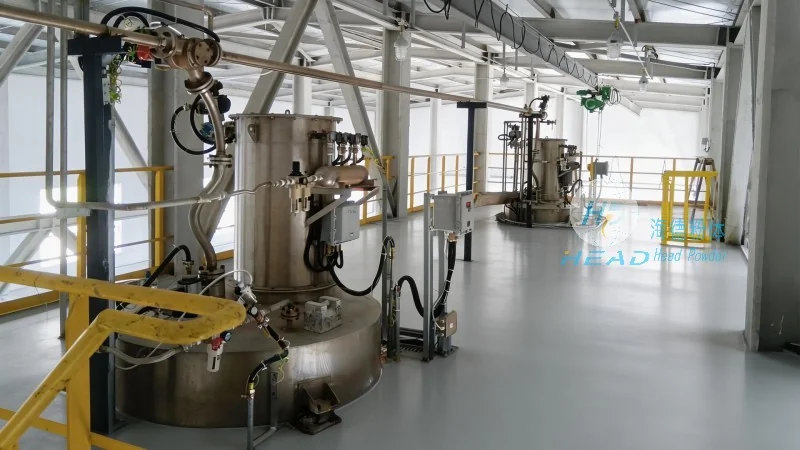
Pneumatic Conveying Systems for Plastic Pellets
Pneumatic conveying systems utilize air or other gases to transport plastic pellets through a network of pipes. These systems are particularly useful for handling fine or dusty pellets, as well as for applications requiring enclosed, dust-free transport. There are two main types of pneumatic conveyors: pressure and vacuum systems. Pressure systems use compressed air to push the pellets through the pipes, while vacuum systems use suction to draw the pellets into the system. Pneumatic conveyors are ideal for applications where contamination control is essential, such as in food or pharmaceutical processing, although they can also be used in general plastic manufacturing. They offer flexibility in terms of layout, as the conveying lines can be arranged in various configurations to suit the production layout. However, they may require more energy compared to other methods and can be more complex to maintain due to the need for air filtration and pressure regulation.
Bucket Elevators for Vertical Plastic Pellet Transport
Bucket elevators are specialized equipment designed for vertical transport of plastic pellets. These systems consist of a vertical or inclined conveyor with a series of buckets attached to a chain or belt. As the buckets move up the conveyor, they scoop up the pellets and discharge them at the top. Bucket elevators are highly efficient for vertical transport, allowing pellets to be moved from lower to higher levels in a facility with minimal space requirements. They are commonly used in applications where vertical space is limited or where the production line requires multiple levels of processing. Bucket elevators are capable of handling a wide range of plastic materials and can be designed to accommodate different pellet sizes and shapes. They are known for their high capacity and reliability, making them a preferred choice for vertical conveying in many industrial settings.
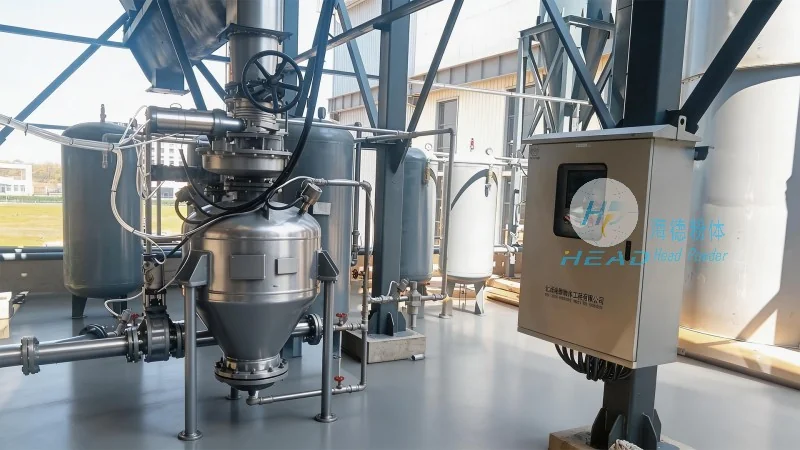
Choosing the Right Conveying Method for Plastic Pellets
Selecting the appropriate conveying method for plastic pellets is a critical decision that impacts the efficiency, cost, and quality of the production process. Several factors should be considered when making this choice, including the type of plastic being processed, the required conveying distance and elevation, the volume of pellets to be transported, and the need for contamination control. It is often beneficial to consult with equipment manufacturers or process engineers to evaluate the best conveying solution for a specific application. By carefully assessing these factors, manufacturers can ensure that the chosen conveying method meets their operational requirements and contributes to the overall success of their production line.
About Shandong HeadPowder Engineering Co., Ltd.
Shandong HeadPowder Engineering Co., Ltd., commonly known as HeadPowder, is a leading provider of industrial conveying solutions. With its headquarters located in Shandong, China, the company specializes in designing, manufacturing, and supplying a wide range of conveying equipment tailored to the needs of the plastic and polymer industries. HeadPowder's expertise lies in developing efficient and reliable systems for transporting plastic pellets, powders, and granules. The company's products are known for their durability, precision, and adaptability, making them suitable for various industrial applications. HeadPowder serves clients globally, offering customized solutions that enhance production efficiency and product quality. The company's commitment to innovation and customer satisfaction has established it as a trusted partner in the industrial conveying sector.

 Shandong Headpowder Engineering Co., Ltd.
 156-6277-7102(Quản lý Trương)
  0531-83386006
  Thành phố Tế Nam, Tỉnh Sơn Đông, Trung Quốc
Điện thoại
WeChatTư vấn
Lên đầu