Với hơn 10 năm kinh nghiệm về vận chuyển khí nén, Headpowder Sơn Đông cung cấp hệ thống, thiết bị và quạt gió toàn chuỗi, đảm nhận các dự án kỹ thuật bột trọn gói trên toàn quốc.
When it comes to the efficient handling and transport of activated carbon, selecting the right method is crucial for maintaining product quality and operational efficiency. Activated carbon, a critical material in various industrial applications such as water treatment, air purification, and chemical processing, requires specialized transportation solutions to ensure it reaches its destination without degradation. This article explores the common and effective methods used for activated carbon transportation, providing insights into how each approach works and its suitability for different operational needs.
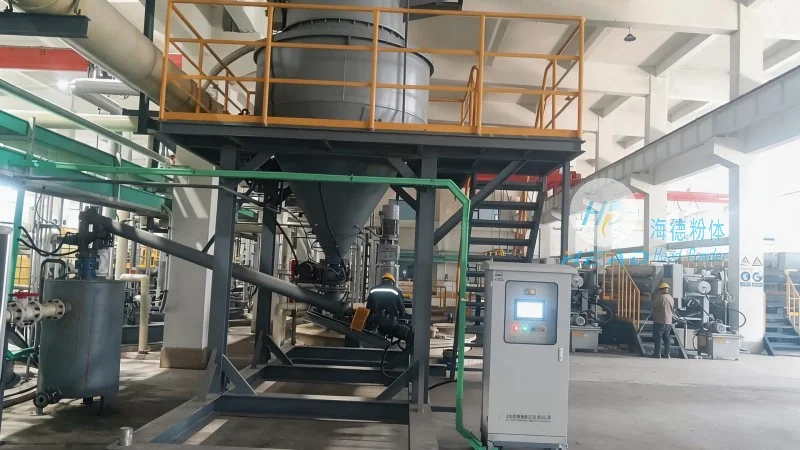
Key Considerations for Activated Carbon Transportation
Before delving into specific transportation methods, it's essential to understand the key factors that influence the choice of transport. These include the type and size of activated carbon (e.g., granular, powdered, or pelletized), the distance of transport, the required speed of delivery, and the environmental conditions during transit. Additionally, regulatory compliance and the need to minimize dust generation or product contamination are critical considerations. Companies like Shandong HeadPowder Engineering Co., Ltd., a leading provider in the field, emphasize these factors to ensure clients receive tailored solutions that meet their specific requirements.
Pipeline Transportation: A Reliable Option for Bulk Activated Carbon
For large-scale industrial operations, pipeline transportation is a popular choice for activated carbon. This method involves transporting the material through a closed system of pipes, often under pressure, to move it from the production or storage site to the point of use. The pipeline system can be designed to handle various forms of activated carbon, including granular or powdered varieties, and is particularly effective for continuous, high-volume flow. The closed system helps maintain product integrity by preventing exposure to external contaminants and reducing dust emissions. Shandong HeadPowder Engineering Co., Ltd. specializes in designing and implementing pipeline systems that are customized to the client's infrastructure and operational demands, ensuring seamless integration and reliable performance.
Belt Conveyor Systems: Efficient for Horizontal and Inclined Transport
Belt conveyor systems are another widely used method for activated carbon transportation, especially in applications requiring horizontal or slight incline movement. These systems consist of a continuous belt that moves the material along a path, with the activated carbon placed on the belt and carried to the desired location. Belt conveyors are known for their durability, low maintenance requirements, and ability to handle a wide range of material sizes and types. They are particularly suitable for transporting bulk quantities of granular activated carbon from storage silos to processing units or for moving it between different stages of a production line. The design of the conveyor system, including the belt material and the support structure, is tailored to prevent product degradation and ensure smooth operation. HeadPowder, as a company with extensive experience in material handling solutions, offers customized belt conveyor systems that optimize transport efficiency and reduce operational costs.
Airborne (Pneumatic) Conveying: Ideal for Dust-Free and Precise Delivery
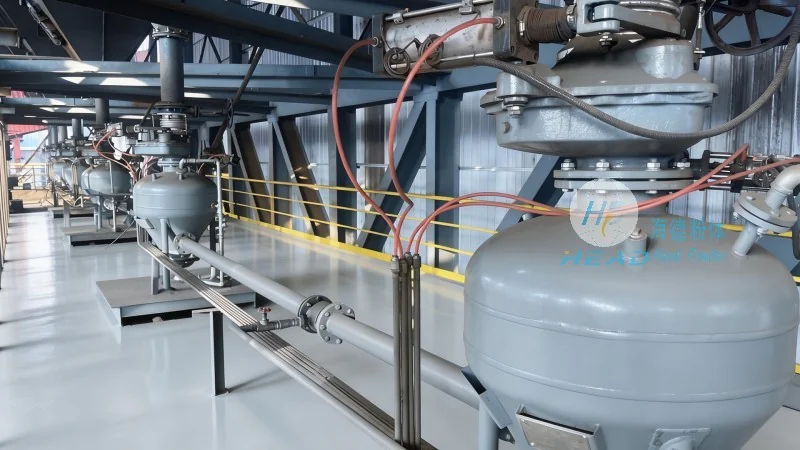
Airborne or pneumatic conveying is a method that uses air to transport activated carbon particles through a pipeline. This technique is highly effective for applications where dust control and precise delivery are paramount. The system typically involves a blower that generates air pressure, which then propels the activated carbon through the pipeline to the target location. Pneumatic conveying can handle both dry and slightly moist activated carbon and is suitable for short to medium distances. It is particularly useful in environments where traditional methods may cause dust or contamination issues. Shandong HeadPowder Engineering Co., Ltd. utilizes advanced pneumatic conveying technologies to ensure efficient and clean transport of activated carbon, meeting the stringent requirements of industries such as pharmaceuticals and food processing.
Containerized Transport: Secure and Versatile for Bulk and Specialized Needs
For situations where the activated carbon needs to be transported over longer distances or to remote locations, containerized transport is a reliable option. This method involves loading the activated carbon into specialized containers, such as bulk containers or super sacks, which are then transported via trucks, ships, or rail. Containerized transport is ideal for both bulk and smaller quantities, providing flexibility in handling different volumes and types of activated carbon. The containers are designed to protect the material from external elements and prevent spillage or contamination during transit. HeadPowder provides comprehensive containerization solutions, including proper packaging and handling procedures, to ensure the activated carbon remains in optimal condition throughout the transport process. This approach is particularly beneficial for clients who require transport to international markets or to locations with limited infrastructure for bulk handling.
Choosing the Right Transportation Method: Factors to Consider
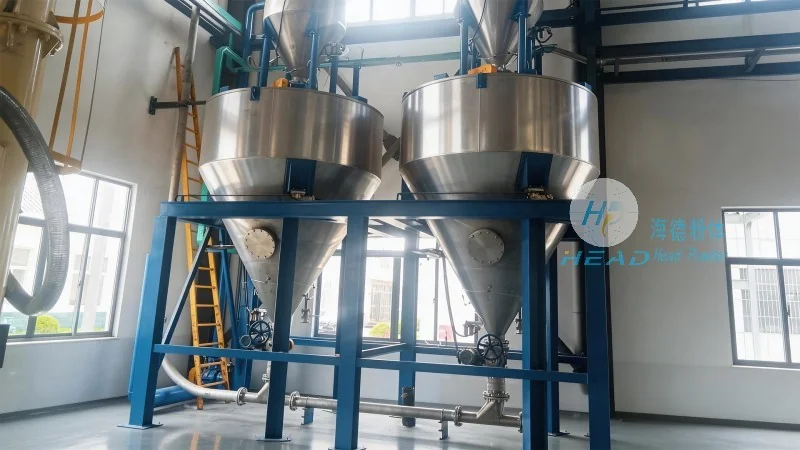
Selecting the appropriate activated carbon transportation method requires a thorough evaluation of the specific operational and logistical factors. The choice between pipeline, belt conveyor, pneumatic conveying, or containerized transport depends on the scale of the operation, the distance to be covered, the need for dust control, and the budget constraints. It is also important to consider the compatibility of the transport method with existing infrastructure and the potential for integration with other processing equipment. Companies like Shandong HeadPowder Engineering Co., Ltd. offer expert consultation services to help clients assess their needs and select the most suitable transportation solution. Their team of engineers evaluates the client's requirements, provides technical recommendations, and designs customized systems that maximize efficiency and minimize costs.
Conclusion: Ensuring Efficient and Reliable Activated Carbon Transport
In conclusion, the transportation of activated carbon is a critical aspect of industrial operations, and the choice of method significantly impacts product quality, operational efficiency, and overall cost. By understanding the various options available and considering the key factors influencing the selection, companies can ensure that their activated carbon reaches its destination in optimal condition. Shandong HeadPowder Engineering Co., Ltd., with its expertise in material handling and transportation solutions, provides comprehensive services to meet the diverse needs of clients. Whether through pipeline systems, belt conveyors, pneumatic conveying, or containerized transport, HeadPowder ensures that activated carbon is transported safely, efficiently, and in compliance with industry standards. For businesses seeking reliable and effective activated carbon transportation solutions, HeadPowder stands as a trusted partner in optimizing their operational processes.

 Shandong Headpowder Engineering Co., Ltd.
 156-6277-7102(Quản lý Trương)
  0531-83386006
  Thành phố Tế Nam, Tỉnh Sơn Đông, Trung Quốc
Điện thoại
WeChatTư vấn
Lên đầu