Với hơn 10 năm kinh nghiệm về vận chuyển khí nén, Headpowder Sơn Đông cung cấp hệ thống, thiết bị và quạt gió toàn chuỗi, đảm nhận các dự án kỹ thuật bột trọn gói trên toàn quốc.
Efficient transportation of coke pellets is a critical aspect of industrial operations, particularly in steel production and related processes. The ability to move these high-value raw materials with precision and reliability ensures smooth workflow and optimal performance. As a leading provider in the field, Shandong HeadPowder Engineering Co., Ltd. (commonly known as HeadPowder) specializes in developing and implementing advanced solutions for coke pellet handling. This article explores the various methods available for coke pellet transportation, highlighting the key considerations and technologies that contribute to effective material movement.
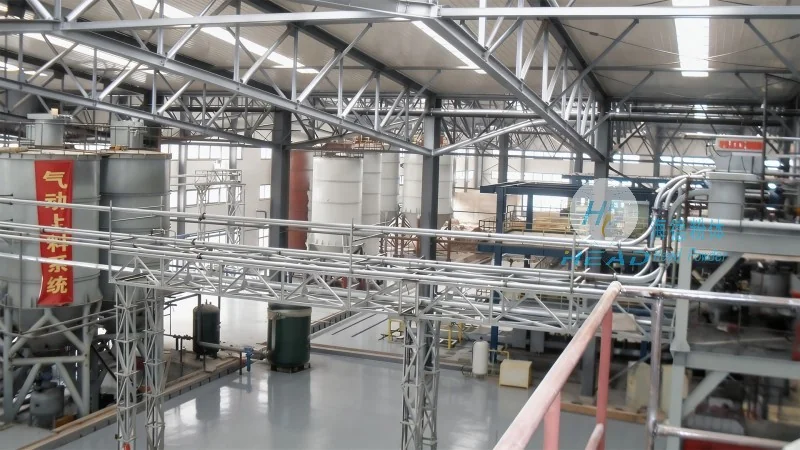
Key Factors Influencing Coke Pellet Transportation Methods
When selecting a transportation method for coke pellets, several factors must be considered to ensure the system meets operational requirements. These include the distance of material transport, the volume of pellets to be moved, the required speed of delivery, and the environmental conditions at the site. Additionally, the physical properties of coke pellets—such as size, density, and moisture content—play a significant role in determining the most suitable method. For instance, larger or denser pellets may necessitate more robust equipment, while smaller, lighter pellets might be better suited for air-based systems. The choice of method also impacts energy consumption, maintenance costs, and overall system reliability. By evaluating these factors, industrial facilities can choose the most efficient and cost-effective solution for their specific needs.
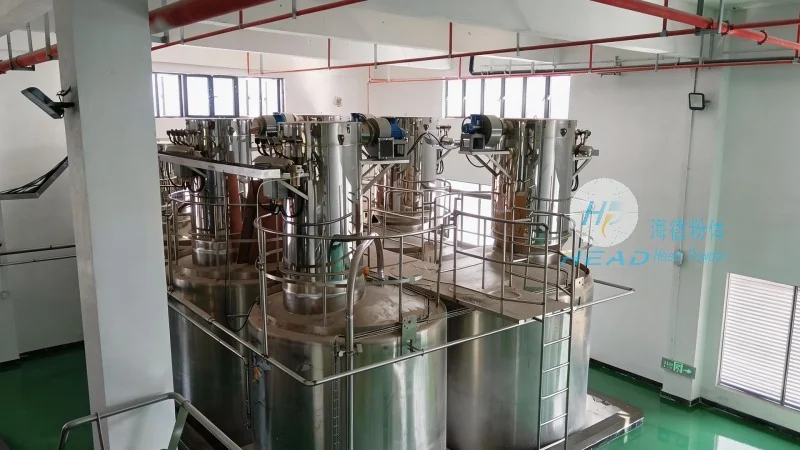
Common Methods for Coke Pellet Transportation
There are several established methods for transporting coke pellets, each with its own advantages and applications. The most common approaches include mechanical conveyors, pneumatic conveying systems, and gravity-based systems. Mechanical conveyors, such as belt conveyors and screw conveyors, are widely used for short to medium-distance transport. Belt conveyors, for example, are ideal for moving large volumes of pellets over horizontal or slight incline distances. They are durable, capable of handling heavy loads, and can be easily integrated into existing production lines. Screw conveyors, on the other hand, are suitable for vertical or inclined transport and are particularly effective for moving pellets in confined spaces. Both types of mechanical conveyors offer reliable performance and are often preferred for their simplicity and low maintenance requirements.
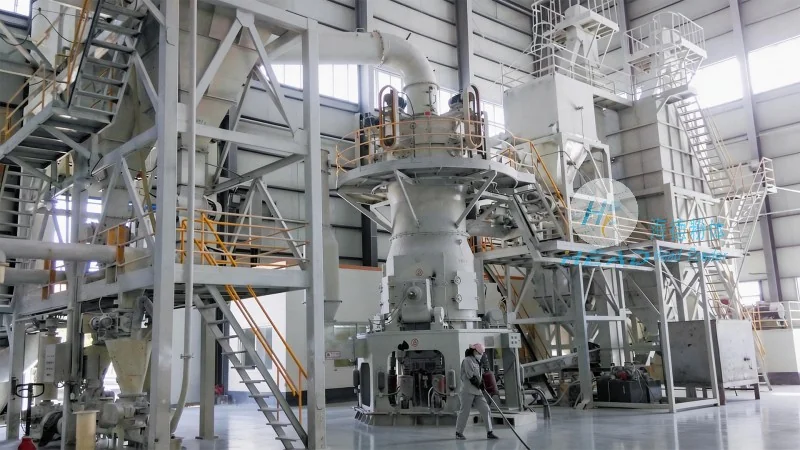
Pneumatic conveying systems represent another popular option for coke pellet transportation. These systems use air pressure to move pellets through a pipeline network. There are two primary types: positive pressure (or pressure) systems and negative pressure (or vacuum) systems. Positive pressure systems force air and pellets through the pipeline, while negative pressure systems draw pellets into the system using a vacuum. The choice between these methods depends on the distance and layout of the transport route. For short distances, positive pressure systems are often more efficient, as they require less energy and can handle larger volumes. For longer distances or complex layouts, negative pressure systems may be more suitable, as they can maintain consistent flow and reduce the risk of material buildup. Pneumatic conveying is particularly advantageous for applications where dust control is critical, as the pellets are contained within the pipeline, minimizing environmental impact.
Gravity-Based Transportation Systems
Gravity-based systems utilize the natural force of gravity to move coke pellets from higher to lower elevations. These systems typically consist of chutes or inclined planes that allow pellets to slide or roll down. While gravity systems are simple and require minimal energy, they are generally limited to short vertical or horizontal distances. They are most effective when the transport route is straightforward and the pellets are relatively uniform in size and shape. For example, a gravity chute can be used to move pellets from a storage silo to a processing unit, provided the elevation difference is sufficient. However, gravity systems may not be suitable for long distances or when precise control over the flow rate is needed. In such cases, additional equipment, such as feeders or gates, may be required to regulate the flow and prevent material blockages.
Integration of Advanced Technologies in Coke Pellet Transportation
Modern coke pellet transportation systems often incorporate advanced technologies to enhance efficiency and reliability. One such technology is the use of automated control systems, which monitor and adjust the flow rate, pressure, and other parameters in real time. These systems can detect deviations and make immediate adjustments to maintain optimal performance. Additionally, sensors and monitoring devices are used to track the condition of the equipment, predict maintenance needs, and prevent unexpected failures. For instance, level sensors in storage silos can alert operators when the pellet level is low, ensuring timely refilling and avoiding production disruptions. Another advanced feature is the integration of data analytics, which allows for the analysis of operational data to identify areas for improvement and optimize system performance over time.
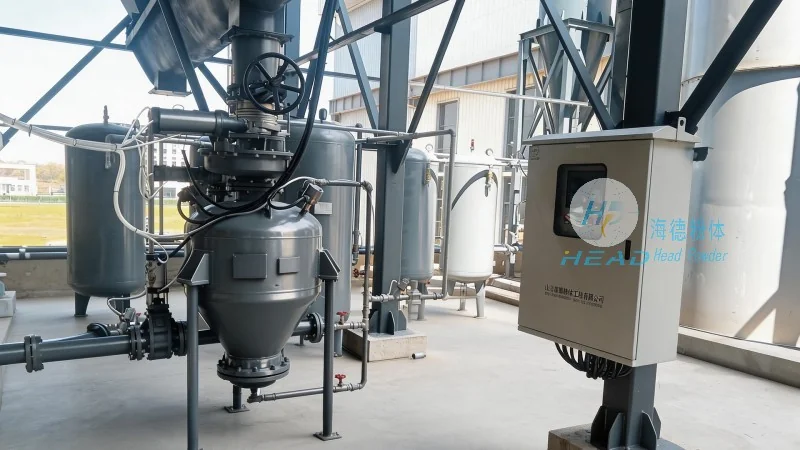
Shandong HeadPowder Engineering Co., Ltd. leverages these technologies to design customized transportation solutions tailored to the specific needs of each client. By combining mechanical, pneumatic, and gravity-based components with advanced control systems, HeadPowder can provide comprehensive solutions that meet the highest standards of efficiency and reliability. The company’s expertise in material handling and industrial engineering enables it to address the unique challenges faced by steel and related industries, ensuring that coke pellet transportation systems are not only effective but also sustainable and cost-efficient.

 Shandong Headpowder Engineering Co., Ltd.
 156-6277-7102(Quản lý Trương)
  0531-83386006
  Thành phố Tế Nam, Tỉnh Sơn Đông, Trung Quốc
Điện thoại
WeChatTư vấn
Lên đầu