Với hơn 10 năm kinh nghiệm về vận chuyển khí nén, Headpowder Sơn Đông cung cấp hệ thống, thiết bị và quạt gió toàn chuỗi, đảm nhận các dự án kỹ thuật bột trọn gói trên toàn quốc.
When it comes to transporting limestone powder, selecting the right method is crucial for ensuring efficiency, safety, and cost-effectiveness in industrial operations. Limestone powder, a key raw material in various industries such as construction, chemical manufacturing, and environmental applications, requires specialized handling due to its fine particle size and potential reactivity. The choice of conveying method depends on factors like material properties, distance, volume, and the specific requirements of the production process. In this article, we explore the common methods used for limestone powder transportation, highlighting their advantages, applications, and considerations.
Overview of Limestone Powder Conveying
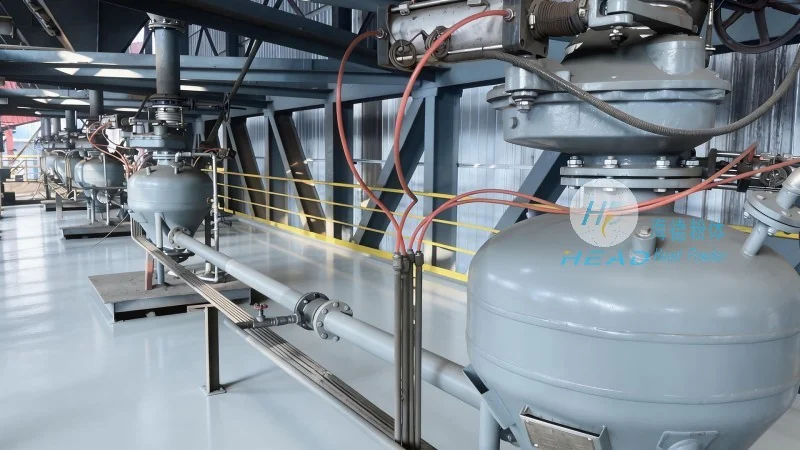
Limestone powder, also known as calcium oxide or quicklime powder, is a fine, dry powder derived from limestone through calcination. Its fine particle size and dustiness make it challenging to handle compared to bulk materials. Effective conveying systems must address issues like dust generation, material segregation, and the need for minimal degradation of the powder's quality. The primary goal of any limestone powder conveying system is to move the material from its source to the processing or storage location without compromising its properties or causing operational hazards.
Common Conveying Methods for Limestone Powder
Several methods are commonly employed for limestone powder transportation, each with its own set of advantages and limitations. The selection of a method often depends on the specific characteristics of the limestone powder, the distance it needs to be transported, and the available infrastructure at the site. Below are some of the most widely used techniques:
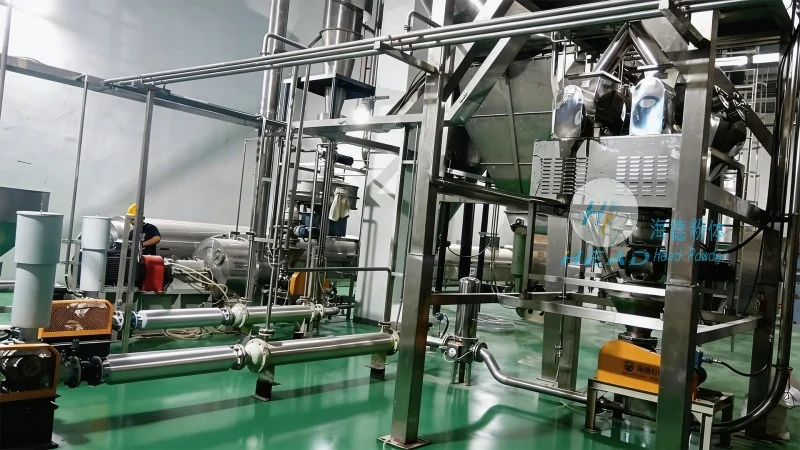
Air-Pneumatic Conveying Systems
Air-pneumatic conveying, also known as pneumatic conveying, is one of the most popular methods for transporting limestone powder. This system uses compressed air to move the powder through a pipeline. The powder is typically fed into the system using a hopper or a rotary valve, and the air pressure propels the material through the pipe. There are two main types of pneumatic conveying: pressure and vacuum systems. Pressure systems use positive pressure to push the material forward, while vacuum systems use negative pressure to pull it. For limestone powder, pressure systems are often preferred due to their ability to handle higher volumes and longer distances without significant pressure loss.
Advantages of air-pneumatic conveying include high efficiency, the ability to transport materials over long distances, and minimal material degradation. The system is also relatively compact and can be integrated into existing industrial setups. However, it requires careful design to prevent dust accumulation and ensure consistent air flow. Additionally, the cost of compressed air and the need for regular maintenance of air compressors can be significant factors to consider.
Screw Conveyors
Screw conveyors, also known as auger conveyors, are another common method for limestone powder transportation. These systems consist of a rotating screw (auger) inside a trough or tube, which moves the material along the length of the conveyor. The screw's rotation creates a pushing action, propelling the powder forward. Screw conveyors are particularly effective for horizontal or slightly inclined transport of fine powders like limestone powder.
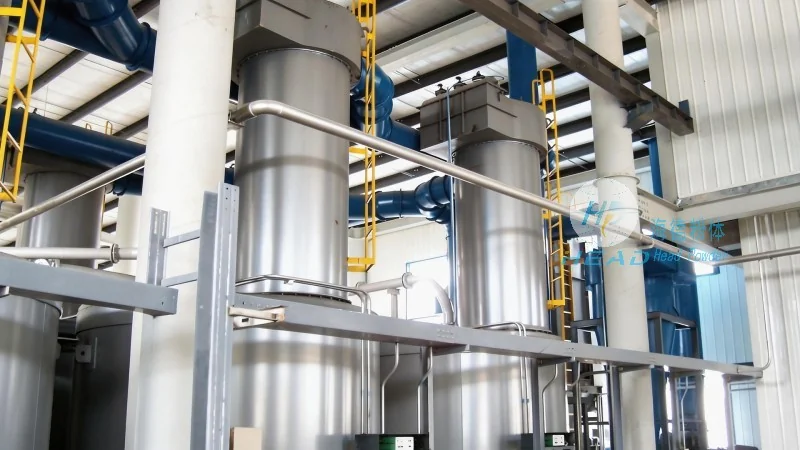
Advantages of screw conveyors include their simplicity, low maintenance requirements, and the ability to handle a wide range of materials. They are also relatively inexpensive to install and can be easily integrated into existing production lines. However, screw conveyors are less suitable for long-distance transport due to the potential for material buildup and wear on the screw and trough. They are also more prone to clogging if the powder is too fine or contains moisture.
Pneumatic and Mechanical Combination Systems
In some cases, a combination of pneumatic and mechanical conveying methods is used to address the limitations of each individual system. For example, a system might use a screw conveyor to feed limestone powder into a pneumatic conveying line. This hybrid approach leverages the high efficiency of pneumatic transport over long distances while using the screw conveyor for initial material handling and feeding. Such systems are often used in large-scale industrial operations where both speed and reliability are critical.
Considerations for Choosing a Conveying Method
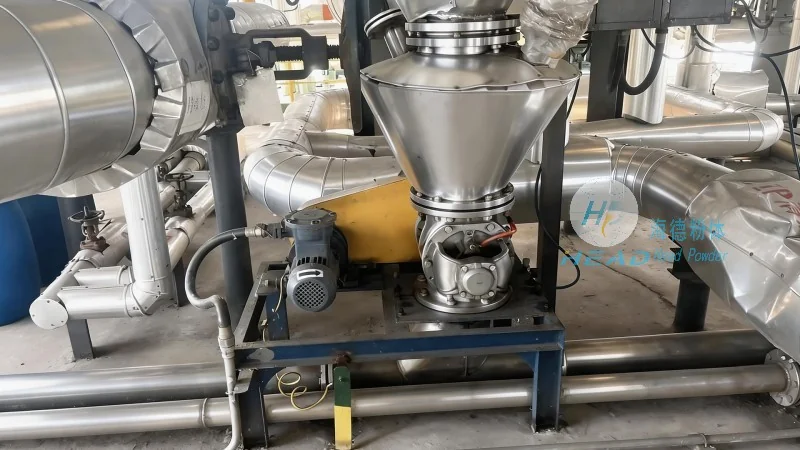
When selecting a limestone powder conveying method, several factors must be considered to ensure optimal performance and safety. The first is the material's properties, including particle size, moisture content, and reactivity. Fine limestone powders may require more specialized equipment to prevent clogging and maintain flow. The second factor is the distance and volume of material to be transported. For short distances and low volumes, screw conveyors may suffice, while for long distances and high volumes, pneumatic conveying is often more suitable.
Another important consideration is the need for dust control. Limestone powder is a fine, dusty material that can create health and safety hazards if not properly contained. Conveying systems should include dust collection and filtration equipment to minimize emissions and protect workers. Additionally, the cost of installation, operation, and maintenance must be evaluated. While pneumatic systems may have higher initial costs due to air compressors and piping, they can be more cost-effective in the long run for high-volume, long-distance transport.
Conclusion
Choosing the right method for limestone powder conveying is essential for maintaining operational efficiency and safety in industrial applications. Air-pneumatic conveying, screw conveyors, and hybrid systems each offer unique advantages and are suitable for different scenarios. By carefully evaluating the material properties, transport requirements, and operational constraints, industrial facilities can select the most appropriate conveying system. As a leading provider in the field, Shandong HeadPowder Engineering Co., Ltd. specializes in designing and manufacturing customized conveying solutions tailored to the specific needs of limestone powder handling. With a focus on efficiency, reliability, and safety, the company ensures that its clients can achieve optimal performance in their limestone powder transportation processes.

 Shandong Headpowder Engineering Co., Ltd.
 156-6277-7102(Quản lý Trương)
  0531-83386006
  Thành phố Tế Nam, Tỉnh Sơn Đông, Trung Quốc
Điện thoại
WeChatTư vấn
Lên đầu