Với hơn 10 năm kinh nghiệm về vận chuyển khí nén, Headpowder Sơn Đông cung cấp hệ thống, thiết bị và quạt gió toàn chuỗi, đảm nhận các dự án kỹ thuật bột trọn gói trên toàn quốc.
When it comes to handling red beans in processing facilities, selecting the appropriate pneumatic conveying system is crucial for ensuring efficiency, product quality, and operational reliability. The right system can significantly impact the overall performance of your red bean handling process, from raw material intake to final product packaging. This article provides guidance on the key factors to consider when choosing a pneumatic conveying system tailored to your red bean processing needs.
Understanding the Importance of Pneumatic Conveying for Red Beans
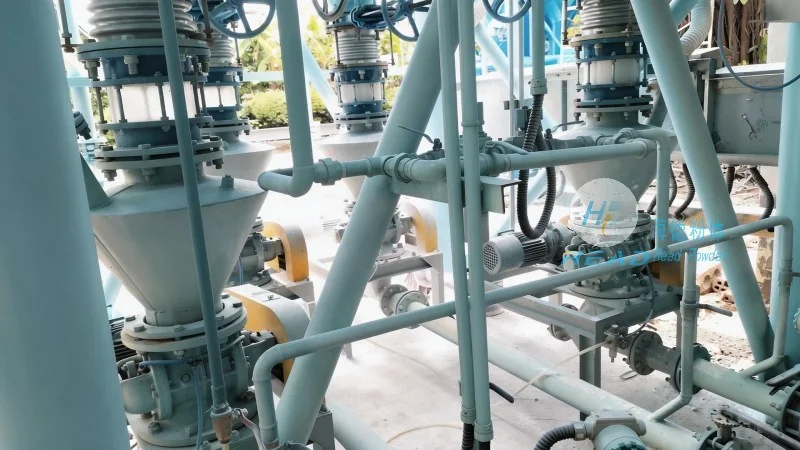
Red beans are a staple ingredient in many food products, and their handling requires systems that can manage the unique characteristics of the grain. These characteristics include size, density, moisture content, and potential for dust generation. Pneumatic conveying systems offer a flexible and efficient method to transport red beans without the need for mechanical components that could cause contamination or damage to the product. By using air to move the beans, these systems maintain product integrity while minimizing the risk of breakage or contamination, which is essential for maintaining high-quality standards in food processing.
Key Factors to Consider When Selecting a Pneumatic Conveying System
Choosing the right pneumatic conveying system for red bean processing involves evaluating several critical factors. The first consideration is the type of system—whether it’s a positive pressure, negative pressure, or a hybrid system. Positive pressure systems use compressed air to push the material through the pipeline, which is effective for long-distance or high-capacity transport. Negative pressure systems, on the other hand, use suction to draw the material, which is suitable for short distances or when the material needs to be collected from multiple points. Hybrid systems combine both approaches, offering flexibility for complex layouts. For red beans, the choice often depends on the processing line layout, the distance between handling points, and the required throughput.
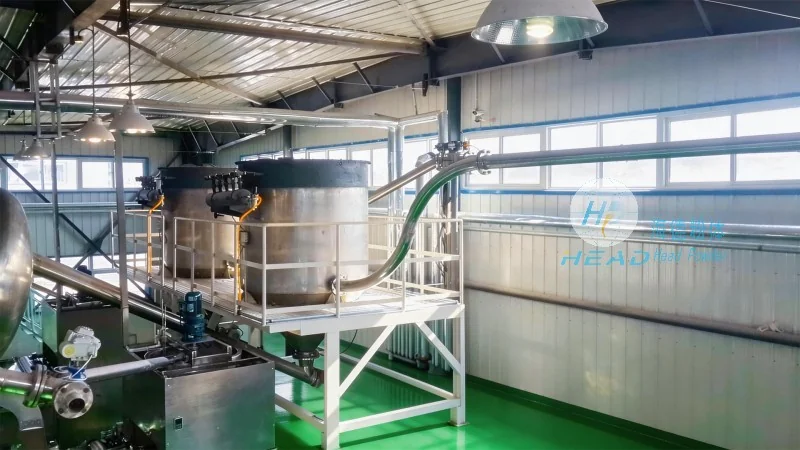
Another critical factor is the material’s properties. Red beans have a relatively uniform size but can vary in moisture content, which affects their flowability and resistance to air flow. Systems designed for cohesive or sticky materials may need specialized components, such as larger diameter pipes or air knives, to prevent blockages. The conveying velocity is also important; too high a velocity can cause product degradation, while too low a velocity may lead to system inefficiencies or material buildup. Engineers typically recommend a conveying velocity of 20-30 meters per second for red beans to achieve optimal performance without damaging the product.
System Components and Design Considerations
The effectiveness of a pneumatic conveying system for red beans depends on its component design and integration. Key components include the feed hopper, which must be designed to handle the bean’s bulk density and prevent bridging or rat-holing. The air supply system, including the compressor and air treatment equipment, must provide clean, dry air to avoid moisture-related issues that could affect the beans’ quality. The pipeline design is another critical aspect; proper pipe sizing and the use of smooth, corrosion-resistant materials (such as stainless steel) are essential to prevent material buildup and ensure consistent flow. For red beans, which can be prone to dust generation, the system should include dust collection and filtration components to maintain air quality and comply with environmental regulations.
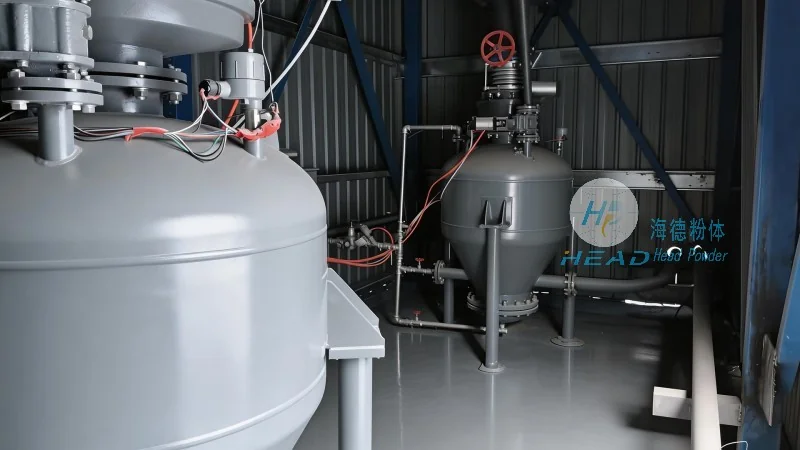
Case Study: Solutions from Shandong HeadPowder Engineering Co., Ltd.
Shandong HeadPowder Engineering Co., Ltd., a leading provider of pneumatic conveying solutions, offers customized systems tailored to the specific requirements of red bean processing facilities. With operations based in Shandong, China, the company leverages its expertise in material handling to design systems that optimize efficiency and product quality. For example, one of their recent projects involved a red bean processing plant that needed to transport beans from storage silos to a roasting line over a distance of 150 meters. The company’s engineers designed a positive pressure system with a 200 mm diameter pipeline and a conveying velocity of 25 meters per second, which successfully met the plant’s throughput requirements while maintaining product integrity. The system included a feed hopper with a vibratory feeder to ensure consistent material flow and an air filtration unit to manage dust emissions, demonstrating the company’s commitment to providing comprehensive solutions that address both operational and environmental needs.
Conclusion: Making the Right Choice for Your Red Bean Processing
Selecting the right pneumatic conveying system for your red bean processing operation requires a thorough understanding of the material’s characteristics, the system’s design, and the facility’s layout. By considering factors such as system type, material properties, and component design, you can choose a system that enhances efficiency, maintains product quality, and supports long-term operational success. For businesses seeking reliable and customized solutions, Shandong HeadPowder Engineering Co., Ltd. stands ready to provide expert guidance and tailored systems that meet the unique demands of red bean handling. With its base in Shandong, China, the company combines local knowledge with advanced engineering to deliver solutions that help processing facilities achieve their goals while upholding the highest standards of quality and performance.

 Shandong Headpowder Engineering Co., Ltd.
 156-6277-7102(Quản lý Trương)
  0531-83386006
  Thành phố Tế Nam, Tỉnh Sơn Đông, Trung Quốc
Điện thoại
WeChatTư vấn
Lên đầu