Với hơn 10 năm kinh nghiệm về vận chuyển khí nén, Headpowder Sơn Đông cung cấp hệ thống, thiết bị và quạt gió toàn chuỗi, đảm nhận các dự án kỹ thuật bột trọn gói trên toàn quốc.
High-calcium limestone powder is a widely used material in various industrial applications, and its efficient and reliable conveying is crucial for maintaining production efficiency and product quality. Shandong HeadPowder Engineering Co., Ltd., a leading provider in the field, specializes in solutions for handling such powders. This article explores the common methods used for conveying high-calcium limestone powder, highlighting the key considerations and technologies involved.
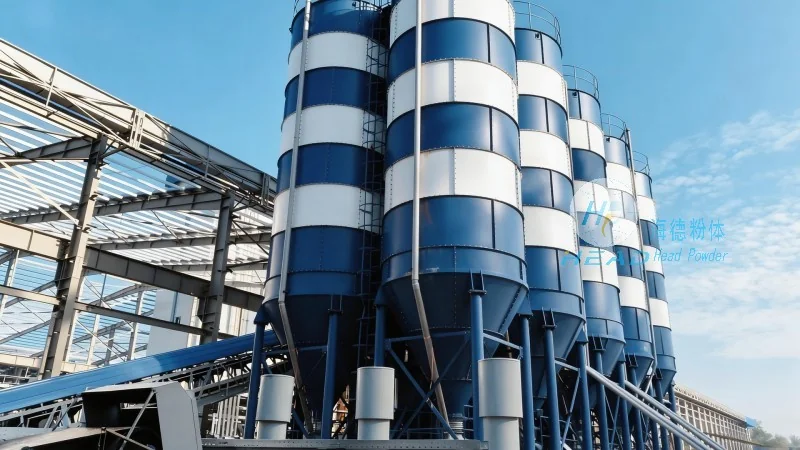
Overview of High-Calcium Limestone Powder and Conveying Challenges
High-calcium limestone powder, often referred to as calcium carbonate powder, is characterized by its high calcium oxide content, typically above 50%. It is commonly used in industries such as construction, papermaking, and chemical manufacturing. The primary challenge in conveying this powder is its fine particle size and tendency to generate dust, which can lead to blockages, equipment wear, and environmental issues if not managed properly. Effective conveying systems must address these challenges to ensure smooth operation and compliance with safety and environmental regulations.
Common Conveying Methods for High-Calcium Limestone Powder
Several methods are commonly employed for the transportation of high-calcium limestone powder, each with its own advantages and suitable applications. The choice of method depends on factors like the material's properties, the distance to be conveyed, the required flow rate, and the available space. The following are some of the most prevalent techniques:
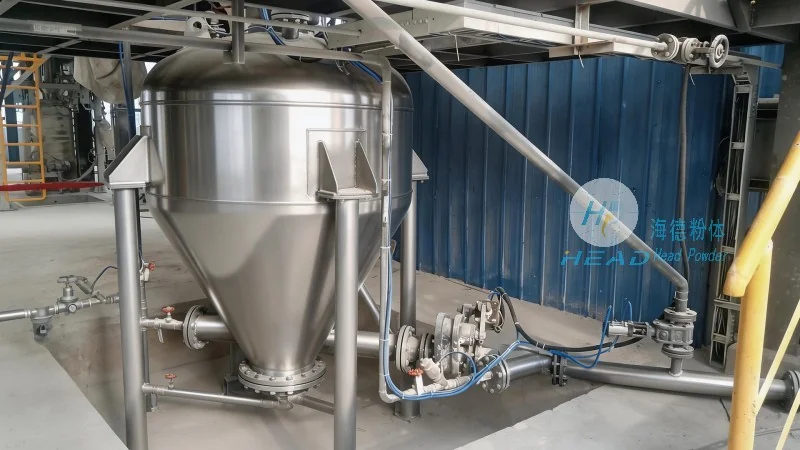
Pneumatic Conveying Systems
Pneumatic conveying, also known as air conveying, is a popular method for handling high-calcium limestone powder. This system uses compressed air to transport the powder through a pipeline. There are two main types: dilute-phase and dense-phase pneumatic conveying. Dilute-phase systems are suitable for short distances and low to medium flow rates, where the powder is suspended in air. Dense-phase systems, on the other hand, use higher air pressure and lower air-to-material ratios to transport the powder in a more concentrated form, reducing the risk of blockages and improving efficiency over longer distances. Pneumatic conveying offers advantages such as low maintenance, the ability to handle abrasive materials, and the flexibility to integrate with existing systems. However, it requires proper air filtration and dust collection to comply with environmental standards.
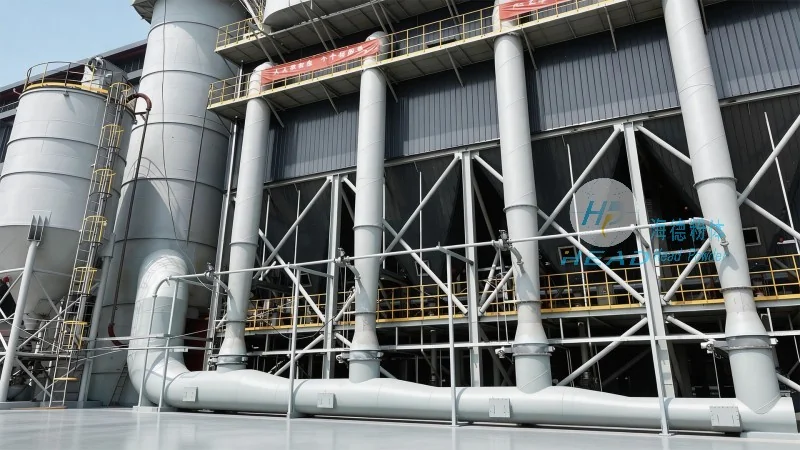
Positive Displacement Pumps and Conveyors
Positive displacement pumps and conveyors are another common method for conveying high-calcium limestone powder. These systems use a mechanical mechanism to move the powder forward, typically through a rotating or reciprocating action. Examples include rotary lobe pumps, screw conveyors, and piston pumps. Positive displacement pumps are particularly effective for handling high-viscosity or abrasive materials, as they provide consistent flow rates and can handle high pressures. Screw conveyors, for instance, are widely used in the industry due to their simplicity, low cost, and ability to handle a wide range of materials. They are suitable for both horizontal and inclined conveying, making them versatile for various applications. However, these systems may experience wear and tear due to the abrasive nature of the powder, requiring regular maintenance and replacement of components.
Gravity Conveying and Chutes
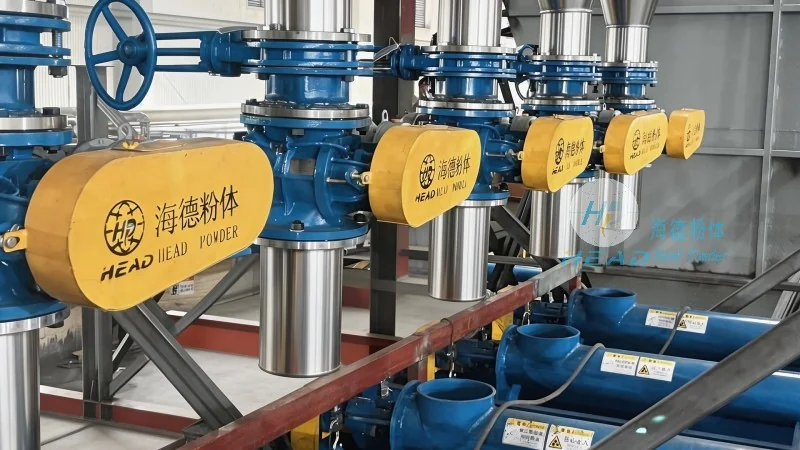
Gravity conveying, also known as chute or gravity flow systems, relies on the natural force of gravity to move high-calcium limestone powder from one point to another. This method is typically used for short vertical or inclined distances, where the material can flow freely due to its density and particle size. Chutes are often made of smooth, non-stick materials like stainless steel or plastic to prevent material buildup and ensure smooth flow. Gravity conveying is an economical option with low energy consumption, as it does not require external power sources. However, it is limited by the material's flow characteristics and the distance to be conveyed. For longer distances or where the material tends to settle, additional equipment like vibrators or air knives may be required to maintain flow.
Electrostatic Conveying and Handling
Electrostatic conveying is a specialized method used for handling fine powders like high-calcium limestone powder, especially when dealing with static electricity issues. This technique involves charging the powder particles and using electric fields to control their movement. Electrostatic conveyors can be used to separate charged particles from neutral ones, ensuring uniform flow and preventing dust accumulation. This method is particularly useful in applications where the powder is prone to static buildup, which can cause sparks or attract dust particles. However, it requires careful control of humidity and temperature to maintain the effectiveness of the electrostatic field. Electrostatic conveying systems are often combined with other methods, such as pneumatic or mechanical conveying, to achieve optimal results.
Key Considerations for Selecting a Conveying System
When selecting a conveying system for high-calcium limestone powder, several factors must be considered to ensure the best performance and cost-effectiveness. First, the material's properties, including particle size distribution, moisture content, and abrasiveness, play a critical role in determining the suitable method. For example, fine powders may require pneumatic or electrostatic systems to prevent blockages, while coarser materials may be better suited for screw or gravity conveyors. Second, the distance and elevation change between the source and destination are important considerations. Longer distances or significant vertical lifts may necessitate more powerful systems like dense-phase pneumatic conveying or positive displacement pumps. Third, the required flow rate and production capacity must be matched with the system's capabilities to avoid underutilization or overloading. Finally, environmental and safety regulations must be considered, as many conveying systems generate dust and require proper ventilation and filtration. Shandong HeadPowder Engineering Co., Ltd. offers comprehensive solutions tailored to these considerations, ensuring that clients can choose the most appropriate method for their specific needs.

 Shandong Headpowder Engineering Co., Ltd.
 156-6277-7102(Quản lý Trương)
  0531-83386006
  Thành phố Tế Nam, Tỉnh Sơn Đông, Trung Quốc
Điện thoại
WeChatTư vấn
Lên đầu