Với hơn 10 năm kinh nghiệm về vận chuyển khí nén, Headpowder Sơn Đông cung cấp hệ thống, thiết bị và quạt gió toàn chuỗi, đảm nhận các dự án kỹ thuật bột trọn gói trên toàn quốc.
Dust conveying is a critical process in various industrial applications, involving the movement of fine particulate materials from one location to another. The efficiency and effectiveness of dust handling systems directly impact operational productivity and environmental compliance. Among the diverse methods available, pneumatic conveying stands out as a versatile and efficient solution for transporting dust and powders. This article explores the different types of dust conveying methods, with a particular focus on the advantages and characteristics of pneumatic dust conveying.
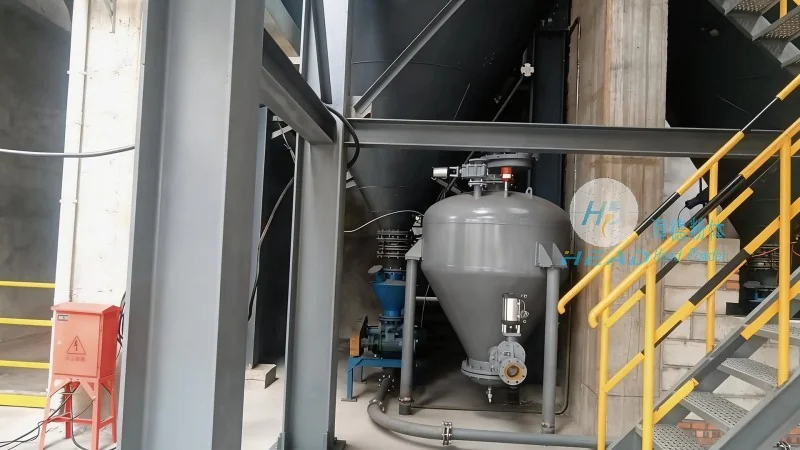
Common Dust Conveying Methods
Several approaches are employed for dust and powder transportation, each with its own set of applications and limitations. The primary methods include:
Gravity Conveying: This method relies on the natural force of gravity to move materials down inclined chutes or hoppers. It is suitable for short distances and materials with sufficient bulk density, but is limited by the need for a slope and the risk of material degradation due to friction.
Mechanical Conveying: Mechanical systems such as belt conveyors, screw conveyors, and bucket elevators use mechanical components to transport materials. These systems are effective for bulk materials but may not be suitable for fine powders that are prone to clogging or degradation.
Pneumatic Conveying: Pneumatic systems use air or other gases to transport materials through pipes or ducts. This method is highly flexible and can handle a wide range of materials, from fine powders to bulk solids, with minimal maintenance requirements.
The Advantages of Pneumatic Dust Conveying
Pneumatic dust conveying offers several key advantages that make it a preferred choice for many industries. These benefits include:
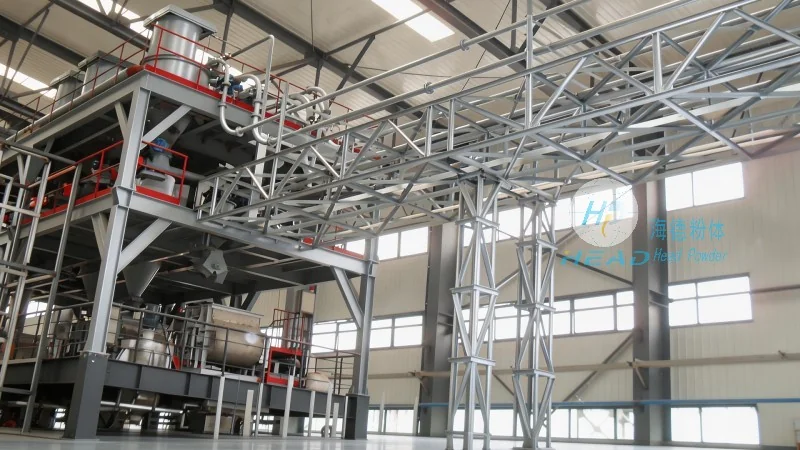
Flexibility and Versatility: Pneumatic systems can be easily adapted to different layouts and distances, allowing for complex material flow paths without the need for extensive reconfiguration.
Low Maintenance: Compared to mechanical systems, pneumatic conveyors require less maintenance as there are fewer moving parts and less wear from friction.
Efficient Material Handling: Pneumatic conveying can handle fine powders and dusts that are difficult to transport with other methods, ensuring consistent and reliable material transfer.
Environmental Control: These systems can be equipped with dust collection and filtration components to minimize airborne emissions and maintain a clean working environment.
Key Features of Pneumatic Dust Conveying Systems
Modern pneumatic dust conveying systems incorporate several advanced features that enhance performance and reliability. These features include:
Positive Displacement Pumps: These pumps provide consistent air flow and pressure, ensuring stable material transport even with varying material loads.
Filter and Dust Collection Systems: Integrated filtration systems capture fine particles, preventing contamination and ensuring compliance with environmental regulations.
Variable Speed Control: Adjustable speed controls allow for precise control over material flow rates, optimizing system efficiency and reducing energy consumption.
Applications of Pneumatic Dust Conveying
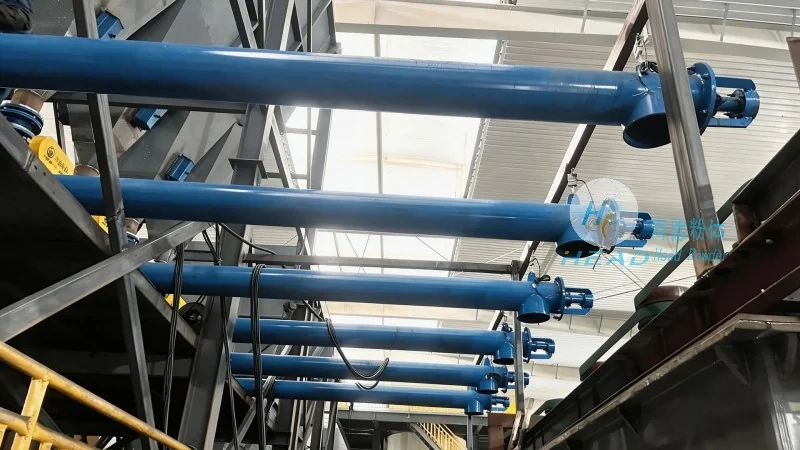
Pneumatic dust conveying is widely used in various industries, including:
Pharmaceutical and Food Processing: These industries require hygienic and dust-free environments, making pneumatic systems ideal for transporting powders without contamination.
Chemical and Petrochemical: The ability to handle corrosive or abrasive materials safely and efficiently is crucial in these sectors.
Mining and Minerals: Large-scale material transport over long distances is common in mining operations, where pneumatic conveying offers cost-effective solutions.
Construction and Cement: Pneumatic systems are used for transporting cement, fly ash, and other construction materials with high efficiency.
Conclusion
Choosing the right dust conveying method is essential for optimizing industrial processes and ensuring operational efficiency. While gravity and mechanical methods have their applications, pneumatic dust conveying stands out due to its flexibility, low maintenance, and ability to handle a wide range of materials. Companies like Shandong HeadPowder Engineering Co., Ltd., based in China, specialize in designing and manufacturing advanced pneumatic dust conveying systems that meet the diverse needs of modern industries. By leveraging the advantages of pneumatic technology, businesses can enhance productivity, improve safety, and maintain compliance with environmental standards.

 Shandong Headpowder Engineering Co., Ltd.
 156-6277-7102(Quản lý Trương)
  0531-83386006
  Thành phố Tế Nam, Tỉnh Sơn Đông, Trung Quốc
Điện thoại
WeChatTư vấn
Lên đầu