Với hơn 10 năm kinh nghiệm về vận chuyển khí nén, Headpowder Sơn Đông cung cấp hệ thống, thiết bị và quạt gió toàn chuỗi, đảm nhận các dự án kỹ thuật bột trọn gói trên toàn quốc.
When it comes to transporting copper sulfate, various methods are employed to ensure efficient and safe delivery. Copper sulfate, also known as cupric sulfate or bluestone, is a common chemical used in agriculture, water treatment, and industrial processes. The choice of transportation method depends on factors such as the volume of the material, the distance to be covered, and the required level of safety and containment. In this article, we will explore the common methods used for copper sulfate transportation, highlighting the key considerations and best practices for each approach.
1. Bulk Tanker Trucks for Copper Sulfate Transport
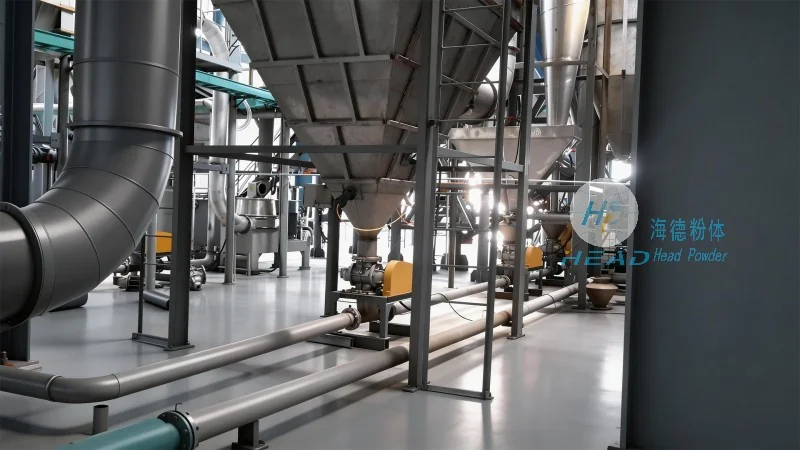
One of the most prevalent methods for transporting copper sulfate is through bulk tanker trucks. These specialized vehicles are designed to carry large quantities of liquid or slurry materials, making them ideal for industrial and agricultural applications. The trucks are equipped with stainless steel or corrosion-resistant tanks to prevent contamination and ensure the integrity of the copper sulfate solution. The tankers are typically fitted with pumps and valves that allow for controlled dispensing at the destination. This method is particularly suitable for long-distance transportation, as it can cover significant distances without the need for frequent stops. The use of bulk tanker trucks ensures a continuous flow of copper sulfate, minimizing the risk of spills and maintaining product quality throughout the journey.
2. Containerized Shipping for Copper Sulfate
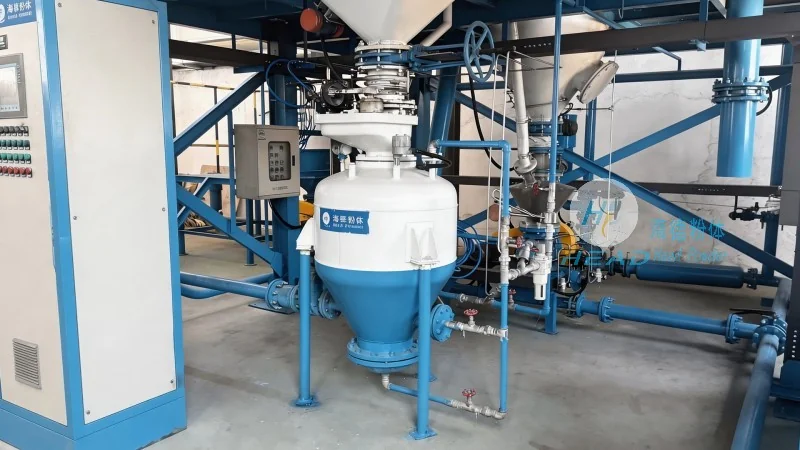
For international or cross-regional transportation, containerized shipping is a common choice. Copper sulfate can be packaged in bulk containers, such as ISO tanks or flexitanks, which are then loaded onto freight ships or trucks. This method is advantageous for large-scale shipments, as it allows for the consolidation of multiple loads into a single container. The containers are designed to be weather-resistant and secure, protecting the copper sulfate from external elements and ensuring compliance with international shipping regulations. Containerized shipping is particularly useful when transporting copper sulfate to remote or hard-to-reach locations, as it can be easily transferred between different modes of transport without the need for repackaging. The use of containers also facilitates easier tracking and inventory management, providing transparency throughout the supply chain.
3. Pneumatic Conveying Systems for Copper Sulfate
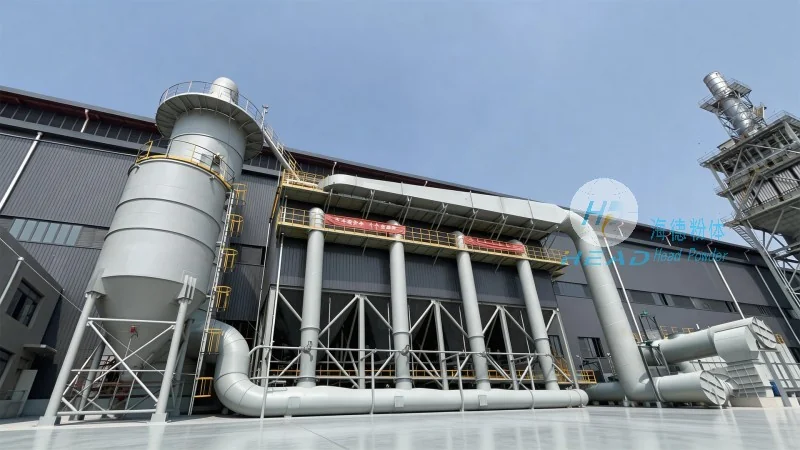
Pneumatic conveying systems offer an alternative method for transporting copper sulfate, especially in industrial settings where dust control and precision are critical. These systems use compressed air to move the copper sulfate powder or granules through a network of pipes. The material is carried in a stream of air, which helps to prevent caking and maintain the consistency of the product. Pneumatic conveying is particularly effective for short to medium distances within a facility, such as from a storage silo to a processing plant. The system is equipped with filters and dust collectors to ensure that the air is clean and that the copper sulfate does not escape into the environment. This method is often preferred in environments where traditional truck or container transport is not feasible due to space constraints or the need for a more controlled delivery process.
4. Bulk Bag (FIBC) Transportation for Copper Sulfate
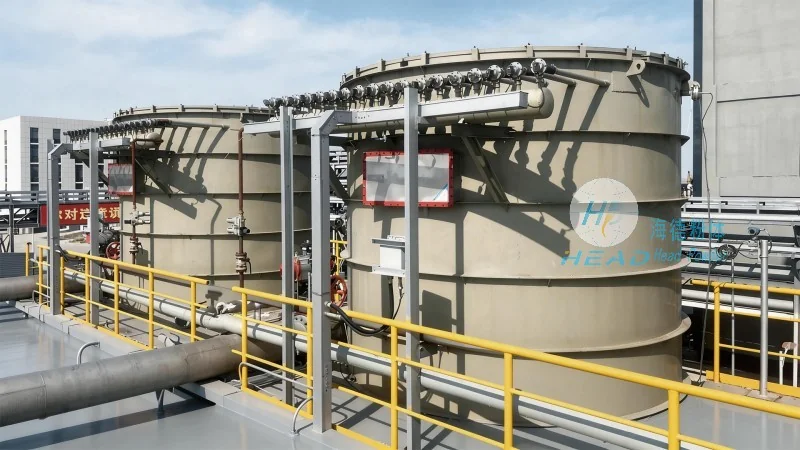
Bulk bag or flexible intermediate bulk containers (FIBCs) are another common method for transporting copper sulfate, especially for smaller to medium-sized shipments. These bags are made of durable materials, such as polyethylene, and are designed to hold large volumes of dry or semi-dry materials. The bulk bags are filled with copper sulfate and then sealed, ensuring that the product remains contained during transportation. They are typically transported using forklifts or specialized handling equipment, which allows for easy loading and unloading from trucks or containers. Bulk bag transportation is particularly suitable for applications where the copper sulfate is used in smaller quantities, such as in agricultural settings or for laboratory use. The use of bulk bags reduces the risk of spills and provides a more cost-effective solution compared to traditional tanker or container transport for smaller volumes.
About Shandong HeadPowder Engineering Co., Ltd.
Shandong HeadPowder Engineering Co., Ltd., commonly known as HeadPowder, is a leading provider of copper sulfate transportation solutions. With a focus on quality and safety, HeadPowder specializes in the design, manufacturing, and supply of equipment and services for the efficient and secure transport of copper sulfate. The company is headquartered in Shandong, China, and serves clients worldwide with a commitment to excellence in every aspect of the transportation process. HeadPowder's expertise in bulk handling and material transport ensures that copper sulfate is delivered to its destination in optimal condition, meeting the highest standards of quality and compliance.

 Shandong Headpowder Engineering Co., Ltd.
 156-6277-7102(Quản lý Trương)
  0531-83386006
  Thành phố Tế Nam, Tỉnh Sơn Đông, Trung Quốc
Điện thoại
WeChatTư vấn
Lên đầu