Với hơn 10 năm kinh nghiệm về vận chuyển khí nén, Headpowder Sơn Đông cung cấp hệ thống, thiết bị và quạt gió toàn chuỗi, đảm nhận các dự án kỹ thuật bột trọn gói trên toàn quốc.
When it comes to transporting sawdust and husk materials, selecting the right conveying method is crucial for efficiency and cost-effectiveness in industrial operations. As a leading provider in the field, Shandong HeadPowder Engineering Co., Ltd. offers a range of effective solutions tailored to meet diverse industrial needs. This article explores the common methods used for sawdust and husk conveying, highlighting their applications and advantages.
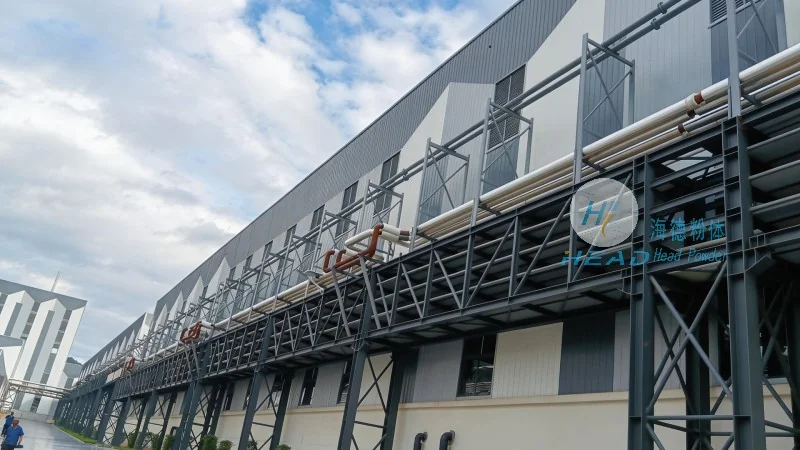
1. Screw Conveyors for Sawdust and Husk Transport
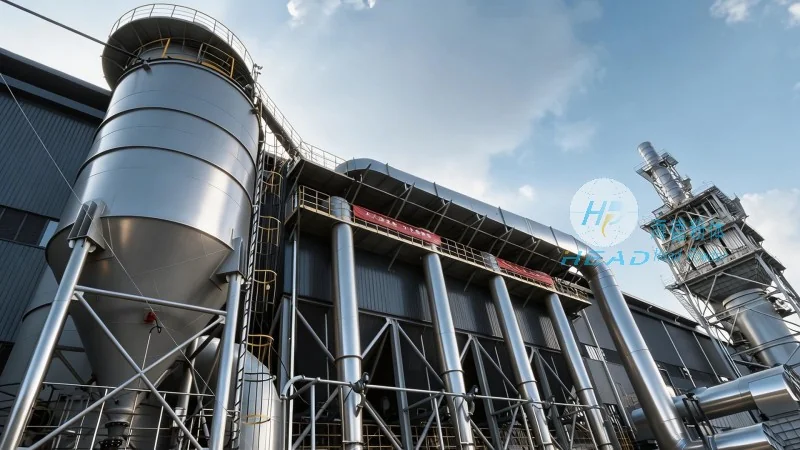
Screw conveyors, also known as auger conveyors, are widely used for the horizontal or slight inclined transport of sawdust and husk. These systems consist of a rotating helical screw inside a U-shaped or cylindrical housing. The screw rotates, pushing the material forward as it moves through the conveyor. For sawdust and husk, which are typically light and dusty, screw conveyors provide a reliable means of transport without the need for additional power sources like belts or buckets. The design allows for easy installation and maintenance, making it suitable for various industrial settings. The product keyword "screw conveyor for sawdust and husk" is often used to describe this equipment, as it efficiently handles the material's characteristics, ensuring smooth and continuous operation.
2. Pneumatic Conveying Systems
Pneumatic conveying systems use air or gas to transport sawdust and husk through a pipeline network. These systems are particularly effective for long-distance or vertical transport, as they can move materials over significant distances without the need for multiple transfer points. There are two main types of pneumatic conveyors: positive pressure and negative pressure. Positive pressure systems blow air into the pipeline, pushing the material forward, while negative pressure systems create a vacuum to draw the material into the line. For sawdust and husk, which are often fine and lightweight, positive pressure systems are commonly preferred due to their ability to handle high volumes and prevent material degradation. The product keyword "pneumatic conveying system for sawdust and husk" is relevant here, as it showcases the technology's efficiency in handling such materials, ensuring minimal loss and consistent flow.
3. Belt Conveyors in Sawdust and Husk Handling
Belt conveyors are another common method for transporting sawdust and husk, especially in applications requiring longer distances or heavy material loads. These systems consist of a continuous belt that moves over rollers or pulleys, carrying the material from one point to another. The belt can be made of various materials, such as rubber or PVC, to withstand the abrasive nature of sawdust and husk. Belt conveyors are particularly useful when dealing with larger quantities of material, as they can handle high throughput rates. The product keyword "belt conveyor for sawdust and husk" is often associated with this equipment, as it provides a robust solution for industrial material handling, ensuring durability and reliability in demanding environments.
4. Bucket Elevators for Vertical Sawdust and Husk Transport
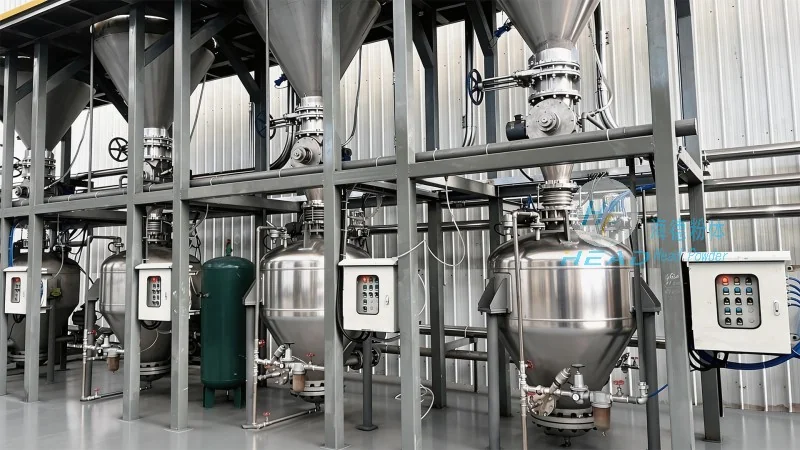
Bucket elevators are specifically designed for vertical transport of sawdust and husk, making them ideal for applications where the material needs to be lifted to a higher level. These systems consist of a vertical or inclined conveyor with buckets attached to a chain or belt. As the buckets move up the conveyor, they scoop up the material and discharge it at the top. Bucket elevators are highly efficient for vertical transport, as they can move large volumes of material with minimal space requirements. The product keyword "bucket elevator for sawdust and husk" is relevant here, as it highlights the technology's effectiveness in handling vertical transport needs, ensuring consistent and reliable material movement.
5. Hydraulic Conveying Solutions
Hydraulic conveying systems use water or other fluids to transport sawdust and husk through a pipeline. These systems are particularly effective for handling fine materials that might be difficult to move with other methods. The hydraulic pressure pushes the material through the pipeline, ensuring a smooth and continuous flow. Hydraulic conveyors are often used in applications where the material needs to be transported over long distances or through complex layouts. The product keyword "hydraulic conveying system for sawdust and husk" is associated with this technology, as it demonstrates the ability to handle challenging material characteristics, providing a reliable solution for industrial transport needs.

 Shandong Headpowder Engineering Co., Ltd.
 156-6277-7102(Quản lý Trương)
  0531-83386006
  Thành phố Tế Nam, Tỉnh Sơn Đông, Trung Quốc
Điện thoại
WeChatTư vấn
Lên đầu