Với hơn 10 năm kinh nghiệm về vận chuyển khí nén, Headpowder Sơn Đông cung cấp hệ thống, thiết bị và quạt gió toàn chuỗi, đảm nhận các dự án kỹ thuật bột trọn gói trên toàn quốc.
Calcium oxide, commonly known as quicklime, is a widely used industrial chemical with applications in construction, steel production, and chemical manufacturing. The efficient and safe transportation of calcium oxide is crucial for industrial operations, as it requires special handling due to its reactivity and dust generation. Various methods are employed to transport calcium oxide from production sites to end-users, each with its own advantages and considerations. This article explores the common methods used for calcium oxide transportation, highlighting the key factors that influence the choice of a suitable approach.
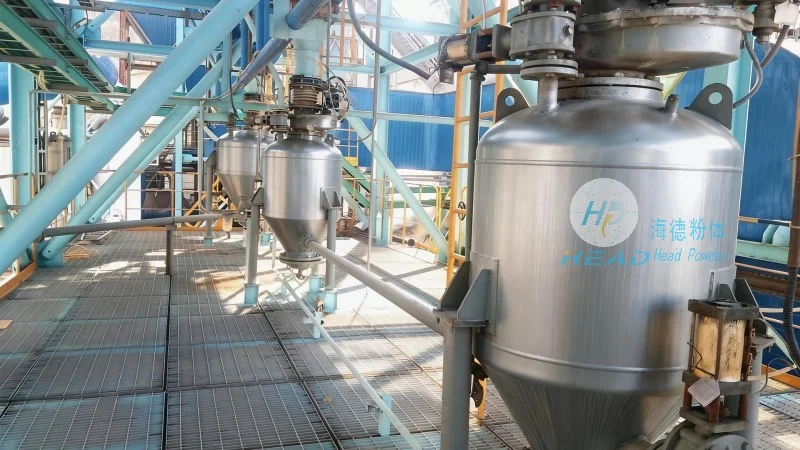
1. Pneumatic Conveying Systems
Pneumatic conveying is a popular method for transporting calcium oxide, especially in applications where dust control and flexibility are essential. This system uses air pressure to move the material through a pipeline. There are two main types of pneumatic conveying: pressure and vacuum systems. Pressure systems use compressed air to push the material forward, while vacuum systems use a vacuum to pull the material into the pipeline. Pneumatic conveying is particularly effective for transporting calcium oxide in bulk quantities, as it can handle high volumes with minimal equipment. The system typically includes a hopper, a conveyor line, and a receiver, all connected by a network of pipes. The air flow rate and pressure are carefully controlled to ensure the material moves smoothly without causing blockages or excessive wear on the equipment. This method is widely used by companies like Shandong HeadPowder Engineering Co., Ltd. (headpowder) in China, where it is essential for delivering calcium oxide to various industrial clients.
2. Mechanical Conveying Equipment
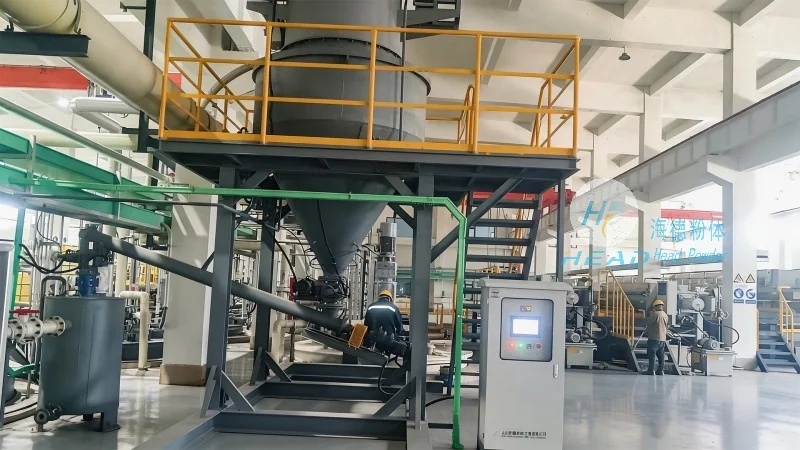
Mechanical conveying systems, such as belt conveyors and screw conveyors, are another common method for transporting calcium oxide. These systems use mechanical components to move the material along a path. Belt conveyors are often used for horizontal or slightly inclined transport, while screw conveyors are suitable for vertical or inclined transport. Mechanical conveyors are generally more cost-effective than pneumatic systems and are ideal for shorter distances or when the material needs to be handled at a controlled speed. They are also less prone to dust generation compared to pneumatic systems, making them a safer option in some environments. However, mechanical conveyors may require more maintenance and are less flexible in terms of route changes. Shandong HeadPowder Engineering Co., Ltd. utilizes mechanical conveyors for transporting calcium oxide in its production facilities, ensuring reliable and efficient movement of the material within the plant.
3. Hydraulic Conveying
Hydraulic conveying is a less common but effective method for transporting calcium oxide, especially in applications where long-distance transport is required. This system uses water or a water-based slurry to move the material through a pipeline. The calcium oxide is mixed with water to form a slurry, which is then pumped through the pipeline to the destination. Hydraulic conveying is particularly useful for transporting calcium oxide over long distances or in areas with challenging terrain. However, it requires additional equipment for slurry preparation and separation, and the system is more complex and expensive to maintain. This method is less commonly used by industrial companies compared to pneumatic or mechanical systems, but it offers a viable alternative for specific applications.
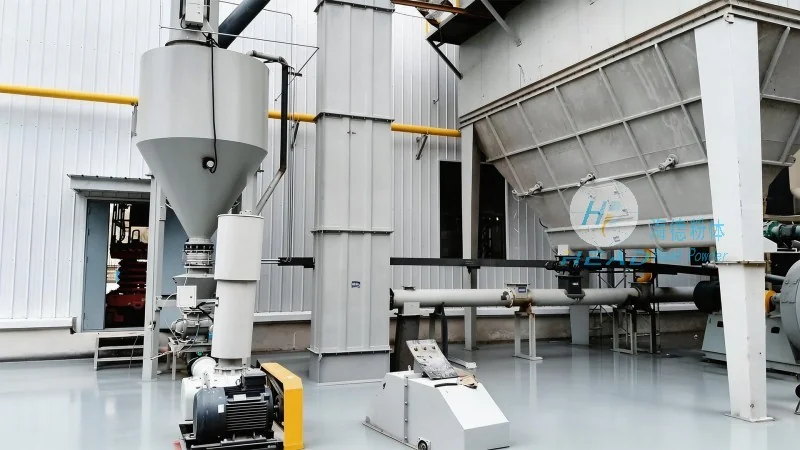
4. Truck and Rail Transportation
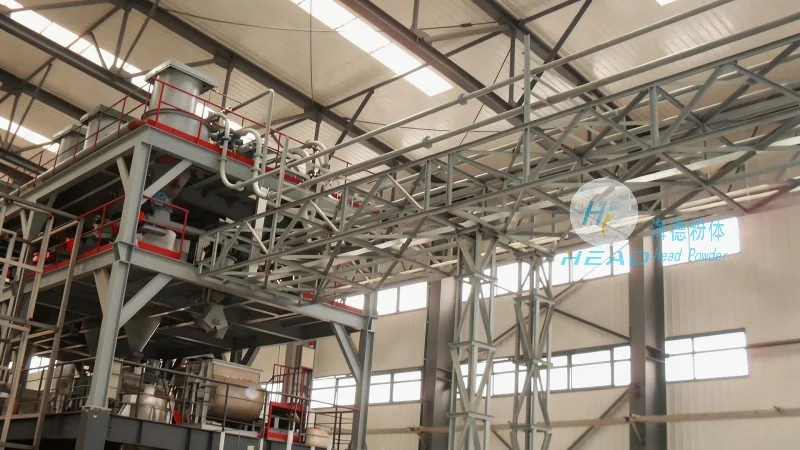
For bulk transportation of calcium oxide over longer distances, truck and rail transport are common methods. Trucks are used for local or regional transport, while rail is used for longer distances or when large quantities need to be moved. These methods are suitable for transporting calcium oxide in bulk containers or hopper cars. Truck and rail transport are generally more cost-effective for long-distance transport compared to other methods, but they require careful handling to prevent dust exposure and ensure compliance with safety regulations. Companies like Shandong HeadPowder Engineering Co., Ltd. often use truck and rail transport to deliver calcium oxide to clients across China, leveraging the efficiency of these modes of transport to meet customer demands.
5. Factors Influencing the Choice of Transportation Method
The choice of calcium oxide transportation method depends on several factors, including the distance to be covered, the volume of material to be transported, the required speed of delivery, and the environmental and safety considerations. Pneumatic conveying is often preferred for short to medium distances and high volumes, while mechanical conveyors are suitable for shorter distances and lower volumes. Hydraulic conveying is used for long-distance transport, and truck/rail is used for bulk transport over long distances. The cost of the system, maintenance requirements, and the need for dust control also play a role in the decision-making process. Companies like Shandong HeadPowder Engineering Co., Ltd. carefully evaluate these factors to select the most appropriate transportation method for their operations, ensuring efficient and safe delivery of calcium oxide to their clients.

 Shandong Headpowder Engineering Co., Ltd.
 156-6277-7102(Quản lý Trương)
  0531-83386006
  Thành phố Tế Nam, Tỉnh Sơn Đông, Trung Quốc
Điện thoại
WeChatTư vấn
Lên đầu