Với hơn 10 năm kinh nghiệm về vận chuyển khí nén, Headpowder Sơn Đông cung cấp hệ thống, thiết bị và quạt gió toàn chuỗi, đảm nhận các dự án kỹ thuật bột trọn gói trên toàn quốc.
When it comes to handling and transporting coffee beans and related products, selecting the right conveying method is crucial for efficiency, product integrity, and operational costs. Among the various options available, pneumatic conveying stands out as a highly effective solution, especially in the coffee processing industry. This article explores the different coffee conveying methods and highlights the key advantages and features of pneumatic conveying technology.
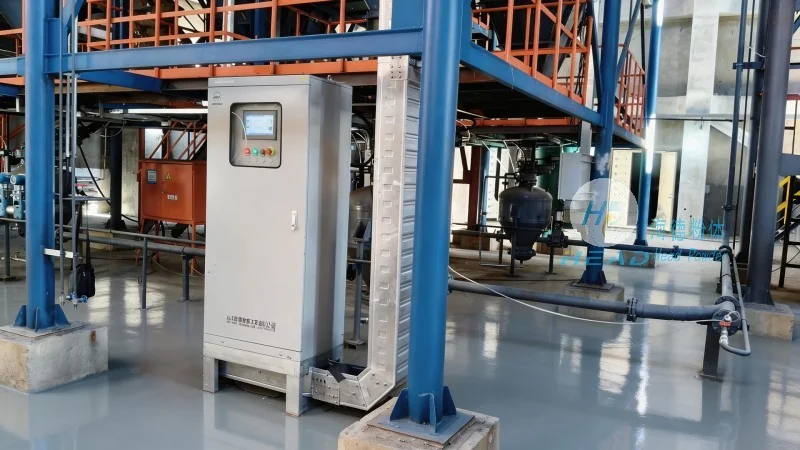
Understanding Coffee Conveying Methods
Before delving into the specifics of pneumatic conveying, it's essential to understand the primary methods used for coffee transportation. Traditional methods include mechanical conveyors such as belt conveyors, screw conveyors, and bucket elevators. These systems rely on mechanical force to move materials from one point to another. However, they often face challenges like product degradation, high maintenance requirements, and limited flexibility in handling different coffee types and sizes.
Pneumatic Conveying: A Modern Solution for Coffee Handling
Pneumatic conveying, also known as air conveying, uses a combination of air and pressure to transport bulk materials like coffee beans, grounds, and other coffee-related products. This method offers several advantages over traditional mechanical systems. For instance, it provides a clean and hygienic environment, which is critical for maintaining the quality and safety of coffee products. Additionally, pneumatic conveying systems can handle a wide range of coffee types, from whole beans to ground coffee, without causing damage or contamination.
Key Advantages of Pneumatic Conveying for Coffee
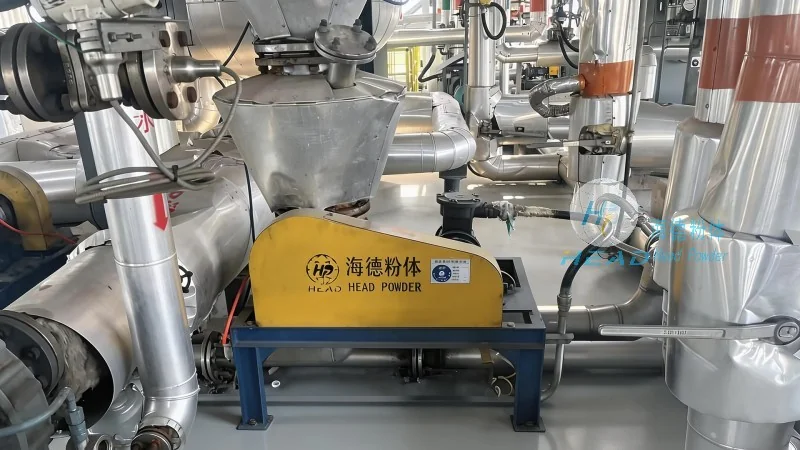
One of the most significant advantages of pneumatic conveying in the coffee industry is its ability to maintain product integrity. Unlike mechanical conveyors that may cause friction or impact, pneumatic systems use air to gently move materials, reducing the risk of bruising, cracking, or other forms of damage. This is particularly important for delicate coffee beans, which can lose their quality if subjected to rough handling. Moreover, pneumatic conveying systems are highly flexible and can be easily adapted to different production processes and layouts. They can transport coffee from storage silos to processing units, from grinding stations to packaging lines, and even between different facilities with minimal modifications.
Efficiency and Cost-Effectiveness in Coffee Processing
Efficiency is another critical factor when choosing a conveying method for coffee production. Pneumatic conveying systems are known for their high throughput rates, allowing for rapid and continuous movement of coffee products. This helps in streamlining production processes and reducing downtime. Furthermore, these systems are energy-efficient compared to some mechanical alternatives, as they use compressed air that can be recycled and reused within the system. Over time, this leads to lower operational costs and increased profitability for coffee processing businesses.
Hygiene and Sanitation in Pneumatic Conveying Systems
Hygiene and sanitation are paramount in the food industry, and coffee processing is no exception. Pneumatic conveying systems are designed with materials that are easy to clean and maintain, such as stainless steel and food-grade plastics. This makes them suitable for handling food products like coffee, as they can be easily sanitized to prevent cross-contamination. Additionally, the enclosed nature of pneumatic systems prevents dust and other particles from escaping into the environment, ensuring a clean and safe working environment for employees. This is especially important in facilities that handle large quantities of coffee, where dust can be a significant health and safety concern.
Customization and Scalability of Pneumatic Conveying Solutions
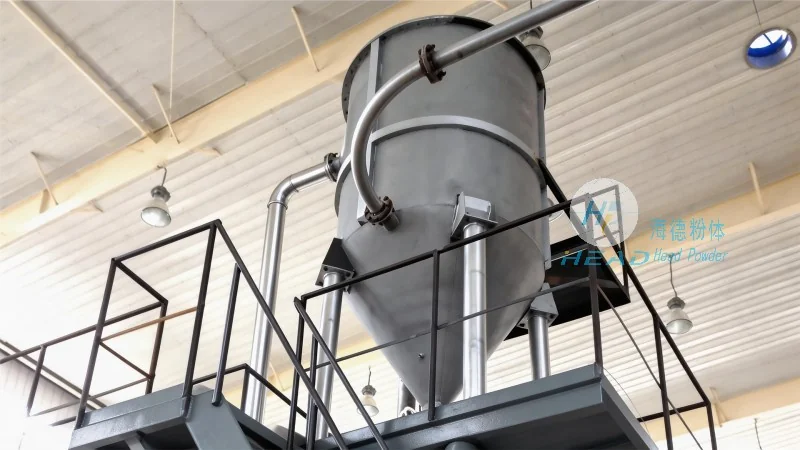
Every coffee processing facility has unique requirements, and pneumatic conveying systems can be customized to meet these needs. Companies like Shandong HeadPowder Engineering Co., Ltd., based in China, specialize in designing and manufacturing tailored pneumatic conveying solutions for the coffee industry. These systems can be scaled to accommodate small-scale operations as well as large, industrial facilities. Whether a coffee roaster needs a system to transport beans from a hopper to a roaster or a coffee manufacturer requires a complex network to move ground coffee from grinding to packaging, customized pneumatic solutions can be developed to meet specific production goals.
Conclusion: Choosing the Right Conveying Method for Coffee
In conclusion, when selecting a coffee conveying method, it's important to consider factors such as product quality, operational efficiency, and cost-effectiveness. Pneumatic conveying offers a superior solution compared to traditional mechanical systems, providing a clean, efficient, and flexible way to handle coffee products. By leveraging the advantages of pneumatic technology, coffee processing businesses can enhance their operations, maintain product integrity, and improve overall profitability. For those seeking reliable and customized pneumatic conveying solutions, companies like Shandong HeadPowder Engineering Co., Ltd. provide expert guidance and high-quality equipment to meet the specific needs of the coffee industry.

 Shandong Headpowder Engineering Co., Ltd.
 156-6277-7102(Quản lý Trương)
  0531-83386006
  Thành phố Tế Nam, Tỉnh Sơn Đông, Trung Quốc
Điện thoại
WeChatTư vấn
Lên đầu