Với hơn 10 năm kinh nghiệm về vận chuyển khí nén, Headpowder Sơn Đông cung cấp hệ thống, thiết bị và quạt gió toàn chuỗi, đảm nhận các dự án kỹ thuật bột trọn gói trên toàn quốc.
When it comes to transporting aggregates such as sand and gravel, selecting the right conveying method is crucial for efficiency, cost-effectiveness, and operational safety. Various technologies are available, each with its own set of advantages and limitations. This article explores the different types of aggregate conveying methods, with a particular focus on the benefits and characteristics of pneumatic conveying systems, as presented by Shandong HeadPowder Engineering Co., Ltd., a leading provider of material handling solutions.
Understanding Aggregate Conveying Methods
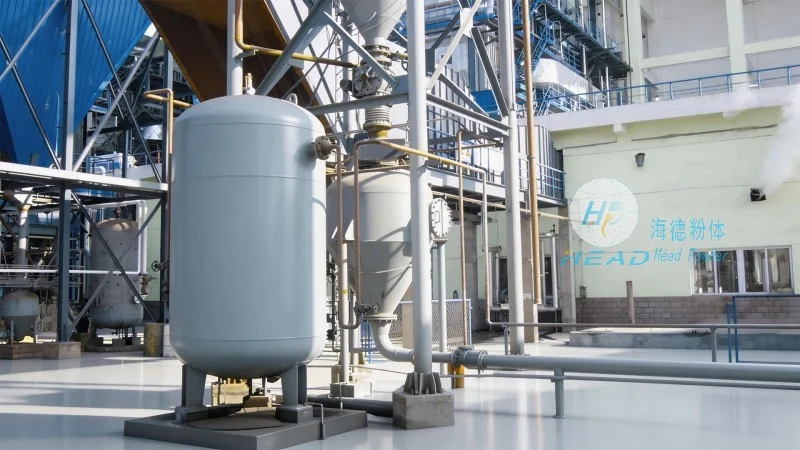
Aggregate conveying involves the movement of bulk materials like sand, gravel, and crushed stone from one location to another. The primary goal is to achieve this transfer efficiently while minimizing downtime, maintenance costs, and environmental impact. Several methods are commonly employed in the industry, including belt conveyors, screw conveyors, bucket elevators, and pneumatic conveying systems.
Belt Conveyors: A Traditional Choice for Aggregate Transport
Belt conveyors are one of the most widely used methods for transporting aggregates. They consist of a continuous belt that moves over rollers or pulleys, carrying the material from the source to the destination. This method is particularly effective for long-distance horizontal or slightly inclined transport. Belt conveyors are known for their high capacity, reliability, and ability to handle a wide range of material sizes. However, they have limitations when it comes to vertical transport or when the material needs to be conveyed over obstacles. Additionally, they require regular maintenance to ensure the belt remains in good condition and to prevent material spillage.
Screw Conveyors: Ideal for Horizontal and Low-Inclination Transport
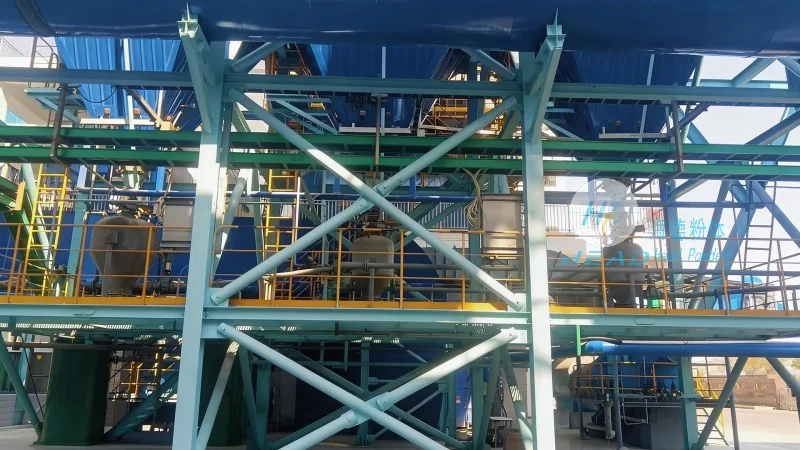
Screw conveyors, also known as auger conveyors, use a rotating screw to move materials along a trough. They are commonly used for horizontal or low-inclination transport of bulk materials. Screw conveyors are suitable for transporting fine or granular materials and can be easily integrated into existing systems. Their design allows for compact installations and minimal space requirements. However, they are not ideal for vertical lifting or for materials that are too abrasive, as the screw and trough can wear out quickly. Moreover, they may not be as efficient for high-capacity transport compared to other methods.
Bucket Elevators: Efficient Vertical Transport Solutions
Bucket elevators are specialized equipment designed for vertical or steeply inclined transport of bulk materials. They consist of a continuous chain with buckets attached, which move the material up or down through a vertical or inclined casing. This method is highly effective for vertical lifting and can handle large volumes of material with minimal space requirements. Bucket elevators are commonly used in industries where vertical transport is necessary, such as in mining and construction. They are known for their high efficiency and ability to handle abrasive materials. However, they require careful maintenance to ensure the buckets and chain remain in good condition and to prevent material blockages.
Pneumatic Conveying: The Advanced Solution for Aggregate Transport
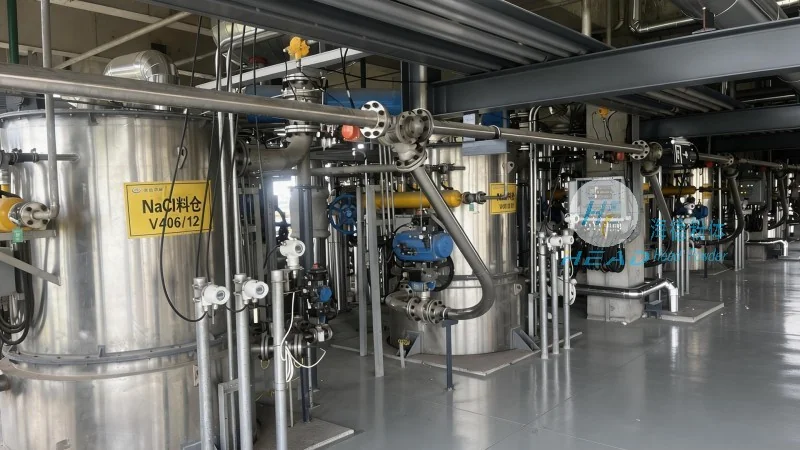
Pneumatic conveying, also known as air conveying, is a modern and efficient method for transporting aggregates. It involves the use of compressed air to move materials through a pipeline system. The material is suspended in the air stream and transported from the source to the destination. This method offers several advantages over traditional systems, including high efficiency, low maintenance, and the ability to handle a wide range of material sizes and types. Pneumatic conveying systems can be designed for both horizontal and vertical transport, making them versatile for various applications. They are particularly suitable for transporting fine or dusty materials, as the air stream helps to keep the material suspended and prevents clogging. Additionally, pneumatic conveying systems can be integrated with other equipment, such as silos and storage tanks, to create a seamless material handling process.
Advantages of Pneumatic Conveying for Aggregates
There are several key advantages of using pneumatic conveying systems for aggregate transport. First, they offer high efficiency and capacity, allowing for the movement of large volumes of material in a short amount of time. This reduces downtime and increases productivity. Second, pneumatic conveying systems require minimal maintenance compared to other methods, as there are no moving parts in direct contact with the material. This results in lower maintenance costs and longer equipment life. Third, they are highly flexible and can be easily integrated into existing systems or modified to meet changing needs. Fourth, pneumatic conveying systems are environmentally friendly, as they do not produce dust or emissions during operation. This makes them suitable for applications where environmental regulations are a concern.
Key Features of Pneumatic Conveying Systems
Pneumatic conveying systems for aggregates typically include several key components. These include a blower or compressor to generate the air pressure, a hopper or feeder to supply the material, a pipeline system to transport the material, and a receiver or silo to collect the material at the destination. The system can be designed as a positive pressure system, where the air is blown into the pipeline, or a negative pressure system, where the air is drawn out of the pipeline. The choice between these systems depends on the specific application and the distance and height of the transport. Additionally, some systems may include filters or cyclones to separate the material from the air stream, ensuring that the material is delivered in a clean and dry state.
Applications of Pneumatic Conveying in Aggregate Handling
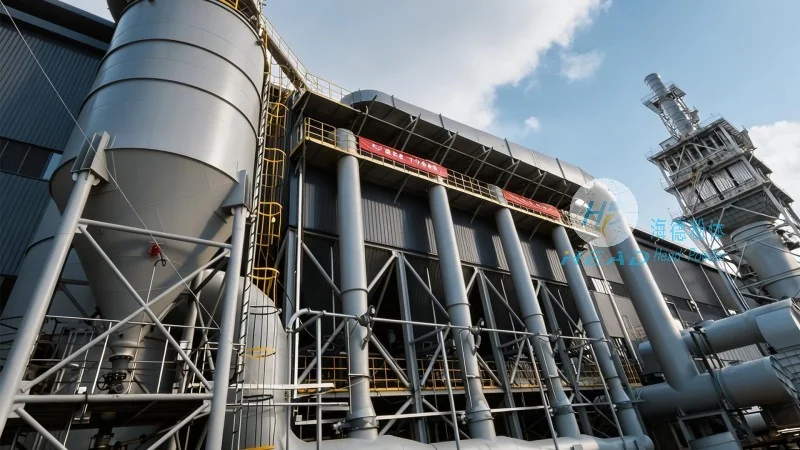
Pneumatic conveying systems are widely used in various applications involving aggregate handling. In the construction industry, they are used to transport sand, gravel, and crushed stone from storage silos to mixing plants or construction sites. In the mining industry, they are used to transport ore and other materials from mines to processing facilities. In the chemical industry, they are used to transport raw materials and finished products. Pneumatic conveying systems are also used in the food and pharmaceutical industries, where they are required to handle materials that are sensitive to contamination or moisture. The versatility of pneumatic conveying systems makes them suitable for a wide range of applications, from small-scale operations to large industrial facilities.
Conclusion: Choosing the Right Conveying Method for Aggregates
When selecting a conveying method for aggregates, it is important to consider the specific requirements of the application, including the distance and height of the transport, the material properties, and the operational constraints. While traditional methods like belt conveyors and screw conveyors are effective for many applications, pneumatic conveying systems offer several advantages that make them a preferred choice for many industries. The high efficiency, low maintenance, and flexibility of pneumatic conveying systems make them a cost-effective and reliable solution for aggregate transport. As technology continues to advance, pneumatic conveying systems are likely to become even more efficient and versatile, further enhancing their role in the aggregate handling industry.

 Shandong Headpowder Engineering Co., Ltd.
 156-6277-7102(Quản lý Trương)
  0531-83386006
  Thành phố Tế Nam, Tỉnh Sơn Đông, Trung Quốc
Điện thoại
WeChatTư vấn
Lên đầu