Với hơn 10 năm kinh nghiệm về vận chuyển khí nén, Headpowder Sơn Đông cung cấp hệ thống, thiết bị và quạt gió toàn chuỗi, đảm nhận các dự án kỹ thuật bột trọn gói trên toàn quốc.
For industrial operations that handle mineral powders, selecting the right conveying method is crucial for efficiency, safety, and cost-effectiveness. The choice of method depends on factors such as the type of powder, particle size, moisture content, and the distance to be conveyed. This article explores several common methods used by Shandong HeadPowder Engineering Co., Ltd. to transport mineral powders, highlighting their applications and key features.
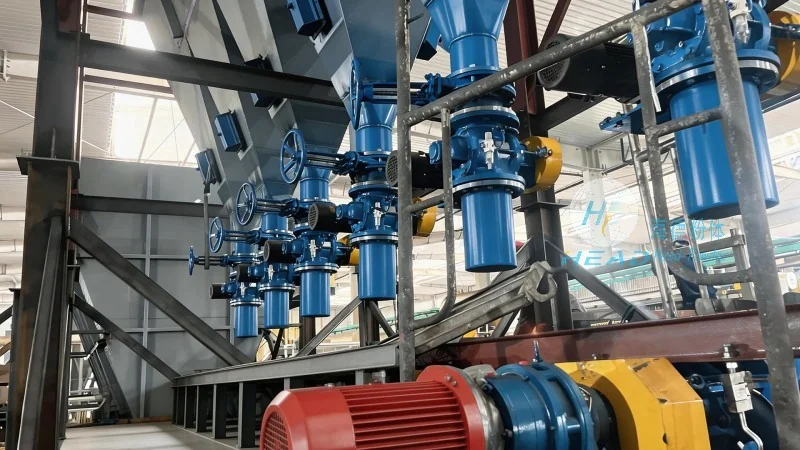
1. Pneumatic Conveying Systems
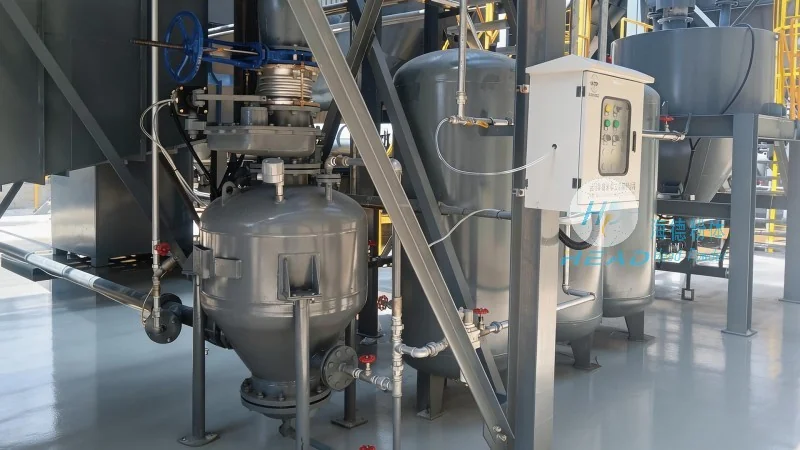
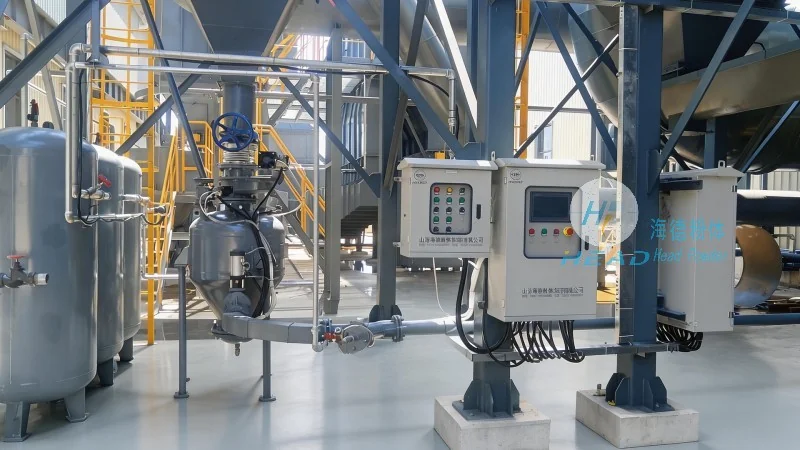
Pneumatic conveying, also known as air-powered conveying, is a widely used method for transporting dry mineral powders. In this system, air is used as the medium to move the powder through a pipeline. There are two main types: pressure and vacuum systems. Pressure systems use compressed air to push the powder, while vacuum systems use suction to draw the material. HeadPowder specializes in designing and manufacturing customized pneumatic conveying solutions that can handle a wide range of powder characteristics, from fine to coarse particles. The advantages of pneumatic conveying include high capacity, ability to transport materials over long distances, and minimal product degradation due to reduced contact with equipment surfaces.
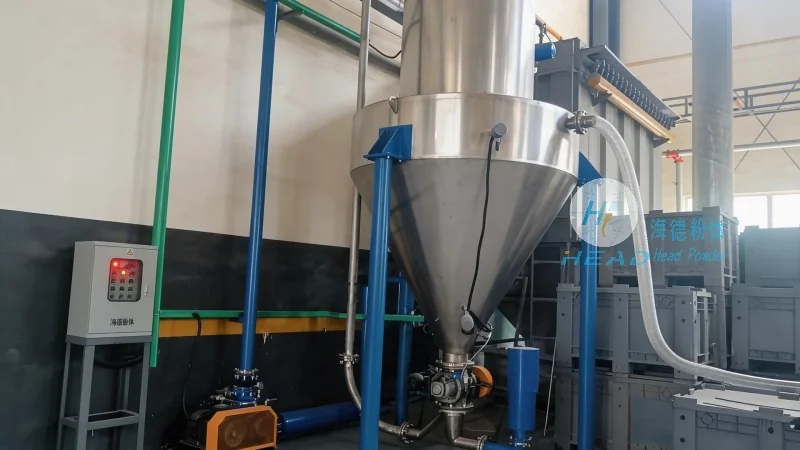
2. Screw Conveyors
Screw conveyors, or auger conveyors, are another common method for mineral powder transport. These systems use a rotating screw (auger) to move material along a trough or tube. Screw conveyors are particularly effective for handling bulk materials with moderate to high bulk density and are suitable for horizontal or slight incline applications. HeadPowder's screw conveyors are engineered to handle abrasive powders and can be customized with different screw designs (e.g., ribbon, flighted) to optimize material flow. They are often used in industries such as mining, cement, and chemical processing for feeding, dosing, and transporting powders to processing equipment.
3. Belt Conveyors
Belt conveyors are a classic and reliable method for transporting mineral powders over medium to long distances. These systems consist of a continuous belt that moves over rollers or pulleys, carrying the material from one point to another. Belt conveyors are ideal for handling large volumes of material and can be adapted for both horizontal and inclined transport. HeadPowder's belt conveyor solutions are designed with durable materials and advanced controls to ensure smooth operation and minimal downtime. They are commonly used in mining operations for transporting ore or processed powders from processing plants to storage or loading areas.
4. Bucket Elevators
Bucket elevators are vertical or inclined conveyors that use a continuous chain with attached buckets to lift and transport mineral powders. This method is highly efficient for vertical transport and is often used in combination with other conveying systems to move materials between different levels of a facility. HeadPowder's bucket elevators are built with robust construction to handle heavy loads and abrasive materials, ensuring long service life. They are particularly useful in applications where space is limited and vertical transport is required, such as in cement plants or flour mills.
5. Hydraulic Conveying
Hydraulic conveying, or slurry transport, involves moving mineral powders mixed with water through pipelines under pressure. This method is suitable for wet or sticky powders and is commonly used in mining operations to transport ore slurry from mines to processing plants. HeadPowder provides hydraulic conveying systems that can handle high concentrations of solids and are designed to minimize wear and corrosion. The system typically includes pumps, pipelines, and control valves to regulate the flow and pressure of the slurry.

 Shandong Headpowder Engineering Co., Ltd.
 156-6277-7102(Quản lý Trương)
  0531-83386006
  Thành phố Tế Nam, Tỉnh Sơn Đông, Trung Quốc
Điện thoại
WeChatTư vấn
Lên đầu